
Security Alert For Tourists Using Luggage Tags This Summer
The Right Way to Label Your Suitcase
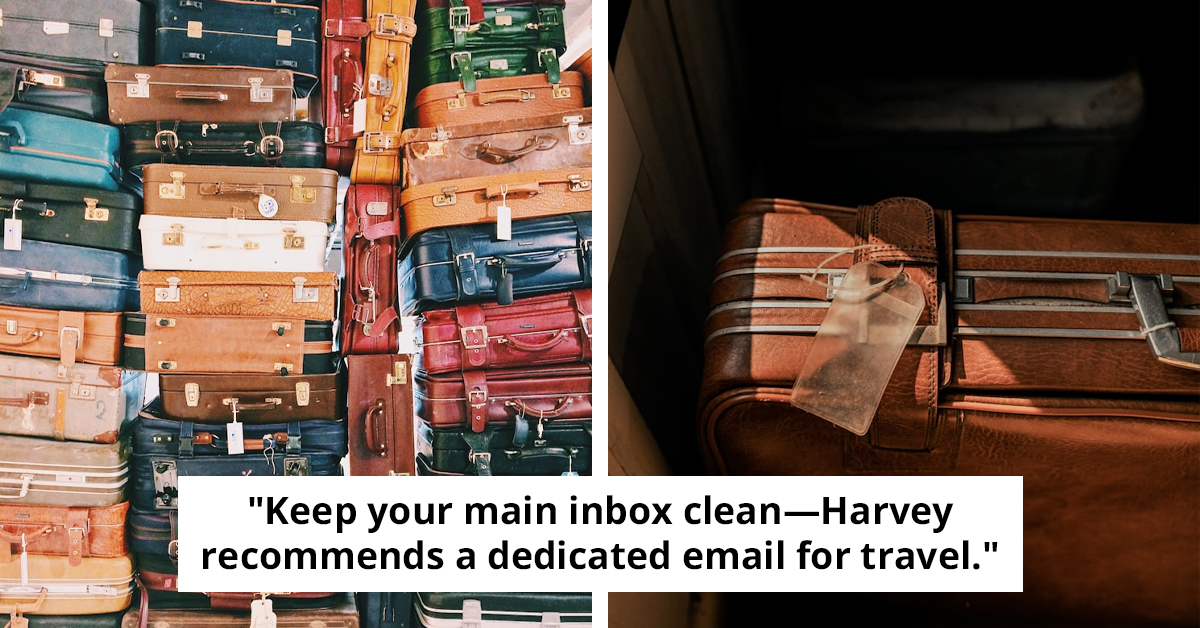
Security alerts hit different when you are packing for summer travel and your suitcase is already sitting by the door. One tiny luggage tag can be the difference between a quick reunion and a stressful scramble at baggage claim.
In this case, the complication is simple but sneaky: travelers want their bags returned fast, but the wrong details can turn a “please return my property” note into a privacy leak. It is the kind of situation that gets messy fast when someone spots your tag, knows you are away, and has enough info to cause real trouble.
Here is the summer luggage-tag rule that keeps your bag recoverable without handing out your personal life.
Label bags to aid recovery without risking privacy.
Mike Harvey, Managing Director at 1st Move International, says there’s a right way to label your luggage, and it comes down to balance: enough information to help someone return your bag, but not so much that it puts your privacy at risk. So, what should you include?
Start with your full name—the one on your passport. This helps airport staff confirm your identity and ensure your bag gets to you. Add a phone number, including your country code, so you can be reached from anywhere.
Include an email address as well. This provides another way to contact you, especially if your phone isn’t working or you’re in a different time zone. Harvey recommends using a separate email just for travel to keep your main inbox safe from spam or leaks.
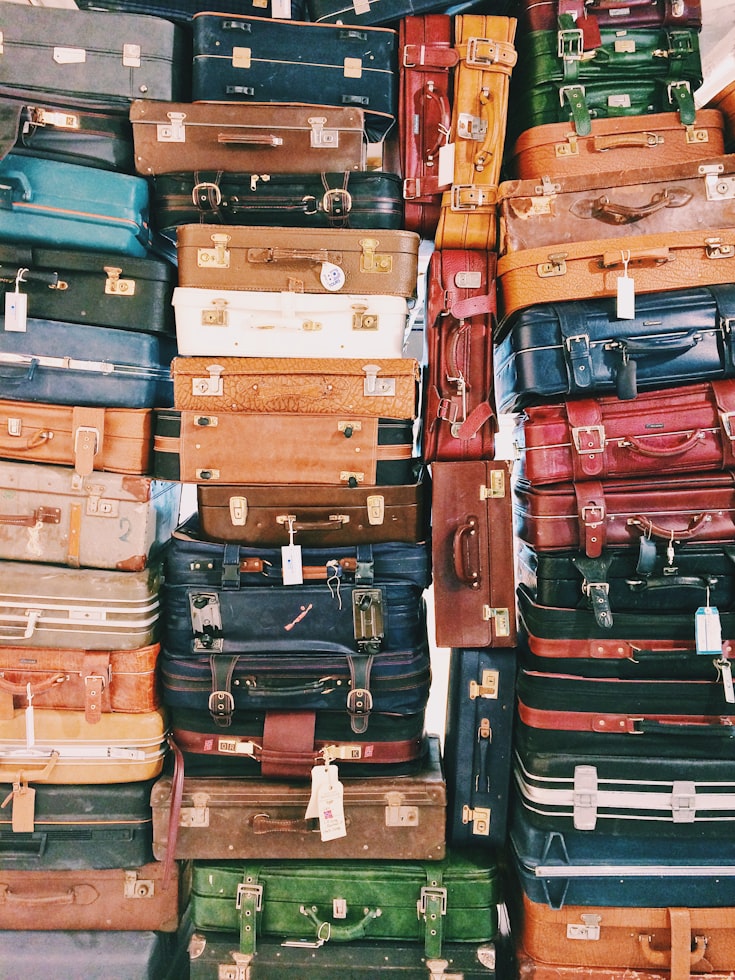 Unsplash
That is why the advice starts with what to put on the tag, not what to hide, beginning with your name, phone, and travel email.
But just as important is what you should avoid putting on your tag: Don’t list your home address. If someone sees it and knows you’re away, it could put your house at risk. Avoid mentioning any valuables inside the bag, as that only invites theft.
Leave out detailed travel plans, like your hotel or destination. While it might seem helpful, it tells people exactly where you’ll be and when.
And never include personal numbers like your passport, national ID, or travel insurance policy. These could be used to steal your identity or access your accounts.
After you add the basics, the next problem is what not to include, because a home address or a list of valuables basically screams “nobody is home.”
Travel safety expert David Jones recommends that travelers consider using smart luggage tags, which can offer enhanced security features like GPS tracking and tamper alerts. These tags allow you to monitor your luggage in real-time, reducing anxiety about lost bags. Jones emphasizes that traditional paper tags can easily be removed or altered, making them a weak link in your travel security.
He suggests investing in tags that include a QR code, linking to an online profile that can be updated with your contact information, ensuring your luggage can be returned swiftly if lost.
It’s hard not to think of Trudi Burgess confronting authorities after years of abuse.
Your luggage tag should list only your name, phone, and travel email - nothing personal.
In short, think of your luggage tag like a public post-it note; it should help someone return your bag if it’s lost, but not give away your life story.
If your current tag includes your full address, where you’re going, or anything too personal, it’s worth taking five minutes to make a new one. Just your name, phone, and a travel-specific email are all you need. Keep the rest to yourself.
 Unsplash
Then there is the “too helpful” trap, like writing your hotel or destination, which turns your itinerary into a public schedule.
It’s a small detail, but in a world where luggage tags can be photographed and bags occasionally go missing, a little caution now can save you a big headache later.
Before you zip up your suitcase and head to the airport this summer, take a moment to check your tag. It may seem harmless, but it can have a bigger impact than you realize.
Finally, if you are thinking about QR codes and smarter tags, remember the tag should still only carry your name, phone, and travel email, nothing that can be used for identity theft.
Luggage tags play a crucial role in identifying bags, particularly in the bustling environment of airports where the risk of misplacing luggage is high. This is especially true for families traveling with children, who may unintentionally leave their belongings behind during the chaos of travel. To mitigate this issue, travelers are encouraged to use distinctive identifiers such as family photos or vibrant designs on their luggage tags. These personalized touches not only make bags easier to spot but also help in creating a sense of ownership for children.
Moreover, teaching kids to keep track of their belongings can transform a potentially stressful situation into an engaging responsibility. Turning this practice into a fun game not only fosters accountability but also boosts their confidence, making the journey more enjoyable for everyone involved.
As summer travel heats up, the significance of proper luggage tagging cannot be overstated. In an age where lost luggage can derail plans, these small actions can have a tremendous impact. Furthermore, instilling the importance of luggage care in children not only prepares them for travel but also builds their sense of responsibility. In the hustle of navigating airports and managing tight schedules, these measures can help keep the focus on what truly matters—enjoying your well-deserved vacation without the nagging worry of misplaced bags. With thoughtful preparation, travelers can embrace their adventures with greater peace of mind.
Your luggage should be easy to return, not easy to exploit.
For more political drama, check out how Donald Trump reacted to Bill Clinton’s deposition demands.

Damjan