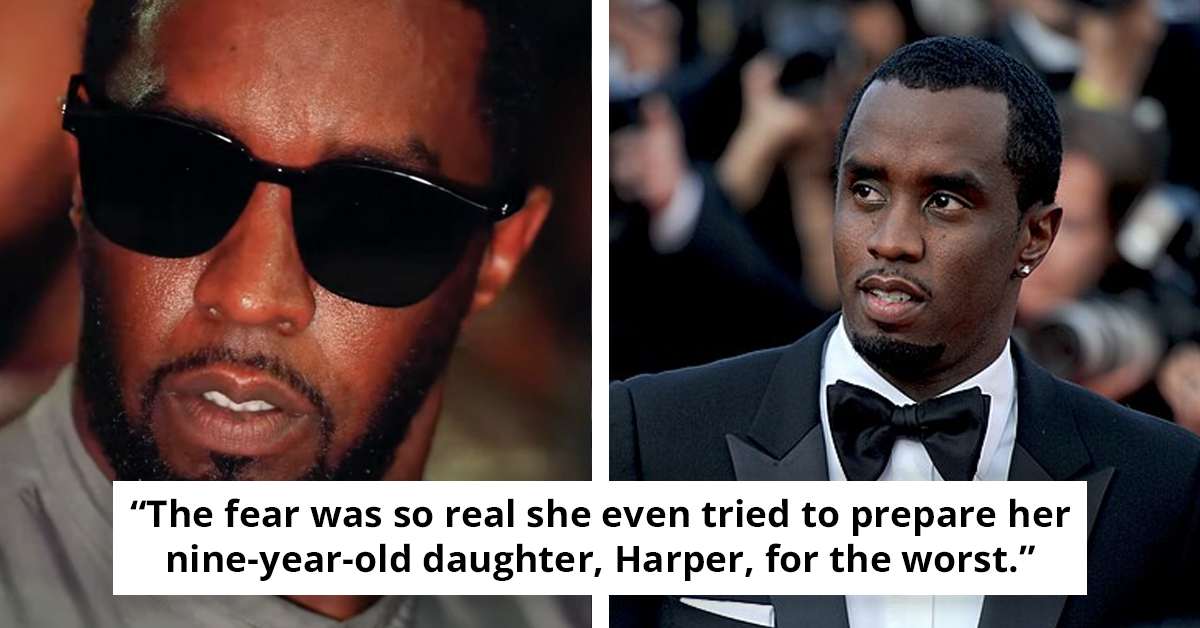
Public Reaction Across The Globe To Diddy Decision Reaffirms Backing For Women
Celebrity Reactions Show Deep Frustration
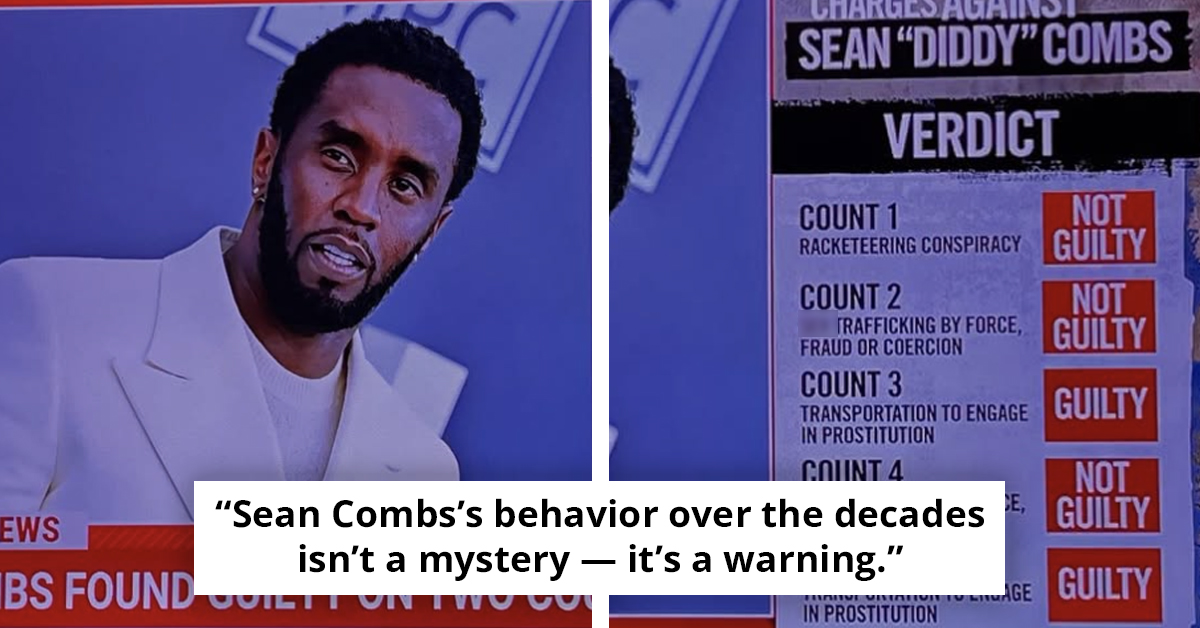
“Cassie, I believe you.” That line hit like a match in dry grass, and suddenly the Diddy verdict was not just headline news, it was a global test of whether people still believe survivors when the person accused has power.
Across the world, women know the pattern, one in three experience abuse from a partner, and the trial outcome felt like the system missed the point. Celebrities spoke up, too, Kesha backing Cassie with a message about strength, Evan Rachel Wood calling out the lack of consent in domestic violence, and Aubrey O’Day turning her live watching moment into a blunt warning that left viewers rattled. Even Rosie O’Donnell added her disbelief, framing the decision as a failure to understand fear, control, and survival.
And once the verdict landed, the anger was loud, personal, and impossible to ignore.
"Cassie, I believe you."
Kesha’s “Cassie, I believe you” post made it clear this wasn’t just a legal story, it was a survivor story for anyone who’s ever felt unheard.
Around the world, one in three women experiences abuse from a partner. That’s not a niche issue or a series of isolated incidents; it’s a pattern, one that keeps repeating itself, especially when those accused have money, fame, or influence.
After the verdict was read, reactions poured in from both celebrities and regular people who felt let down by the system. Singer Kesha, who has faced her own legal battles over allegations of abuse and mistreatment, shared a heartfelt message:
“Cassie, I believe you. I love you. Your strength is a beacon for every survivor.”
The public's reaction to the verdict in Sean “Diddy” Combs' trial illustrates a broader societal phenomenon rooted in moral outrage. This intense emotional response emerges when individuals perceive an event, such as the jury's decision to acquit Combs of serious charges, as fundamentally unjust. The intensity of this reaction reflects a collective yearning for accountability, particularly in cases involving powerful figures facing allegations of wrongdoing. The widespread discussions following the trial underscore a growing expectation that justice should prevail, especially for victims of abuse and exploitation.
"This decision got me angry"
When Aubrey O’Day showed herself watching the conclusion, saying she felt “physically ill,” the reaction shifted from outrage to dread.
Benny Blanco’s live TV foot reveal, after backlash over his “unpleasant” behavior, is a bold kind of damage control.
Evan Rachel Wood’s reminder, “There is no consent in a domestic violence relationship,” cut straight through the excuses people keep trying to use.
Aubrey O’Day, who gained fame on Diddy’s Making the Band reality show, posted an Instagram story showing herself watching the trial’s conclusion. She didn’t mince words, saying she felt “physically ill. It is a warning.”
Evan Rachel Wood, who has spoken openly about surviving abuse, used the moment to highlight a critical point about power dynamics.
“There is no consent in a domestic violence relationship. Period,”she wrote.
She went on to explain that when someone is afraid for their safety, compliance is not consent; it’s survival. Her words underscored a truth many people still struggle to understand.
Rosie O’Donnell also weighed in, sharing her anger and disbelief.
“I guess a jury just never wants to believe that a woman stays because of power and coercion,”she posted, summing up what many were thinking but hesitated to say out loud.
As of now, Cassie Ventura and others who testified have not made public statements about the verdict. Their silence speaks volumes, though—it hints at pain, exhaustion, or simply needing space to process what happened.
What this trial and its outcome show is a grim reality: even with powerful evidence and brave testimonies, justice for survivors is far from guaranteed. A lot of work needs to be done if we want systems that truly protect victims and hold abusers accountable, no matter who they are.
Rosie O’Donnell’s disbelief, tied to the idea that a jury “never wants to believe” a woman stays because of power, made the debate feel even more personal.
The media's portrayal of Sean "Diddy" Combs' trial has significantly influenced public perception, underscoring the complexities of opinion formation in high-stakes legal battles. The concept of the 'hostile media effect' resonates here, as individuals with strong beliefs regarding the allegations are likely interpreting the coverage through a lens that confirms their existing biases. This phenomenon can amplify feelings of outrage and contribute to an increasingly polarized public discourse. As the verdict reverberates across social media and news outlets, it is evident that how information is presented can either bridge divides or deepen them, reflecting broader societal tensions surrounding issues of power and gender.
The public's reaction to the verdict in Sean "Diddy" Combs' trial reveals a complex tapestry of emotional and psychological factors at play. The intense moral outrage expressed by many highlights a broader societal frustration with perceived injustices in high-profile cases. This reaction is not merely a spontaneous outcry but reflects deep-rooted psychological principles that shape how individuals interpret fairness and accountability. The influence of benevolent sexism cannot be overlooked either, as it intertwines with public sentiment, complicating perceptions of the accused and the accusers.
Moreover, the role of media narratives in framing the trial has been pivotal. This highlights the need for critical engagement with the narratives presented in the media, as they can either foster community solidarity or exacerbate divisions within public discourse. Ultimately, the reactions to Diddy's trial underscore the importance of recognizing these underlying psychological dynamics as society grapples with issues of power, gender, and justice.
The verdict didn’t just change one case, it reignited a fight over whether survivors deserve to be believed.
Want a weird fix next, see why a pilot swears soda cleans airplane windshields.

Damjan