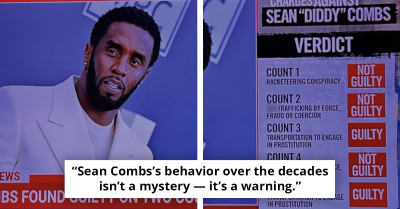
Diddy Trial Jury Reaches Verdict On Most Charges But Remains Split On Key Count
Unresolved Charge Could Mean Retrial for Diddy
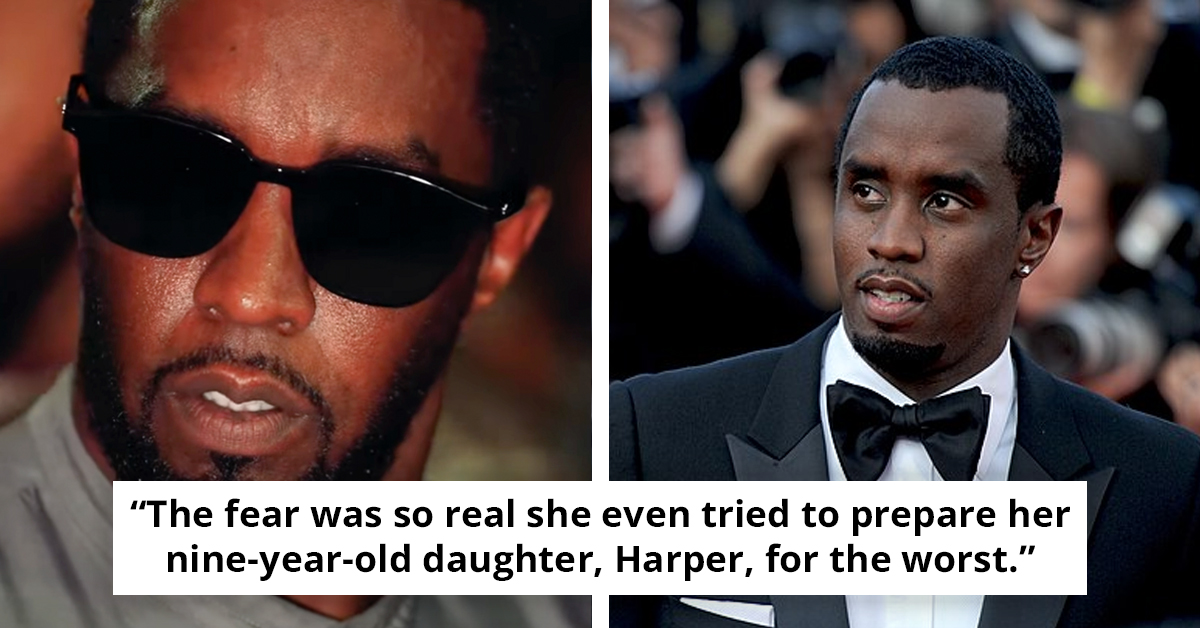
Jurors in the Sean “Diddy” Combs trial just handed down a partial verdict, and it still feels like the case is stuck on one brutal hinge point. They agreed on some counts, but when it came to the big one, they couldn’t get everyone on the same page.
Here’s the messy part, the jury note says they “have not reached a verdict on count 1” because they have “unpersuadable jurors on both sides.” Count 1 is the RICO racketeering charge, prosecutors’ central theory that Combs ran a criminal enterprise for nearly two decades, with the potential for a life sentence if convicted.
Now the courtroom is waiting to see whether the jurors can ever crack the racketeering count, or if this split becomes a full-blown retrial.
Jurors in the Sean 'Diddy' Combs trial delivered a partial verdict on Tuesday
In criminal trials like this one, a jury’s verdict on any charge must be unanimous; all 12 jurors must agree either on guilt or innocence. If they can’t do that, the judge can declare a hung jury on that charge.
The note the jurors sent made it clear just how divided they are:
“We have not reached a verdict on count 1 because we have unpersuadable jurors on both sides.”
The first charge is the racketeering count under the Racketeer Influenced and Corrupt Organizations Act, better known as RICO. This law was enacted in 1970 to help prosecutors combat organized crime by holding leaders accountable for the crimes committed by their associates.
 commons.wikimedia
Jurors remain deadlocked on the racketeering charge.
Racketeering is a broad term for criminal acts committed as part of an organized effort, and the RICO Act defines “racketeering activity” to include crimes like bribery, arson, extortion, kidnapping, and even murder.
In this case, prosecutors allege that Combs ran a criminal enterprise for nearly two decades, which is why the racketeering charge carries such weight; it comes with a potential maximum sentence of life in prison if convicted.
To prove racketeering under RICO, prosecutors must show that members of the alleged criminal group committed or planned at least two crimes connected to the enterprise within 10 years.
This makes the charge complex and often difficult for juries to agree on, especially when it involves famous figures and serious accusations spanning many years.
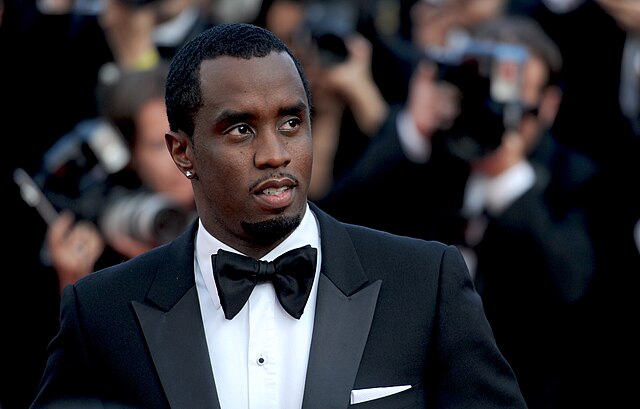 commons.wikimedia
The jury’s verdict on four charges is pending, and if they can’t decide on racketeering, a partial verdict could lead to a retrial.
So what happens now? The jury still hasn’t announced whether they found Combs guilty or not guilty on the other four charges on which they’ve reached a verdict. That information will likely come soon, but for now, the court is focused on whether the jurors can decide on the racketeering charge.
If they can’t, the judge could accept a partial verdict, meaning they’ll announce decisions on the counts they agreed upon and leave the unresolved charge open for a possible retrial. In that case, prosecutors would have to decide if they want to try again to secure a conviction on the racketeering charge.
 commons.wikimedia
That jury note, with the words “unpersuadable jurors,” is the first real sign that the racketeering count is where the room broke in half.
And because RICO requires prosecutors to connect at least two racketeering acts to the enterprise within a 10-year window, the math is not exactly straightforward.
The trial of Sean "Diddy" Combs presents a compelling example of how celebrity culture intertwines with public perception and emotional investment. The fascination surrounding Diddy is not merely due to his fame but also reflects the deep-seated parasocial relationships that fans develop with celebrities. These one-sided emotional connections can create a sense of familiarity and intimacy, shaping how the public interprets the proceedings. As the jury deliberates on key charges, the emotional stakes for those invested in Diddy's narrative are palpable. This phenomenon underscores why high-profile trials garner extensive media coverage and public discourse, as individuals feel personally connected to the figures involved, leading to heightened emotional responses and opinions regarding the outcome.
It’s a similar vibe to a UK officer dismissed for deceptive tactics while claiming to work remotely.
Meanwhile, the judge is stuck in limbo since the verdict on the other four charges is still pending, so the whole case keeps hovering on count 1.
As the jury deliberates, uncertainty about the outcome can heighten our engagement. This is known as the suspense paradox, where being uncertain about an event's outcome increases our emotional involvement and subsequent satisfaction. This psychological principle might be playing a role in keeping the public glued to the trial proceedings.
Whether there will be a retrial could hinge on how the jury decides the other charges. If Combs is acquitted on those, prosecutors may push for a retrial on the racketeering count.
However, if he’s convicted on the other charges and faces a significant sentence, prosecutors might decide it’s not worth putting witnesses, especially his ex-partner Cassie Ventura, who has already shared deeply personal and traumatic testimony, through another public and difficult trial.
For now, attention remains on the jury as deliberations continue. Until a full verdict is delivered or the judge declares a hung jury on the unresolved charge, the outcome of this high-profile case is still uncertain.
If they cannot decide on racketeering, a partial verdict could trigger a retrial, meaning jurors might have to relitigate the very thing they cannot agree on.
The jury's split decision in Diddy's trial underscores the intricate nature of group decision-making in high-stakes environments.
The trial of Sean “Diddy” Combs not only held the public's attention due to its celebrity status but also highlighted the intricate psychological dynamics at play within the courtroom. The jury's divided stance on key charges reveals the complexity of group decision-making, where individual biases and perceptions can influence collective outcomes. This case exemplifies how parasocial relationships, where the public feels a personal connection to celebrities, can heighten interest and emotional investment in legal proceedings. Additionally, the suspense paradox comes into play, as the anticipation and drama surrounding such a high-profile trial can amplify the stakes for jurors and onlookers alike. These psychological principles underscore that the legal process is not just about facts and evidence, but also deeply intertwined with human emotions and perceptions.
The verdict is out there, but count 1 is still holding the whole story hostage.
Before you copy anyone’s routine, read how experts say weight-loss injections can derail sleep.

Damjan