Supreme Court Decision Boosts Trump’s Authority
A Supreme Court Ruling That Changes the Game
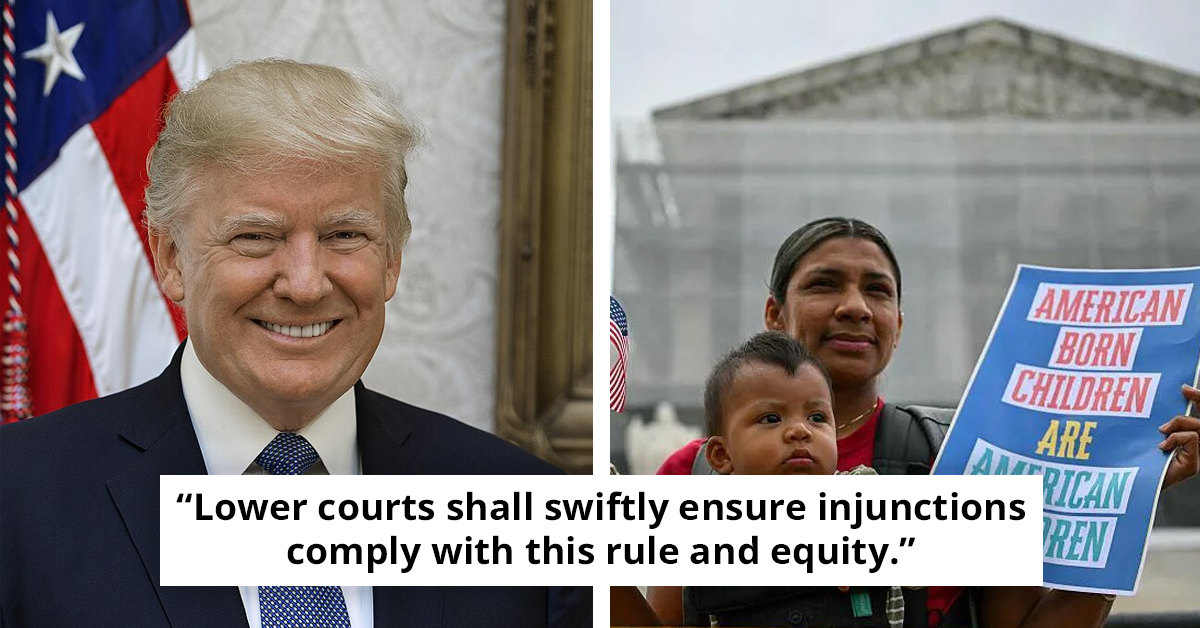
Trump is calling the Supreme Court’s latest move “monumental,” and for once, he has a point. The ruling doesn’t just touch birthright citizenship, it also changes how fast lower courts can slam the brakes on presidential actions nationwide.
Justice Amy Coney Barrett, writing for the majority, left states a narrow opening to argue they face broader harm, like financial injuries and the administrative headaches tied to citizen-dependent benefits programs. But in the same breath, she kicked the bigger fight to lower courts to decide how wide any injunction should be.
And while Trump brands it a knockout against the “birthright citizenship hoax,” Pam Bondi is already pointing to October for the next round, which means this story is not over, it’s just changing courts.
Trump calls ruling "monumental" and thanks Supreme Court.
Justice Amy Coney Barrett, writing for the majority, acknowledged that states could still argue for a more comprehensive block of the executive order if they show broader harm.
“As the states see it, their harms—financial injuries and the administrative burdens from citizen-dependent benefits programs—cannot be remedied without a blanket ban on the enforcement of the Executive Order,” Barrett wrote.
She left it to lower courts to decide whether a narrower or broader injunction is warranted. Trump, meanwhile, was quick to frame the ruling as a major step in his immigration agenda.
He told reporters the decision struck a blow against what he called the “birthright citizenship hoax” and claimed it would stop people from “scamming our immigration process.”
Trump’s Attorney General Pam Bondi added that the Supreme Court will revisit the birthright citizenship question during its next session in October, suggesting this legal battle is far from over.
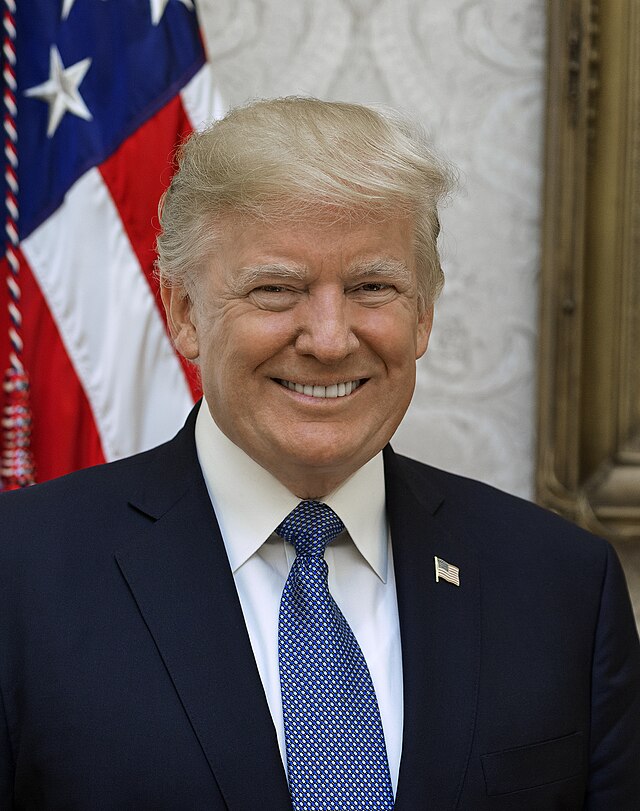 commons.wikimedia
Trump’s quick victory lap, calling the decision a blow to the “birthright citizenship hoax,” is exactly what made this ruling feel bigger than one policy.</p>
Beyond the specifics of birthright citizenship, the ruling has broader implications for presidential power in general. By restricting lower federal courts from immediately issuing nationwide injunctions, the Supreme Court has made it harder for a single judge to halt presidential policies nationwide.
This change affects presidents from both parties who have seen signature initiatives blocked by lower courts. Since Trump took office in 2017, he has encountered at least 25 instances where lower courts put the brakes on his executive orders.
Policies on foreign aid cuts, changes to diversity programs, limits on terminating federal employees, immigration reforms, and adjustments to election processes have all been held up by district court rulings.
Barrett’s choice to acknowledge states’ “broader harm” arguments, then punt the scope question to lower courts, is where the drama gets messy.</p>
Implications for Executive Power
Legal scholars note that this Supreme Court ruling fundamentally alters the power dynamics between the executive branch and the judiciary. Lawfare’s legal analysis emphasizes that the decision could embolden future presidents to issue executive orders with less fear of immediate judicial intervention. This shift may lead to an increase in controversial policies rolling out without thorough judicial review.
This echoes the warning from experts about weight loss injection users, where poor sleep can sabotage results.
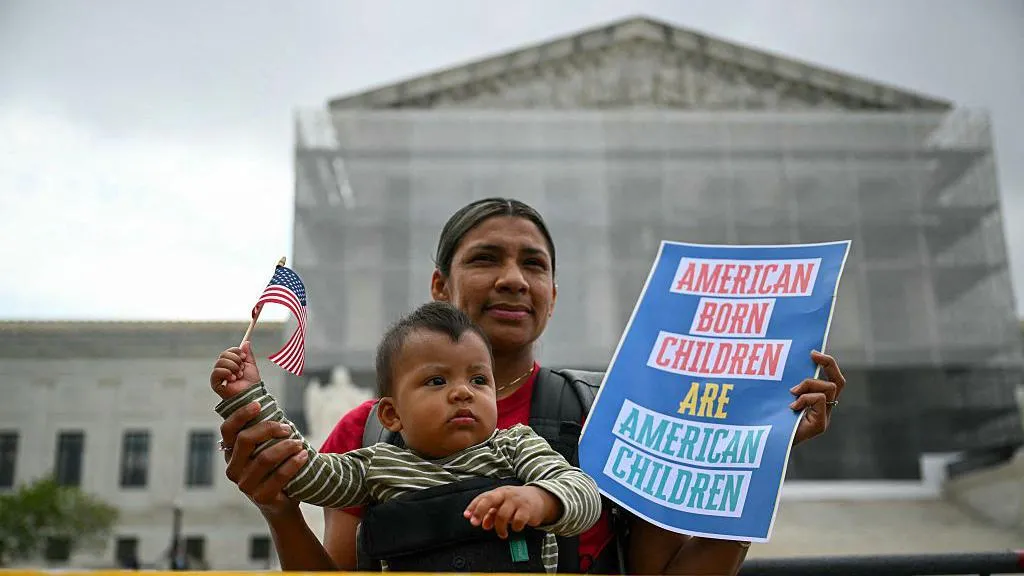
Olga Urbina and her son Ares protest outside the US Supreme Court against Trump’s birthright citizenship plan.
After Friday’s decision, Trump sounded eager to get moving on stalled plans.
“We can now properly file to proceed with policies that have been wrongly enjoined,” he told journalists, signaling that his administration will quickly push ahead on policies that have been tied up in court.
These injunction battles aren’t new. Under President Biden, conservative judges blocked efforts to expand environmental regulations, offer student loan forgiveness, and revise immigration rules. During President Obama’s time in office, courts stopped attempts to normalize immigration status for some undocumented immigrants and halted his plan to expand overtime pay to more white-collar workers.
While the Supreme Court’s decision limits the reach of immediate injunctions, it doesn’t remove the power of courts entirely. Lawsuits challenging presidential actions will still make their way through the legal system, and if actions are found illegal or unconstitutional, judges can strike them down.
The Supreme Court’s opinion reminded lower courts to handle these cases carefully:
“The lower courts shall move expeditiously to ensure that, with respect to each plaintiff, the injunctions comport with this rule and otherwise comply with principles of equity.”
 Getty Images
The knock-on effect hits every time a district court blocks one of Trump’s executive orders, from immigration reforms to election-process changes.</p>
In the meantime, presidents will have more breathing room to put policies into motion before facing sweeping legal blocks. That shift will affect not just Donald Trump, but any future occupant of the Oval Office, whether they’re a Republican or Democrat.
And with many divisive policies likely to come in the years ahead, the impact of this ruling will be felt well beyond this administration.
And with Pam Bondi saying the Supreme Court will revisit birthright citizenship in October, the timeline for another showdown is already on the calendar.</p>
The University of Southern California suggests that Congress should take a more active role in defining the boundaries of executive authority. This could prevent future administrations from overstepping their bounds.
Engaging in bipartisan discussions about the limits of executive orders is essential. By fostering dialogue, lawmakers can create a robust framework that preserves individual rights while allowing for necessary executive action in times of crisis.
The recent Supreme Court decision significantly enhances presidential authority, shifting the dynamics of power within the federal government.
Trump just gained room to move, but October is waiting to put the brakes back on.
Wondering if “Punch the monkey” really grieves, see what the animal specialist says about abandonment

Damjan