Louis Vuitton Faces Backlash Over $160 Lip Balm in Debut Beauty Collection
A bold first step into beauty
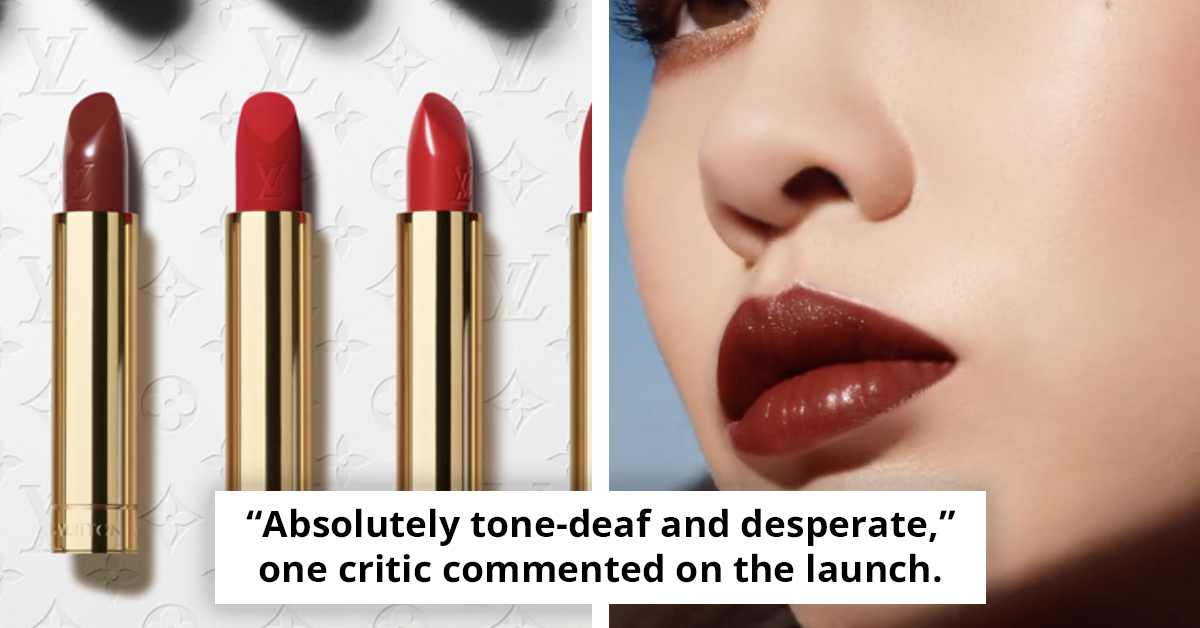
Louis Vuitton just tried to walk into beauty like it owns the runway, and people are not buying it. The brand’s debut collection, La Beauté, came with a price tag that feels less like luxury and more like a dare: $160 for lip products and $250 for eyeshadow quads.
In a market where customers are used to paying hundreds for handbags that can outlive trends, the math gets brutal fast. Social media is buzzing with side-by-side comparisons, like Dior’s $47 lipstick, Chanel’s roughly $45 price point, and even Hermès Beauty at $78. Then there’s the part that makes it especially messy, makeup expires, it does not sit in a closet for a decade like leather.
The backlash is turning into a full-on receipts war, and the $160 lip balm is the spark.
Sticker shock: $160 lipstick and $250 palettes
While the design and artistry behind the products are hard to deny, the prices have left many consumers stunned. Lipsticks and lip balms are priced at $160 each, while the eyeshadow quads will retail for $250.
For comparison, a Dior lipstick retails for $47, while a Chanel lipstick averages around $45. Even Hermès Beauty, known for elevating everyday items into luxury status, prices its lipsticks at $78. By contrast, Louis Vuitton’s pricing is in a league of its own.
The sticker shock hit hardest when people saw LV lipsticks and lip balms priced at $160 each, then immediately compared it to Dior and Chanel’s far lower totals.
The backlash surrounding Louis Vuitton's $160 lip balm highlights a fundamental clash between luxury branding and consumer expectations. As the brand ventures into the beauty realm with its debut collection, La Beauté, the high price point of its lip balm has ignited criticism, suggesting that many feel the cost does not correspond to the product's perceived value. This sentiment is particularly poignant given that consumers have come to associate price with quality. When a product does not meet the elevated expectations tied to its luxury branding, disappointment can quickly turn into outrage. Additionally, the allure of luxury goods often ties into deeper emotional and social aspirations, making the stakes even higher for a brand like Louis Vuitton that commands a prestigious image. The negative response to the lip balm reflects not just a disagreement over pricing but a broader commentary on the values and motivations driving consumer behavior in the luxury market today.
The collection arrives with 55 lipsticks (a nod to the brand’s LV initials in Roman numerals), 10 lip balms, and eight eyeshadow quads
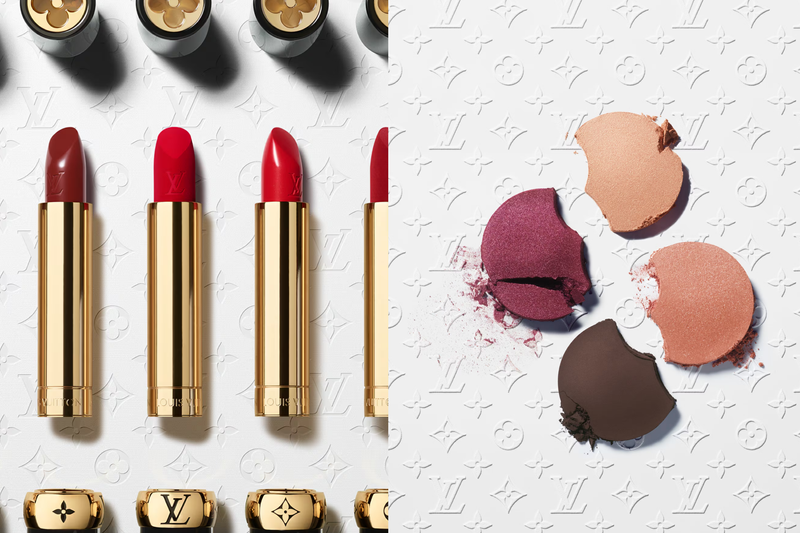
That’s when the criticism started piling up, because cosmetics expire in about two years, while handbags are the kind of luxury people expect to last.
Social media reacts
The response online has been swift and largely negative. Many beauty fans argue the brand is out of touch, pointing out that makeup is not a permanent luxury asset like a handbag. Unlike leather goods that can last for decades, cosmetics typically expire within two years.
"Absolutely tone-deaf and honestly desperate looking," one critic wrote under the launch announcement. "This brings nothing of worth to the beauty table, just yet another logo-cashing venture to be dispensed to influencers for TikTok posting."
Another added: "I think it’s a good time we as customers show and teach those brands that WE ARE NOT STUPID to pay extravagant prices, especially for makeup that expires. Remember, makeup is more about your skills than the product itself."
Celebrity hairstylist Sam McKnight joined the chorus with a sharp remark: "Good luck with that."
Others poked fun at the pricing. "Handbag included, right?" one commenter joked. Another noted the irony of Louis Vuitton describing makeup as a "heritage asset," writing, "This might be the shortest-lived makeup brand ever."
It also echoes the UK officer dismissed for deceptive tactics while claiming to work remotely.
"Absolutely tone-deaf and honestly desperate looking," one critic wrote under the launch announcement.
Even the collection details, 55 lipsticks, 10 lip balms, and eight eyeshadow quads, including the “LV initials in Roman numerals” nod, could not soften the reaction.
Luxury or overreach?
The question remains whether Louis Vuitton’s pricing strategy will resonate with its loyal clientele or alienate the very customers it hopes to attract. Luxury brands like Chanel and YSL have long used beauty lines to create accessible entry points into their worlds, allowing everyday consumers to buy into the brand without spending thousands. Louis Vuitton, however, seems intent on keeping even its cosmetics firmly out of reach for the average buyer.
Whether La Beauté will be embraced as the pinnacle of luxury beauty or dismissed as an overpriced experiment remains to be seen. For now, the conversation surrounding Louis Vuitton’s lip balm suggests the brand may have underestimated just how sensitive beauty shoppers are to price — even in the world of luxury.
Social media users kept quoting the same vibe about being “out of touch,” after the $160 lip balm and $250 quad prices made the brand look desperate for approval.
It's also worth considering the effect of cognitive dissonance in this situation. Cognitive dissonance theory (Festinger, 1957) suggests that when our actions don't align with our beliefs or values, we experience discomfort. In this case, consumers who believe in the value of affordable beauty products may feel conflicted about the appeal of a luxury brand's offering, thus leading to negative reactions.
The launch of Louis Vuitton's La Beauté collection, which includes a $160 lip balm, has ignited a firestorm of discussion regarding luxury branding and consumer perception. The brand's illustrious reputation in the realm of high-end handbags may not seamlessly translate to the beauty industry. For many potential customers, this price point raises questions about value and accessibility. The stark contrast between Louis Vuitton's luxury identity and the everyday nature of beauty products could alienate consumers who are more price-sensitive or who prioritize practicality over prestige. This moment highlights how a brand's established image can simultaneously attract and repel, depending on individual consumer values and beliefs about luxury consumption. As the debate unfolds, it will be crucial to observe how La Beauté resonates with consumers and whether it strengthens or weakens Louis Vuitton's relationship with its audience.
The controversy surrounding Louis Vuitton's $160 lip balm highlights the complex interplay between luxury branding and consumer psychology. The perceived value tied to such a high price tag reflects not only the brand's storied reputation but also the social status that comes with owning luxury items. This phenomenon is further complicated by cognitive dissonance, as consumers grapple with the rationale behind spending such an amount on a single beauty product. Additionally, the brand's personality and image in the luxury market significantly influence consumer reactions. As Louis Vuitton ventures into the beauty sector, it is essential to consider how these psychological factors will shape the reception of its debut collection, La Beauté, and the broader implications for luxury consumer behavior.
Nobody wants to pay $160 for something that might be expired before the hype even cools off.
Still shocked by luxury prices? See why a pilot uses soda to clean airplane windshields.

Damjan