‘Faux-zempic’ Warning Issued as Dangerous Counterfeit Weight Loss Drugs Circulate
A recent study found that one in ten teenagers had used products marketed as “nature’s Ozempic” or “budget Ozempic.”
Austria had hospital beds full of people who thought they were getting Ozempic, and Chicago had a man who went straight into a coma after injecting a counterfeit version. Now the warnings are getting a nickname, “faux-zempic,” because the whole thing is built on the same lie: it looks like the real deal, so it must work like the real deal.
Here’s the part that makes it extra scary, some fake vials have reportedly contained insulin instead of semaglutide, which can trigger reactions that are anything but “weight loss friendly.” And it gets messier when the hype is doing its job, celebrities and peers sell the idea, people want results fast, and they skip the boring step of verifying what they’re actually injecting.
The worst twist is that teens are getting pulled into it too, with “nature’s Ozempic” and “budget Ozempic” products that may include laxatives and other unapproved ingredients.
These fake products, now nicknamed “faux-zempic,” often contain unknown additives or substitute substances that can cause serious health complications. In some cases, counterfeit versions have included insulin rather than semaglutide, leading to severe reactions.
Several patients in Austria were hospitalized after injecting fake Ozempic, and in Chicago, a man fell into a coma after using a counterfeit version purchased from an unregulated source. Younger people are also being affected.
A recent study found that one in ten teenagers had used products marketed as “nature’s Ozempic” or “budget Ozempic,” including laxatives and other unapproved weight loss supplements. These products are not safe for adolescents and have been linked to increased risks of developing eating disorders and other mental health conditions.
That’s why “faux-zempic” is spreading faster than the real drug, because people in Austria and Chicago already proved what happens when the label is a decoy.
The surge in popularity of weight loss drugs like Ozempic can be attributed to the psychological phenomenon known as social proof. Individuals often mimic the behaviors of others, especially when navigating uncertain choices, such as weight loss. The influence of celebrities and peers promoting these drugs creates a powerful allure, encouraging many to pursue these options without verifying their authenticity. In the case of counterfeit versions, or “faux-zempic,” this blind following can lead to severe health risks. People are swayed by the perceived validation of their choices based on others' endorsements, often overlooking the dangers associated with such counterfeit products.
A Recent Study Found That One in Ten Teenagers Had Used Products Marketed as “nature’s Ozempic” or “budget Ozempic
 Pexels
And once a Chicago man ended up in a coma after injecting a counterfeit Ozempic, the scam stopped being “just risky” and started looking catastrophic.
While counterfeit Ozempic patients were hospitalized, Trump also warned of escalating chaos after announcing “significant military actions” following US strikes in Iran, raising fears of a broader conflict.
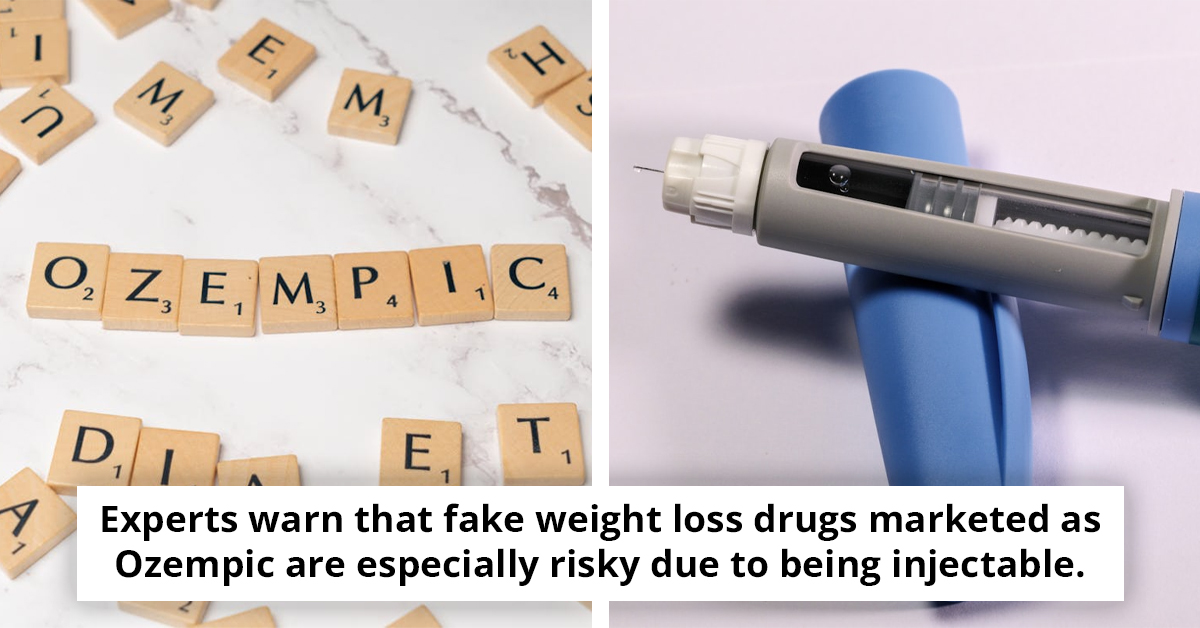
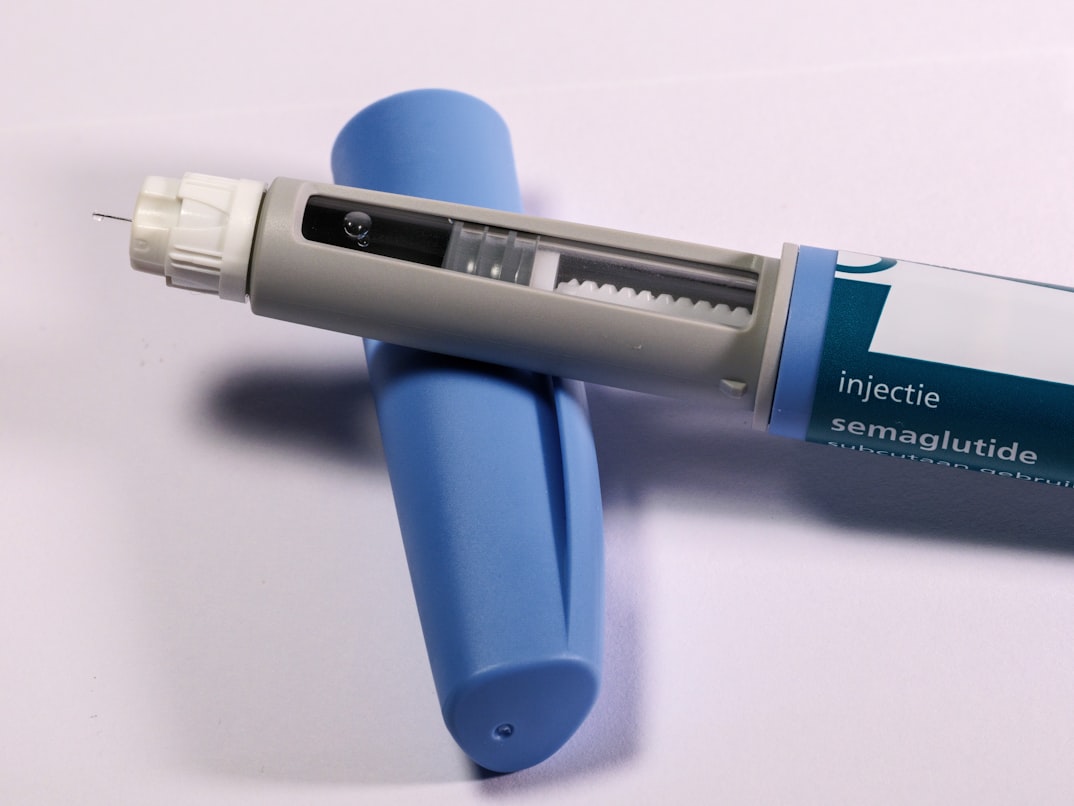
Because Ozempic is administered via injection, the risks of counterfeit versions are compounded.
Meanwhile, the study about teenagers using “nature’s Ozempic” or “budget Ozempic” shows the same pattern of blind following, just with laxatives and other unapproved supplements.
Furthermore, the use of counterfeit weight loss drugs among teenagers can be linked to the developmental stage during adolescence. This developmental perspective highlights why some teenagers may not fully grasp the potential health risks associated with counterfeit weight loss drugs, as they navigate a complex interplay of cognitive and emotional factors.
Because Ozempic is injected, every fake vial turns the social proof hype into a direct hit on the body, not a harmless mistake.
As the popularity of weight loss drugs like Ozempic skyrockets, the emergence of counterfeit versions dubbed "faux-zempic" raises significant concerns about body image and self-esteem, particularly among adolescents. The influence of social media cannot be overlooked in this context. Platforms flooded with images of idealized body types often drive young people to seek quick fixes for weight loss, leading to dangerous choices such as turning to unregulated and potentially harmful alternatives. It is imperative for parents, educators, and health professionals to be aware of this troubling link and to take proactive steps in fostering a healthier body image among teenagers. Addressing these issues head-on could help curb the demand for counterfeit drugs and promote safer, healthier approaches to weight management.
As the phenomenon of counterfeit weight loss drugs, particularly “faux-zempic,” gains traction, it is essential to consider the psychological underpinnings driving this trend. The pressure to conform to societal beauty standards is a significant factor. Individuals may find themselves resorting to dangerous and unproven alternatives in their quest for acceptance and approval. The influence of social media cannot be understated, as it amplifies these pressures, particularly among adolescents who are already navigating the complexities of body image and self-worth. The constant exposure to curated lifestyles and physiques can lead to a distorted perception of reality, encouraging risky behaviors in pursuit of an idealized self. Addressing these psychological factors is crucial for curbing the rising use of counterfeit weight loss drugs and fostering healthier attitudes towards body image and self-esteem.
If the vial is counterfeit, the “shortcut” turns into the whole disaster.
Before you risk your health, see why experts say sleep matters as much. Experts warn weight-loss injection users may be undermining success by ignoring sleep.

Damjan