Veteran Journalist and Former Presidential Aide Bill Moyers Dead at 91
From White House Press Secretary to PBS Pioneer
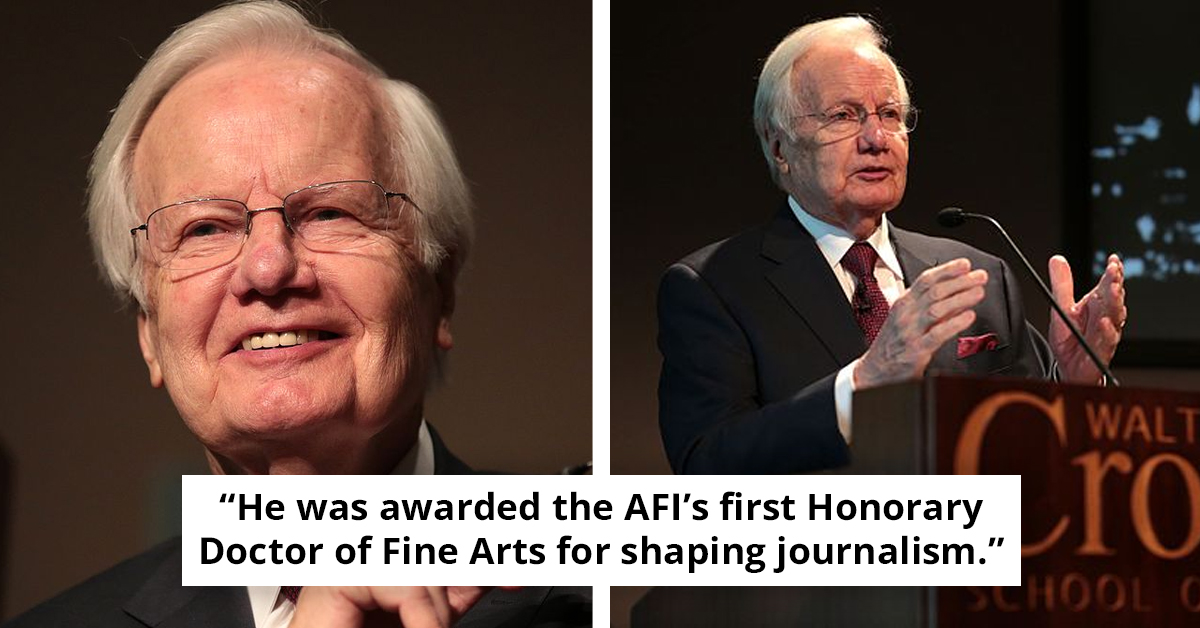
Bill Moyers did not just report history, he helped build parts of it, then came back to the microphone to warn the country when the story started to rot. From his major TV roles to his work shaping policy, he lived in the middle of America’s biggest debates, and he never treated truth like a “nice to have.”
After years as publisher of Newsday and a familiar face on CBS News and NBC News, Moyers also moderated presidential debates, a job that puts every word under a spotlight.
And even late in life, he was still watching the narrative, saying he feared America could die of too many lies.
Moyers shaped journalism and policy with acclaimed reporting, major news roles, and work on the Great Society.
But Moyers’ work didn’t stop at his programs. Over the years, he held roles that included publisher of Newsday, moderator of presidential debates, and correspondent and analyst positions at CBS News and NBC News.
Former CNN president Tom Johnson praised Moyers’ work as reaching “the heights of excellence in journalism,” even saying that many compared him to Edward R. Murrow, the legendary journalist known for his integrity and fearless reporting.
Moyers wasn’t just a chronicler of American life; he was part of shaping it. While working for President Johnson, he helped organize the task forces that laid the groundwork for the Great Society programs, which aimed to tackle poverty and racial injustice during the 1960s. In his memoir, Moyers wrote,
“At the root of the Great Society was only an idea—that free men and women can work with their government to make things better.”
That belief in civic engagement and the possibility of progress stayed with him throughout his career.
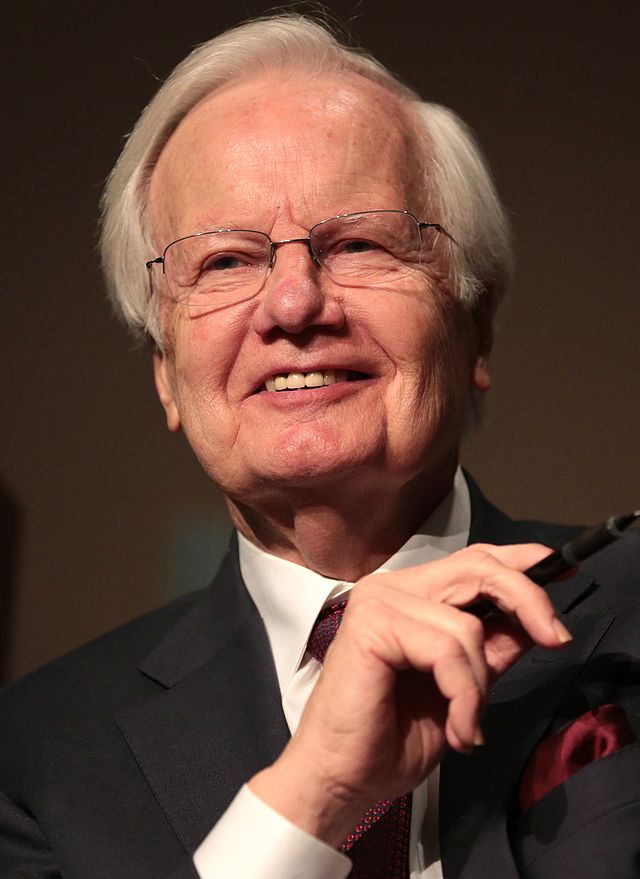 commons.wikimedia
Even with the praise rolling in from Tom Johnson, Moyers’ résumé was packed with high-pressure moments like moderating presidential debates, where accuracy is the whole game.
Even in his later years, Moyers continued to share his thoughts on the country’s direction. In one interview, he reflected on the state of America with a deep sense of concern.
“For the first time in my long life,” he said, “I feared for America.”
He went on to explain his worries, adding,
“I was born in the Depression, lived through World War II, have been a part of politics and government for all these years… a society, a democracy can die of too many lies. And we’re getting close to that terminal moment unless we reverse the obsession with lies that are being fed around the country.”
That same drive for clarity showed up when he helped organize the task forces under President Johnson, turning the Great Society idea into real policy work.
Legacy of Journalism
Bill Moyers’ impact on journalism extends beyond his roles; he exemplified integrity and dedication, weaving critical thought into public discourse.
It also echoes the UK officer dismissed for deceptive tactics while claiming to work remotely.
Despite his fears, Moyers devoted his award-winning career to championing truth and honest reporting.
Despite his fears, Moyers still believed in the importance of truth.
"Do facts matter anymore? I think they do,” he said.
It was a simple statement, but it captured the essence of his lifelong mission: to show that facts, honesty, and clear-eyed reporting are essential to a healthy democracy. His contributions did not go unrecognized.
Throughout his career, Moyers received 35 Emmy Awards, two Alfred I. Dupont-Columbia University Awards, nine Peabody Awards, and three George Polk Awards.
He was also honored with the first-ever Honorary Doctor of Fine Arts from the American Film Institute, a testament to the impact he had on journalism and public discourse.
 commons.wikimedia
But the complexity grew years later, when Moyers looked at the country’s direction and said he was “feared for America” because of an obsession with lies.
Moyers’ legacy lives on through his countless interviews, documentaries, and writings, which continue to inspire journalists, historians, and anyone who values truth in an age of misinformation.
His work reminds us that even in times of deep division and uncertainty, the pursuit of honest storytelling can help a country understand itself—and perhaps, find a path forward.
That fear closes the loop on his legacy, because Moyers kept pushing honest reporting even after he’d already shaped the Great Society and the way Americans watched leadership.
The death of Bill Moyers highlights the critical role that journalism plays in sustaining democracy. His career stands as a testament to the necessity of integrity and ethical reporting, particularly in a time when misinformation is rampant. The article reflects on how Moyers dedicated himself to uncovering the truth and addressing America’s challenges, reinforcing the idea that understanding the historical context of journalism is vital for future generations. By celebrating Moyers’ legacy, there is an opportunity to rekindle a commitment to truth and accountability, which are indispensable for a healthy democratic society.
He spent his life chasing the truth, and in the end, he still did not trust the story America was telling itself.
Want another emotional debate? See whether Punch the monkey’s plush-toy comfort proves real sadness.

Damjan