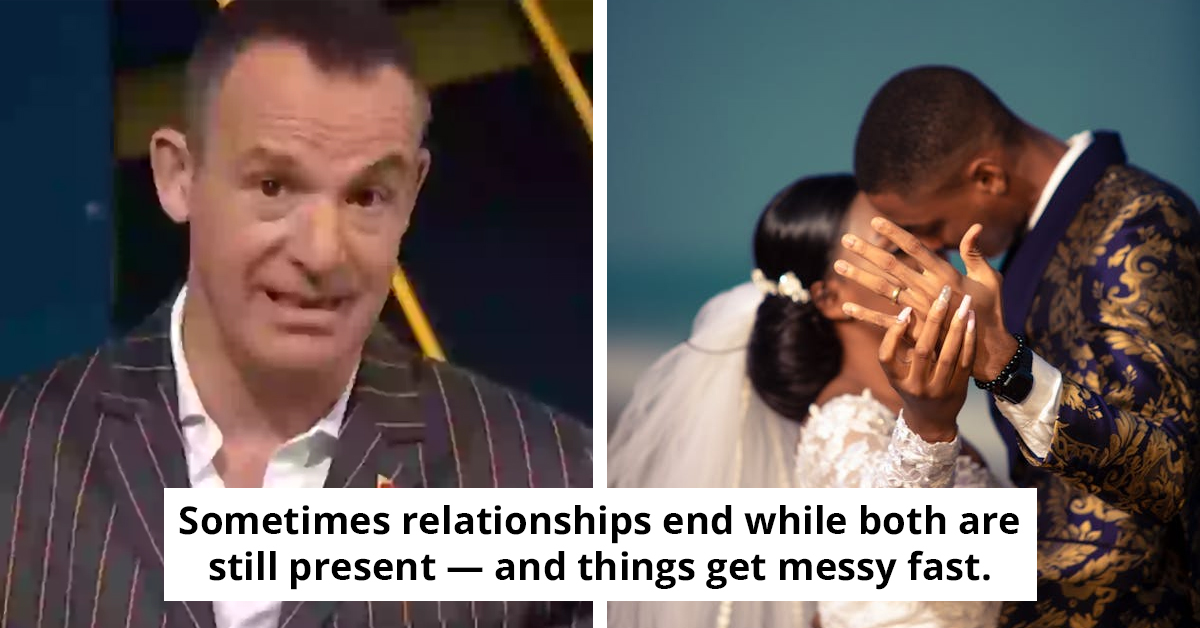
Martin Lewis Alerts Cohabiting UK Couples to Potential Financial Risks
The Money Saving Expert highlighted some financial challenges that come with living together without being married.
A cohabiting couple in the UK thought they were “fine” until the legal gaps started showing up, and the warning came straight from Martin Lewis’s latest no-nonsense reminders. He’s been pushing people to stop treating paperwork like a mood killer, because love does not automatically protect your money.
In this story, it’s not just about what happens after death. It’s about the messier moments that hit while both partners are still alive, like a relationship breakdown where rent, bills, and shared stuff suddenly turn into arguments. And if one person loses the ability to make decisions, without the right paperwork in place, the other partner can be left scrambling for control.
Here’s the part that makes it hit harder, the “what if” scenarios you can’t dodge.
Martin Lewis Frequently Shares His Financial Advice on TV.
Lewis isn’t pushing marriage as a romantic ideal. He’s saying it’s worth sorting the legal side, whether through marriage, civil partnership, or at the very least, a well-written will.
“Be blunt. Be candid,” he advised.
Talk about the hard stuff, the what-ifs, and the worst-case scenarios. It’s not pleasant, but it's practical. Once it’s out in the open and sorted, you can stop worrying about it and focus on living your life together.
If marriage or a civil partnership still doesn’t feel like the right fit, he recommends getting a solicitor to help you draft a clear will. That way, your partner (or children, or anyone else you care about) can have rightful access to your estate if something happens.
 ITV
ITV
Marriage Can Boost Your Financial Security.
It’s not just about death. Relationships sometimes end while both people are still around, and things can get messy fast. That’s where a cohabitation agreement comes in.
Lewis explained it like this: “While a will determines what happens to your assets and belongings once you die, a cohabitation agreement spells out what happens if your relationship breaks down, so it’s a bit like a will for the living.”
The idea is to agree in advance on how things like rent, bills, and shared possessions will be handled if you split up. It can also protect each person from financial abuse or unfair treatment, particularly if one partner earns significantly more than the other.
These agreements hold more weight if both people get independent legal advice before signing. It's not about preparing for failure; it's about making sure you’re both protected if life takes a turn.
 Pexels
You Might Want to Have a Talk with Your Partner.
Lewis also raised another tough topic: what happens if one of you loses the ability to make decisions? Illnesses like dementia, strokes, or accidents can leave people mentally incapacitated, and without a Power of Attorney in place, your partner might not have the authority to make important decisions on your behalf, even if you've lived together for years.
That means sorting out a Lasting Power of Attorney now, when you're healthy, could save a world of stress later.
 Pexels
That’s when the couple realizes a will is only half the picture, because their lives together could unravel long before anyone dies.
Then the breakup math gets ugly, rent and shared possessions turn into a fight, and suddenly a cohabitation agreement feels less optional.
Financial Awareness is Key
She points out that many partners mistakenly believe that living together means they share financial protections similar to marriage.
However, without legal documentation, each partner may face significant financial risks, especially in areas like inheritance and debt liability.
Right after they talk about splitting up, the conversation shifts to the scary stuff, dementia, strokes, accidents, and who gets to decide when one partner cannot.
The emotional landscape of cohabiting couples can be complex.
And once the Power of Attorney part is missing, the whole “we’ll sort it later” plan starts looking like a risk, not a strategy.
At the end of the day, none of this is fun. It’s not exciting, romantic, or particularly cheerful. But it’s necessary. Because if something goes wrong—whether it’s a breakup, a death, or a sudden illness—having those documents in place can make a world of difference.
So, as Lewis puts it, have the conversation, sort out the paperwork, and then go back to your evening. Whether it’s dinner, Netflix, or just chatting about your day, at least you’ll know that the foundations are taken care of.
The insights shared by Martin Lewis underscore the substantial financial implications of cohabiting without legal recognition.
The hardest part is not planning for love, it’s planning for the day life stops cooperating.
Before you ignore the hard money talk, see how Reddit judged the 28-year-old refusing parents’ increased contribution request.

Damjan