Doctor Issues Warning About Common Bathroom Bacteria You Might Be Overlooking
What It Means for Your Health
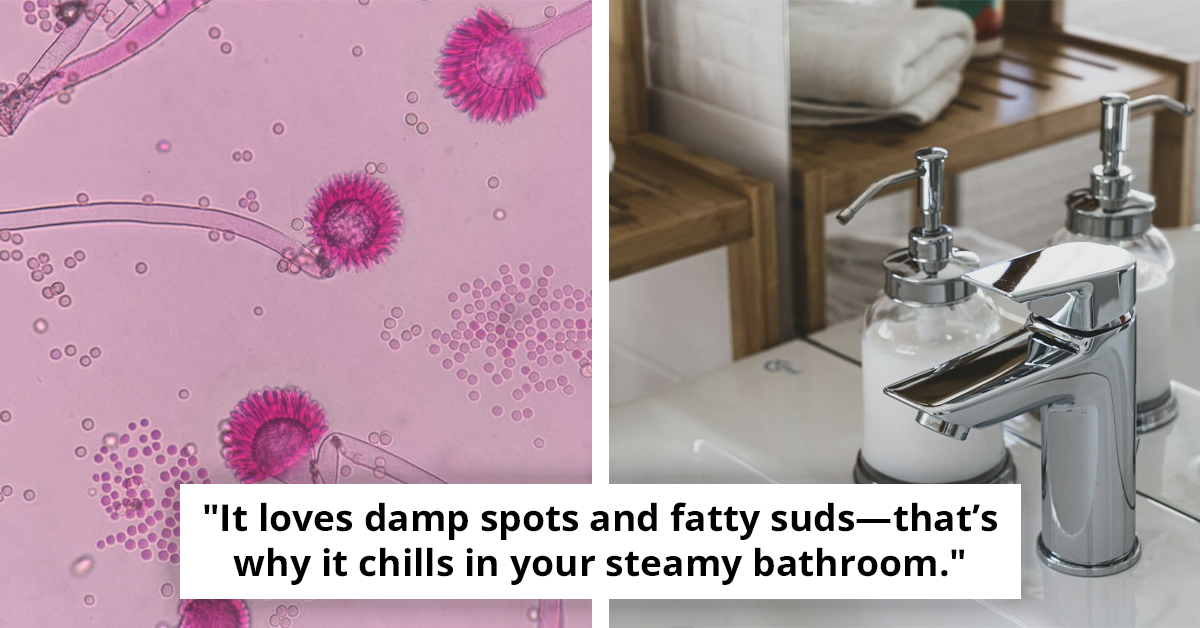
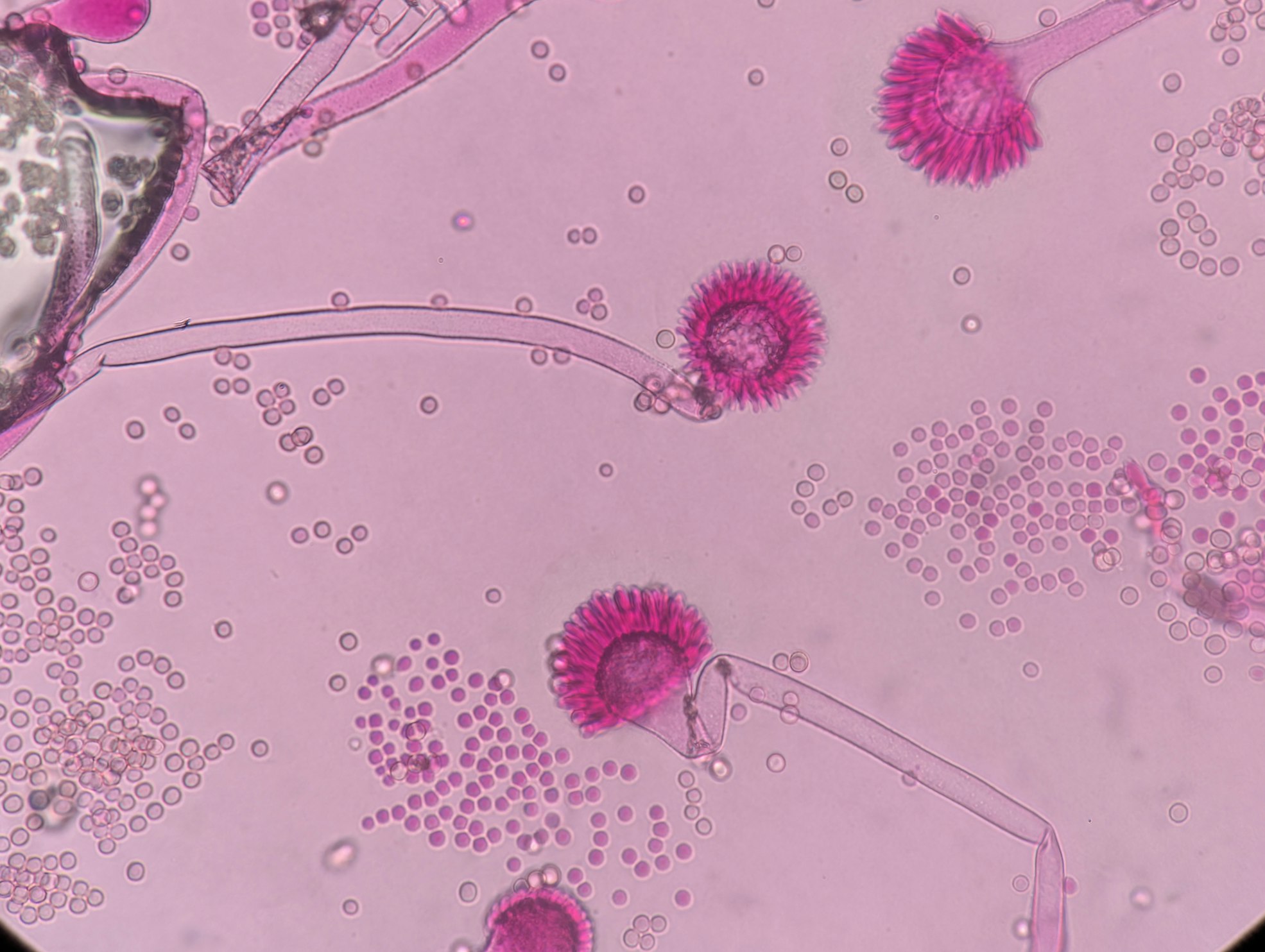
A 28-year-old woman could scrub her bathroom every weekend and still find the same nasty pink streaks creeping back like it’s on a schedule. The pattern looks almost harmless, until you realize it’s the work of Serratia marcescens, the so-called “pink slime” that thrives in the damp corners of your shower.
It gets even weirder because this bacterium has history. It was first identified in 1819 by Italian pharmacist Bartolomeo Bizio, after he spotted strange red stains linked to cornmeal. Two centuries later, the “unwanted guest” is still showing up, especially where moisture meets fatty soap and shampoo residue.
And once your bathroom stays steamy enough for it to settle in, it might not be the only thing growing.
Cleaning the bathroom is often one of the toughest chores at home.
The bacteria were first identified back in 1819 by Italian pharmacist Bartolomeo Bizio, who noticed it causing strange red stains on cornmeal. Fast forward two centuries, and it's now the unwanted guest leaving pink streaks on bathtubs across the world.
Dr. Raj explained why it shows up where it does:
“This bacteria loves damp, moist places and enjoys munching on fatty deposits like those found in soaps and shampoos, which is why it likes to hang out in your steamy bathroom.”
 unsplash
The unsettling pink slime is caused by a bacterium called Serratia marcescens.
For most people, the presence of Serratia marcescens won’t cause any serious problems. It’s not something to panic about. However, there are some risks to be aware of.
“For the average person, it’s pretty harmless even if you come into contact with it, but you still want to avoid getting it in your eyes or open wounds,” Raj said. “However, it can cause gut, urine, or chest infections in those who are immunocompromised.”
That’s not all. The pink slime might be just one part of the story. If your bathroom is damp enough for Serratia to settle in, there could be other things growing too.
“If your home has enough dampness for pink slime to consistently develop,” Raj warned, “you could actually be growing other things as well, like actual household molds, which could be causing respiratory issues or allergies.”
 unsplash
That’s when the pink streaks on the bathtub start to feel less like a cosmetic issue and more like a recurring event.</p>
So what can you do about it?
“The first rule of Pink Slime Club is to keep the bacteria from forming in the first place,” he said. “By curbing its growth, you’ll be preventing other dangerous molds from forming as well.”
Keeping your bathroom dry is key. Use an exhaust fan or crack open a window after every shower to help reduce humidity. Don’t leave damp towels lying around, and if your shower curtain gets soaked often, make sure it’s drying out between uses.
And of course, regular cleaning helps a lot.
“Regularly clean and disinfect your bathroom; it’s filthier than you think.”
Meanwhile, the moment you remember how the bacteria “munches” on fatty deposits from soaps and shampoos, the usual cleaning routine starts to look incomplete.</p>
The article underscores the critical need for vigilant cleaning in bathrooms, which are often overlooked despite being breeding grounds for bacteria due to their high humidity and frequent use. This environment can lead to the buildup of harmful germs, making it essential for homeowners to adopt proactive cleaning habits.
Moreover, the suggestion to implement regular cleaning routines is paramount. By doing so, individuals can not only maintain a healthier living space but also mitigate the risk of infections that can stem from common bathroom bacteria. This proactive approach to hygiene is vital in fostering a safe and clean home environment.
This is similar to the fight over denying a reckless-driving sister your car during a family emergency.
"Pink slime "
Then comes the part that makes people pause, if you or someone in the home is immunocompromised, contact is not something to gamble on.</p>
Next time you notice that pink stain in your bathroom, don’t brush it off or assume it’s just leftover soap or a fruity shower gel. That pink residue is more than just a nuisance; it can signal the presence of bacteria.
Making a few simple adjustments to how you clean and ventilate your bathroom can help prevent it from returning. These changes not only keep your bathroom looking fresh but also create a safer, healthier environment over time.
And if the bathroom stays damp long enough for Serratia to keep returning, it can open the door for other molds that hit lungs and allergies.</p>
In the context of bathroom hygiene, it is essential to address the often-overlooked role of playfulness in maintaining cleanliness. The article emphasizes that bathrooms, due to their high humidity and traffic, are breeding grounds for harmful bacteria. Just as structured play can enhance emotional development in children, a systematic approach to cleaning can significantly improve the health of a household.
By implementing a routine cleaning schedule, families can create an environment that not only fosters creativity but also ensures safety. Engaging the entire family in this task can transform it into a fun activity, leading to better communication about hygiene practices. Ultimately, prioritizing cleanliness in these shared spaces can enhance family dynamics and promote a healthier living environment.
The article highlights the often-overlooked dangers lurking in our bathrooms, emphasizing the need for vigilant cleaning practices.
Nobody wants to earn a spot in Pink Slime Club, especially when the real problem is the dampness inviting everything else in.
Pink bathtub streaks are bad, but wait until you see why this vegan roommate grocery split blew up.

Damjan