Baby Delivered by C-Section from Brain-Dead Mother in Georgia
Adriana Smith was declared brain dead in February but remained on life support to sustain her pregnancy.
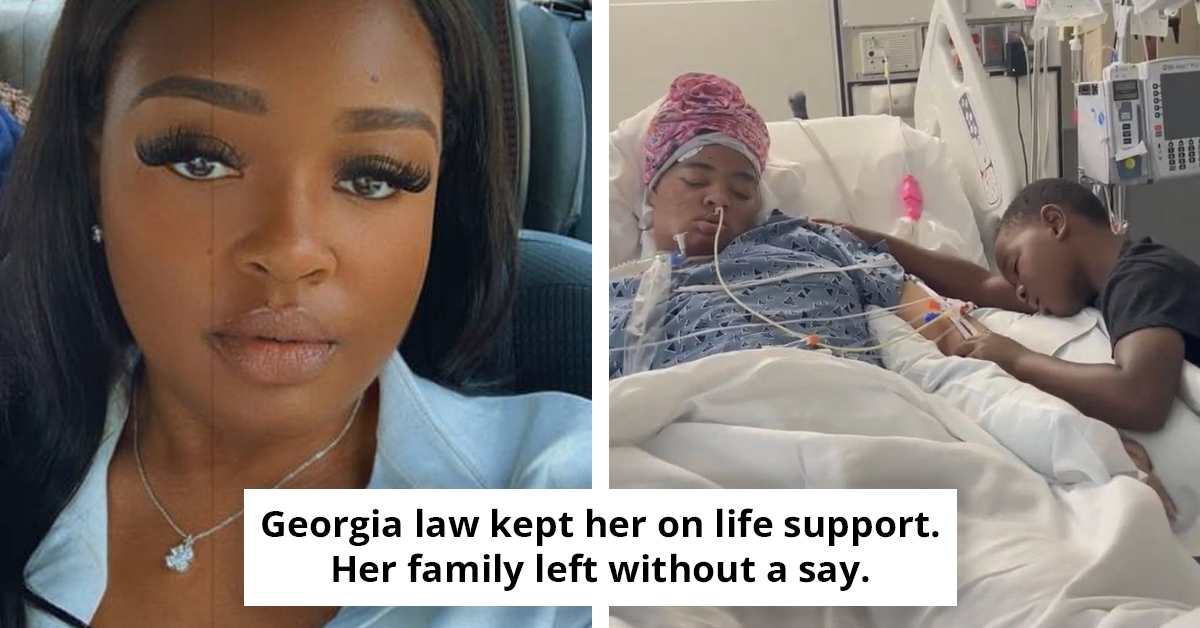
A 28-year-old Georgia woman, Smith, was declared brain-dead, and her family was told the state’s abortion ban could still force her to stay on life support long enough for her baby to be born.
Her family says the hospital presented it like a no-win legal trap, with Georgia’s six-week abortion ban and its “fetal personhood” language hanging over every decision. Her mother, Newkirk, says they wanted the baby, but they felt like the choice was taken away, even after death. The hospital wouldn’t confirm details, pointing to how it follows “legal guidance,” while Georgia’s Attorney General’s office insists the law does not require keeping someone alive once they’re brain dead.
In the middle of that standoff, the family says a birth happened, but control did not return.
Smith’s Family Says Georgia Law Forced Her to Stay on Life Support, Leaving Them Powerless.
What followed was a harrowing period for her family, not just because they were grieving, but because they felt powerless. Georgia’s six-week abortion ban, which includes language related to “fetal personhood,” seemed to force a medical and legal standoff. Smith's family says doctors told them that, because of the law, they were required to keep Smith on life support to give her baby a chance of survival.
“We didn’t have a choice or a say about it,” Newkirk said before Chance was born. “We want the baby. That’s a part of my daughter. But the decision should have been left to us – not the state.”
Newkirk explained that they were told the hospital had no other option. The medical team, she said, felt bound by state law. The hospital declined to confirm or deny that account, citing patient privacy rules.
In a general statement, however, the hospital said it “uses consensus from clinical experts, medical literature, and legal guidance” to help providers make decisions that align with Georgia’s laws. Their focus, it said, remains on “the safety and well-being of the patients we serve.”
 Facebook
Disputes Over Georgia Law in Smith’s Case Highlight Fears That Fetal Personhood Can Override a Woman’s Rights, Even After Death.
But not everyone agrees on what Georgia law says in cases like this. The office of Georgia’s Attorney General, Chris Carr, responded to the controversy by stating that the law does not require doctors to keep someone alive once they’ve been declared brain dead.
“Removing life support is not an action with the purpose of terminating a pregnancy,” said Carr’s spokesperson, Kara Murray.
That gap between how the law is interpreted and how it’s applied in practice has been a flashpoint for reproductive rights advocates. Legal experts and advocates have warned for years that fetal personhood laws could result in situations where the pregnant person’s body becomes secondary, even in death.
In Smith’s case, many say, this is exactly what they feared. For Newkirk, however, the legal debate pales in comparison to the emotional toll.
“I’m her mother,” she said. “I shouldn’t be burying my daughter. My daughter should be burying me.”
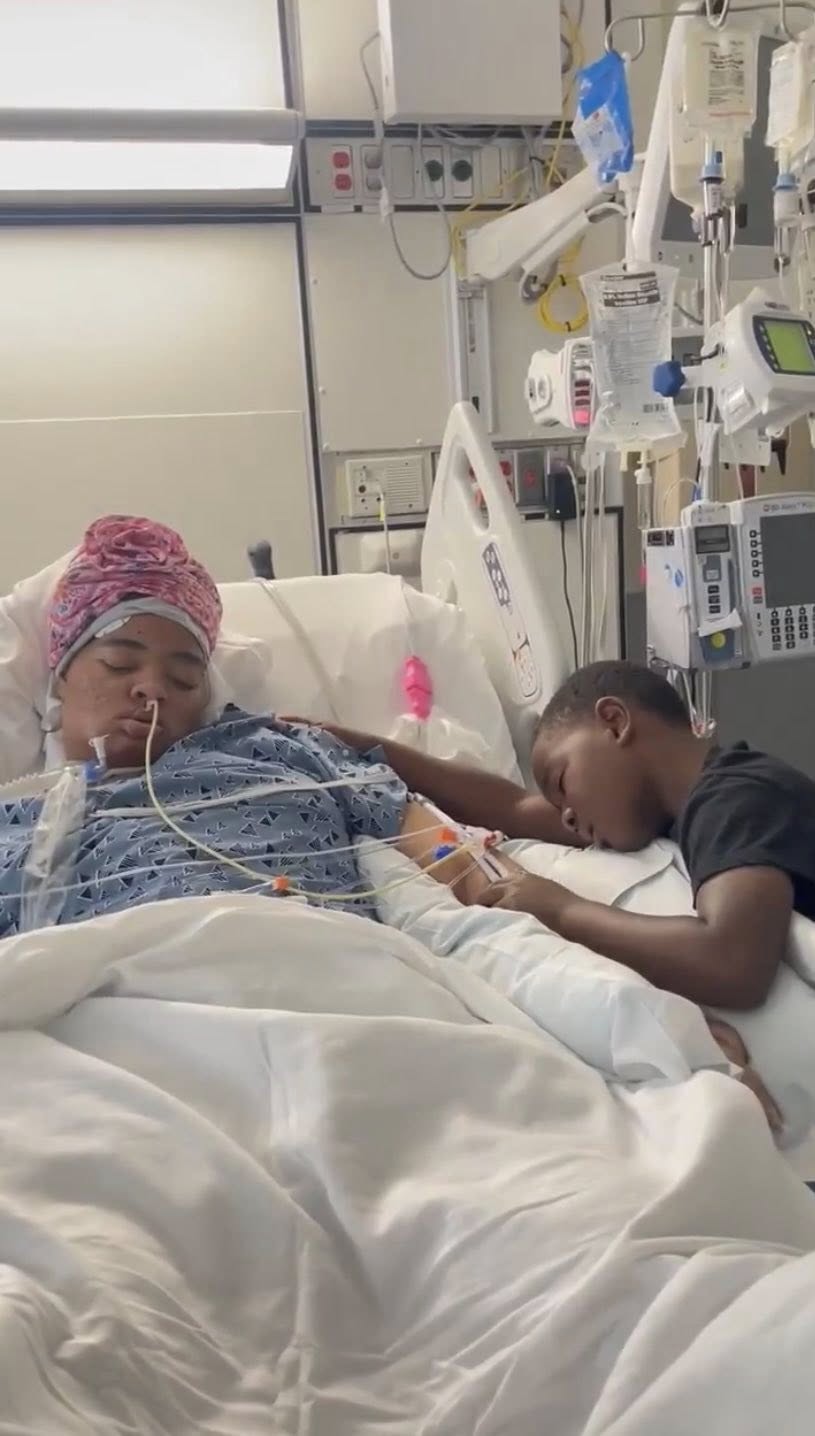 Facebook
That’s the moment Newkirk’s grief got tangled with Georgia’s six-week abortion ban, after doctors allegedly told the family they had “no other option” but life support for Smith.
While the hospital stayed quiet on the specifics, it leaned on “legal guidance,” leaving Newkirk’s family feeling like the state had the final say over Smith’s body and their chance to decide.
Despite everything, she holds tightly to her grandson’s fight for life as a small but vital source of hope amid the pain. Baby Chance was born under unimaginable circumstances and is now receiving care from dedicated doctors.
Around him is a family still mourning the loss of Smith, yet still holding onto hope for the future. Though Smith’s life ended in February, her story, and that of her son, has only just begun.
This is the kind of fallout you see in the father who demanded his daughter repay $10K after the groom bailed over her cheating.
Then the Attorney General’s office, through spokesperson Kara Murray, pushed back hard, saying removing life support is not meant to terminate a pregnancy, even in a case like this.
Ethical Considerations in Maternal Brain Death
The case of Adriana Smith raises crucial ethical questions about maternal brain death and the continuation of life support for pregnant individuals. These decisions should involve a multidisciplinary team, including medical professionals and ethicists, to navigate complex moral landscapes.
Clearer guidelines and protocols are necessary, as the emotional and ethical implications for families can be profound. Understanding patients' wishes ahead of time can also mitigate moral distress for healthcare providers.
Advancements in neonatal care have made it possible to sustain pregnancies under challenging conditions. However, not all outcomes are favorable. For instance, babies born from brain-dead mothers can face health complications due to the lack of maternal physiological support.
To improve future decisions in similar situations, healthcare providers should engage in thorough discussions with families about the potential risks and benefits.
The delivery of a baby from a brain-dead mother in Georgia opens the door to pressing ethical and medical discussions that demand our attention. This case illustrates the complexities that arise when medical technology intersects with the fragility of life.
This incident underscores the critical need for advance care planning and the necessity for open dialogues among healthcare providers and families. Engaging in these discussions not only improves the quality of patient care but also cultivates a compassionate atmosphere for families grappling with such heart-wrenching decisions. The implications of this case extend beyond the immediate medical context, urging us to reflect on how we approach life, death, and the choices that define them.
Now the family is left asking how a law meant to regulate pregnancy ended up controlling what happened to Smith after she was already gone.
Next, see the AITA fight where a homeowner refused a struggling friend’s housing help.

Damjan