
Toddler's Stone Turns Out To Be Valuable Historical Relic
A three-year-old casually discovers a 3,800-year-old archaeological treasure.
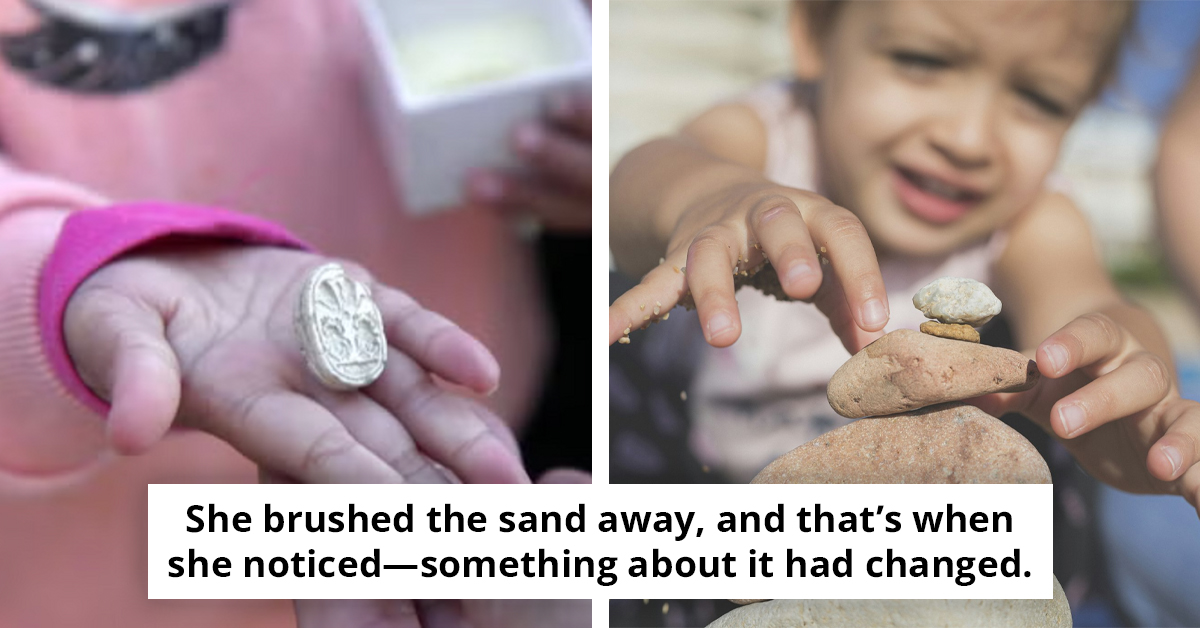
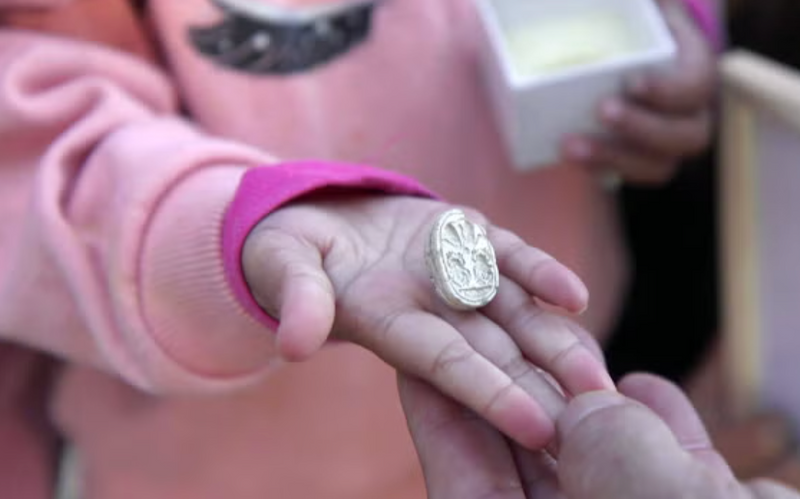
It started with a toddler’s sticky hands and a “just a stone” moment that turned into a real historical jackpot. One family was out doing something ordinary, and then their whole afternoon flipped when a child rubbed sand off a rock and it didn’t look like anything they’d ever seen.
Here’s where it gets complicated, fast: Omer noticed the difference right away, called his parents over to see it, and the family went from backyard awe to full-on “wait, this might be important” mode. Instead of keeping it as a souvenir, they reported the find to the Israel Antiquities Authority, even after it looked like it could belong to thousands of years ago.
And when archaeologists confirmed what it was, that innocent nature walk suddenly connected their family to the Canaanites and a Middle Bronze Age scarab.
Family uncovers ancient artifact and reports discovery to authorities.
Omer continued, “When she rubbed it and removed the sand from it, we saw that something was different about it. I called my parents to come see the beautiful stone, and we realized we’d discovered an archaeological find! We immediately reported this to the Israel Antiquities Authority.”
Their decision to contact the authorities was the right one, marking the beginning of a journey that would tie their family history to a moment from thousands of years ago.
 Unsplash
Omer didn’t just think it was pretty, he immediately called his parents over after the toddler rubbed the sand off.
Archaeologists later confirmed that the stone was far from ordinary. It turned out to be a priceless artifact, a Canaanite scarab from the Middle Bronze Age. Dating back roughly 3,800 years, the artifact connected the family to a period rich in history and cultural exchange.
The Canaanites, an ancient civilization known for their advanced practices and close ties with Egypt, frequently used scarabs as both seals and amulets. These items were not merely decorative; they played significant roles in the rituals and everyday lives of the people of that time.
Once the family realized it was different, the “nature walk keepsake” plan died, and reporting the discovery to the Israel Antiquities Authority became the move.
The discovery of a valuable historical relic by a toddler during what was intended to be a simple nature walk serves as a poignant reminder of the profound impact such moments can have on young minds. This unexpected find could ignite a lasting passion for history in the child, turning a casual outing into a pivotal educational experience.
Engaging with artifacts not only fosters curiosity but also enhances critical thinking skills. As families explore the significance of their discoveries, they create opportunities to weave historical narratives that enrich their understanding of the past. This particular incident underscores the value of integrating outdoor exploration with educational discussions.
Moreover, participation in local archaeological events or visits to museums can significantly deepen a child's appreciation for history. Such experiences transform learning from a passive activity into an exhilarating adventure, encouraging children to actively seek knowledge and engage with their heritage.
A child’s stone unveils ancient history.
For the Nitzan family, what began as a typical outing ended with the thrill of becoming part of an archaeological tale. It was a day when the casual turned profound, a day that brought history to life right before their eyes.
Imagine the mix of emotions: wonder, excitement, and a bit of disbelief as they realized that a stone picked up by a small child was a tangible piece of ancient history.
 Unsplash
Then the confirmation hit, a Canaanite scarab from the Middle Bronze Age, dating back about 3,800 years, which is not exactly the kind of timeline you expect at playground speed.
The Nitzan family’s unexpected discovery during what was supposed to be an ordinary outing is one of those rare moments that show us how history has a way of sneaking into our lives when we least expect it. What started as a casual day out turned into a story that not only added a new chapter to their family’s legacy but also peeled back a layer of the ancient world, offering us all a glimpse into the past.
History isn’t always locked away in museums or buried under miles of earth; it’s often right under our noses, waiting for someone to notice. Sometimes, all it takes is a little luck and a lot of curiosity to uncover something extraordinary.
Now the whole story feels like a spark, the toddler’s find turning an outdoor moment into a history obsession and a reason to hit local museums and events.
He suggests that parents and educators share stories about the significance of such finds, emphasizing their connection to cultural heritage. This approach not only enriches a child's learning experience but also encourages them to see themselves as part of a larger historical narrative.
Furthermore, organizing family outings to archaeological sites can enhance understanding and appreciation, making history come alive.
This delightful discovery of a toddler's stone, which turned out to be a valuable historical relic, underscores the rich history that often lies hidden in our everyday surroundings. The event serves as a perfect example of how a simple family outing can transform into an extraordinary moment of connection with the past. Moments like these can inspire curiosity in children, encouraging them to explore and appreciate the archaeological treasures woven into the fabric of our environment.
By engaging with history through such personal experiences, families can foster a deeper sense of belonging and identity. As they delve into local history together, they not only create cherished memories but also nurture a lifelong love for learning. This incident emphasizes the importance of exploration and discovery, showing how even the smallest find can spark an enduring interest in our collective heritage.
That toddler didn’t just find a stone, they accidentally uncovered a piece of the past.
For more family drama, read why one woman asked “AITA” for announcing pregnancy before her sister’s wedding.

Damjan