World-Famous Opera Singer Faces Calls to Be Dropped Over Alleged Putin Links
Is Royal Opera “on the wrong side of history?”
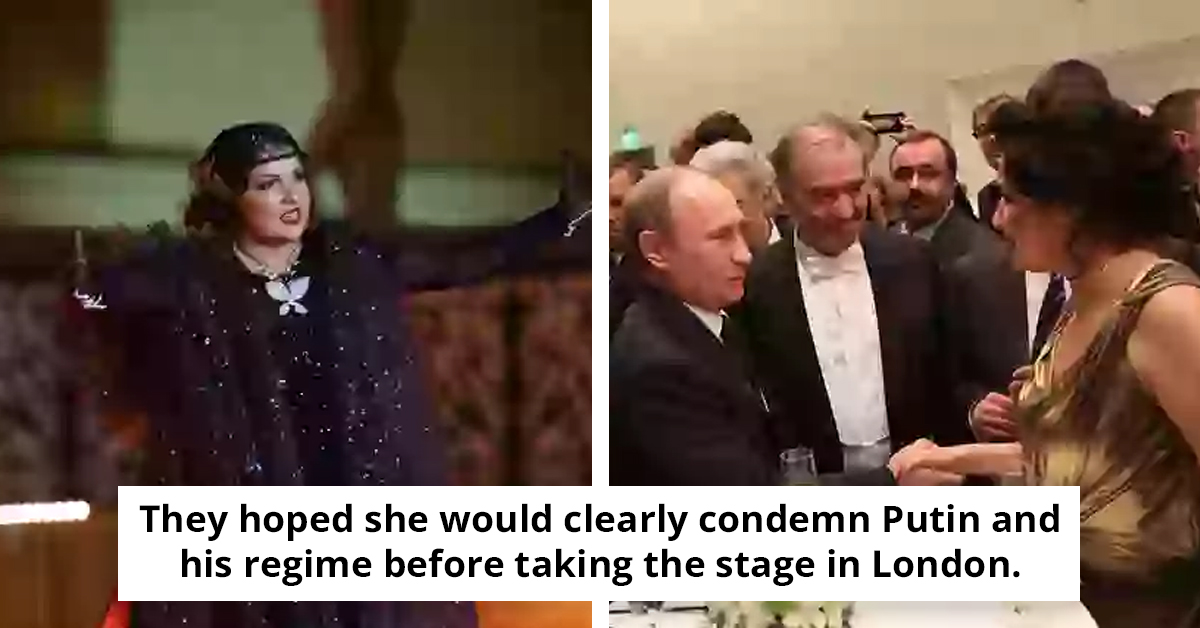
Anna Netrebko has survived the kind of spotlight most people only dream about, sold-out stages, international headlines, the whole opera royalty package. But now her name is getting dragged into a political storm, with critics demanding she be dropped from the Royal Ballet and Opera’s upcoming London season.
Labour MP Alex Sobel says he’s “deeply troubled,” arguing the Royal Opera shouldn’t invite Russian supporters of the regime while Ukraine is fighting for freedom. Conservative MP John Whittingdale is pointing to Netrebko’s past, including a photo from 2014 where she held the flag of “Novorossiya,” plus what he sees as a troubling silence about Russian brutality.
And just when you think it’s just about one soprano, a Guardian letter and Ukraine’s deputy foreign minister, Sergiy Kyslytsya, push the story into a bigger question about where art ends and history begins.
One of the most celebrated sopranos in the world, Anna Netrebko, is at the center of a growing controversy as critics call for her removal from the Royal Ballet and Opera’s upcoming London season.
 Pexels
Labour MP Alex Sobel, chair of the parliamentary all-party group on Ukraine, stated he was “deeply troubled” by the decision. “It’s simple. Don’t invite Russian supporters of the regime to perform. Ukraine is fighting for all our freedoms. This is adding insult to injury,” he argued.
Conservative MP John Whittingdale echoed these concerns, citing Netrebko’s past actions. “Anna Netrebko may be a fine soprano, but she has previously shown support for Russian separatists in Ukraine and has said nothing to condemn Russian brutality since a single statement over three years ago.”
Sobel’s “adding insult to injury” line hits hardest right after the announcement, because the London season is happening while Ukraine’s cities are still being attacked.
Netrebko's situation also underscores the psychological concept of cognitive dissonance, where individuals experience discomfort when their actions are not in line with their beliefs or values. The public's discomfort with Netrebko's alleged Putin links might be explained by Leon Festinger's Cognitive Dissonance Theory, which suggests that people strive for consistency between their beliefs, values, and actions.
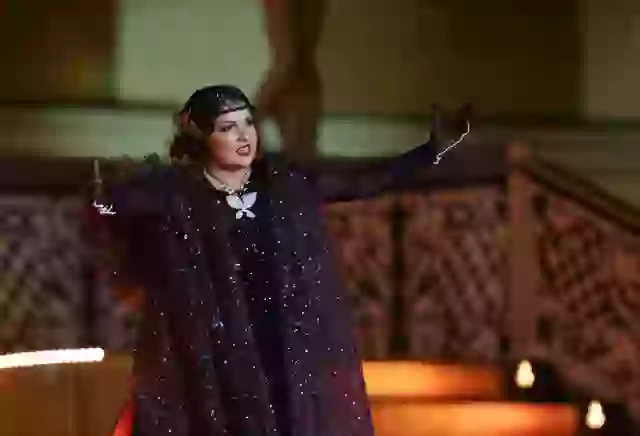
In the letter published by The Guardian, the signatories accused the Royal Opera of being “on the wrong side of history” by inviting her to perform while Russia continues its assault on Ukrainian cities. “
 Heinz-Peter Bader / Stringer
Then Whittingdale brings up that 2014 “Novorossiya” photo, and suddenly the debate is no longer about one performance, it’s about years of signals people think they can’t ignore.
Whittingdale’s comments referenced a 2014 incident when Netrebko was photographed holding the flag of “Novorossiya,” a Kremlin-backed separatist project in Ukraine’s Donetsk region.
Ukraine’s deputy foreign minister, Sergiy Kyslytsya, who organized the letter, went further, stating that the Royal Opera should replace Netrebko with a performer “not associated with a criminal regime.”
It’s a political parallel to Donald Trump’s discomfort with Bill Clinton’s deposition, as testimony demands grow.
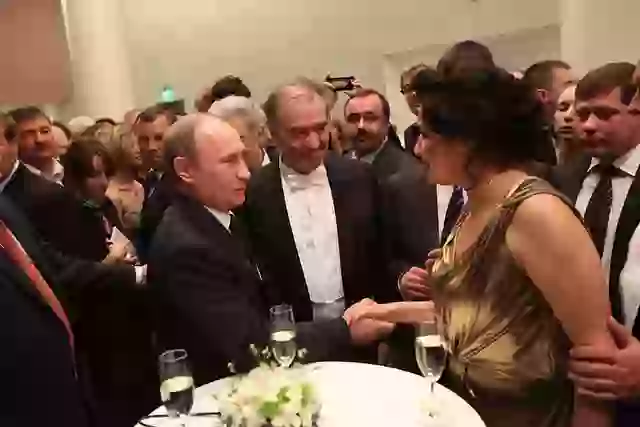
She also acknowledged meeting President Vladimir Putin only “a handful of times” at official events, such as award ceremonies and the Olympics, while stressing her commitment to art as a vehicle for peace
 Sasha Mordovets
The Guardian letter, organized with Sergiy Kyslytsya’s involvement, escalates the pressure by calling the Royal Opera “on the wrong side of history” for inviting her.
The unfolding situation with Anna Netrebko serves as a stark reminder of how public perception can dramatically impact the careers of high-profile artists. As a celebrated soprano, Netrebko finds herself facing intense scrutiny not only for her musical talent but also for alleged connections to political figures like Vladimir Putin. This controversy has prompted calls for her removal from the Royal Ballet and Opera’s upcoming London season, illustrating how quickly public opinion can shift against an individual. The calls for her dismissal highlight the precarious nature of fame, where personal affiliations can overshadow professional achievements. In the world of performing arts, maintaining a positive public image is essential, and for Netrebko, this moment exemplifies the fine line that artists must navigate between their public personas and private lives. The pressure to conform to the expectations of the audience can create significant challenges, potentially stifling opportunities in an already competitive field.
Netrebko has repeatedly rejected accusations of political allegiance. In March 2022, shortly after Russia’s full-scale invasion of Ukraine, she released a statement on Facebook condemning the war. “My thoughts are with the victims of this war and their families,” she wrote, clarifying that she was not aligned with “any leader of Russia” and regretted if past actions had been misinterpreted.
She also acknowledged meeting President Vladimir Putin only “a handful of times” at official events, such as award ceremonies and the Olympics, while stressing her commitment to art as a vehicle for peace. “I love my homeland of Russia and only seek peace and unity through my art,” she said.
Her general manager, Miguel Esteban, has since defended her, stating that Netrebko has issued multiple condemnations of the war across interviews and social media. He also emphasized that she has not returned to Russia since the invasion began.
Despite mounting calls to act, the Royal Opera House has so far declined to comment on whether Netrebko’s performances will go ahead as planned.
Social Identity Theory, proposed by Henri Tajfel, might also explain the public's reaction to Netrebko. In this case, Netrebko's alleged links with Putin might have placed her in an 'out-group', leading to negative sentiments and calls for her removal.
Anna Netrebko's predicament underscores the intricate dynamics of public perception in the realm of the arts.
Her London spotlight may be getting replaced, but the political noise around it is not going anywhere.
Before you even click links, see how experts warn Gmail users about a texting scam.

Damjan