What Happened to a Teenager’s Pony After a Zoo’s Unusual Request
Aalborg Zoo asked the public to donate 'healthy' unwanted pets to feed its predators.
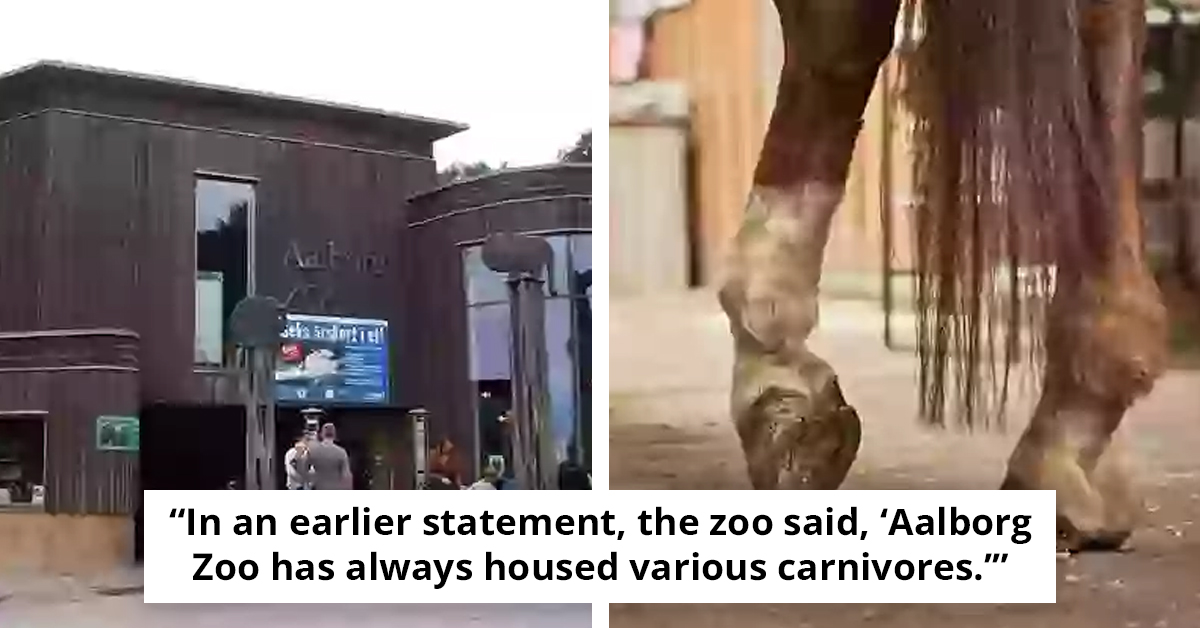
Aalborg Zoo asked a Danish family for something most people cannot even say out loud, and the request turned a heartbreaking pony goodbye into a full-blown public fight.
Here’s the messy part: a 13-year-old named Angelina was already carrying the trauma of seeing another family horse taken away for euthanasia, and then her family got a new situation. Aalborg Zoo said that if a healthy animal has to leave, families can donate it so predators can follow the natural food chain. Angelina chose to donate her own pony, Chicago 57, after her mom, Sohl, explained how she framed the decision.
What happened next shows how fast grief, pet love, and moral outrage can collide.
In its statement, Aalborg Zoo explained, "In zoos, we have a responsibility to imitate the natural food chain of the animals—in terms of both animal welfare and professional integrity. If you have a healthy animal that has to leave for various reasons, feel free to donate it to us."
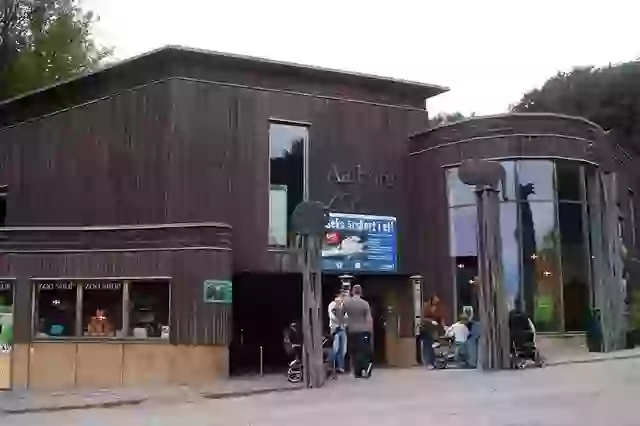
Speaking to The Times, Sohl said, "It might sound very dramatic and bizarre that you would feed your pet to animals in the zoo. But they are going to be put down anyway, and it is not like they are alive when they are given to the predators."
She explained that the decision was left to her daughter, who was 13 at the time. Angelina had previously endured the trauma of watching another family horse taken away by a vet for euthanasia.
Wanting to give meaning to her pony’s death, Angelina decided to allow Chicago 57 to be donated to the zoo, saying she wanted him "to follow the food chain" and benefit other animals.
When Aalborg Zoo said the donation was about “animal welfare” and “professional integrity,” the internet did not buy it, especially after Angelina’s previous horse was taken for euthanasia.
The public's fierce reaction to Aalborg Zoo's unusual request for healthy unwanted pets can be understood through the lens of moral outrage. The idea of donating beloved animals to serve as food for predators strikes a profound chord with many, as it fundamentally challenges the ethical treatment of pets. The zoo's call for donations has been interpreted as a breach of the societal norms surrounding pet ownership. Many pet owners view their animals as family members, and the notion of them being offered as prey is not only unsettling but also offensive to deeply held values regarding companionship and care. This emotional response is indicative of a broader societal expectation that pets should be treated with dignity and respect, highlighting the complexities of human-animal relationships in contemporary society.
The mother explained that her daughter made the choice herself to donate her beloved pony's body to the zoo
 Darya Komarova
Sohl’s explanation to The Times, that the animals were going to be put down anyway, only made the whole “follow the food chain” idea feel more brutal to people watching from the outside.
Sohl, who runs a small farm in Assens where children with mental health challenges spend time with horses, emphasized that the 150-mile journey to Aalborg Zoo was not stressful for Chicago 57, as he was accustomed to traveling by trailer.
She was present when he was euthanized by bolt gun, describing the process as humane and dignified. "There was a zookeeper standing there cuddling and kissing him, as if it were me standing with him. I got to say a final goodbye," she recalled.
Afterward, she learned that the pony’s carcass had been fed to the zoo’s lions. Sohl confirmed that she received no payment for the donation, stressing that the decision was made out of respect for the natural cycle rather than for financial reasons.
This also echoes Marius Els rescuing a hippo from floodwaters, only for the story to end in tragedy, in Tragic End For Man Who Treated Hippo Like Family.
Aalborg Zoo has defended its policy, saying that feeding whole animals to carnivores provides a more natural diet than processed meat.
In a previous statement, the zoo said, "At Aalborg Zoo, we have always had various carnivores. They fill a central niche in ecosystems and play a crucial role in the balance of nature."
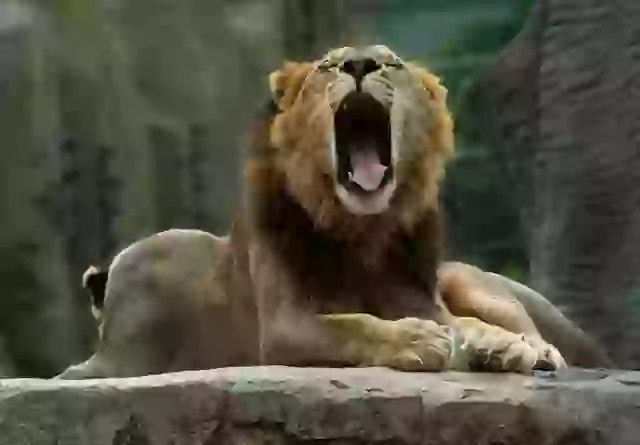
The horse was fed to the zoo's lions
 HY. JIANG
The fact that Angelina made the choice herself, at 13, is exactly what turned a private family decision into a public moral argument.
This story highlights the deep emotional bonds children form with their pets, such as a pony.
And once the 150-mile journey to Aalborg Zoo enters the picture, Chicago 57’s fate stops being a rumor and becomes a story people can’t stop reacting to.
The zoo noted that providing predators with fur, bones, and whole carcasses is essential for their physical health and natural instincts.
They added, "Therefore, it makes sense to allow animals that need to be euthanized for various reasons to be of use in this way. In Denmark, this practice is common, and many of our guests and partners appreciate the opportunity to contribute."
Typical donations include chickens, rabbits, guinea pigs, and horses.
While the practice continues to divide opinion, Sohl stands by her and her daughter’s decision, describing it as both practical and compassionate. To her family, it was a way to ensure that Chicago 57’s life and death had meaning beyond the boundaries of their farm.
The situation surrounding the Danish mother’s decision to give her daughter’s pony to Aalborg Zoo illustrates the profound emotional conflict many face when confronted with difficult choices. The zoo's unusual request for healthy unwanted pets to feed its predators sparked intense backlash, forcing individuals like the mother to grapple with their values. She likely experienced a significant internal struggle as she weighed her attachment to the pony against the zoo’s needs. This cognitive dissonance, where her desire to assist the zoo clashed with her emotional bond to the pony, can create considerable stress. In such scenarios, individuals often feel compelled to make swift decisions to alleviate their discomfort. This mother’s resolution to donate her beloved pony underscores the complexities of navigating conflicting emotions in a situation that challenges both personal values and societal expectations.
This incident reflects the intricate web of emotions and attachments that can influence difficult decisions.
Even when the zoo calls it a food chain, this family’s grief does not feel like anything close to normal.
Then see how a nine-year-old strangles animals at a petting zoo, without remorse, in this chilling case.

Damjan