McDonald’s Japan Issues Apology After Unexpected Backlash to New Happy Meal Campaign
Many resellers bought Happy Meals in bulk, grabbing the cards and toys while discarding the food itself.
McDonald’s Japan thought it was launching a cute, harmless Happy Meal promotion. Instead, it triggered a full-on trading card style frenzy, with Pokémon collectors and resellers snapping up toys meant for kids and families.
Here’s the messy part: people complained that resellers were exploiting the campaign, while others said McDonald’s should have put tougher limits in place from the start. And once those Pokémon cards started showing up online for hundreds of dollars, the frustration turned from “oops” into “how is this still happening?”
Now the company is apologizing publicly, and you can practically hear the scramble to fix the damage.
The backlash came quickly. Fans criticized resellers for exploiting a promotion meant for children and families, while others faulted McDonald’s for not implementing stronger restrictions. With Pokémon cards reselling online for hundreds of dollars, frustration only grew as genuine customers were left empty-handed.
The Allure of Collectibles: A Psychological Perspective
Collecting items, such as the toys from Happy Meals, can be traced back to our psychological needs. These needs may involve the desire for control, possession, and completion. Moreover, when these items are perceived as scarce or limited, it may trigger an irrational behavior known as scarcity bias, which can enhance their perceived value.
McDonald's Latest Happy Meal Toys Have Caused Quite the Stir in Japan
 Toru Hanai
The backlash hit fast after fans noticed resellers were wiping out Happy Meals, leaving real families empty-handed during the Pokémon card rush.
In response, McDonald’s Japan released a formal apology, admitting that the company had underestimated the demand. In a statement shared with AP on August 11, the chain said:
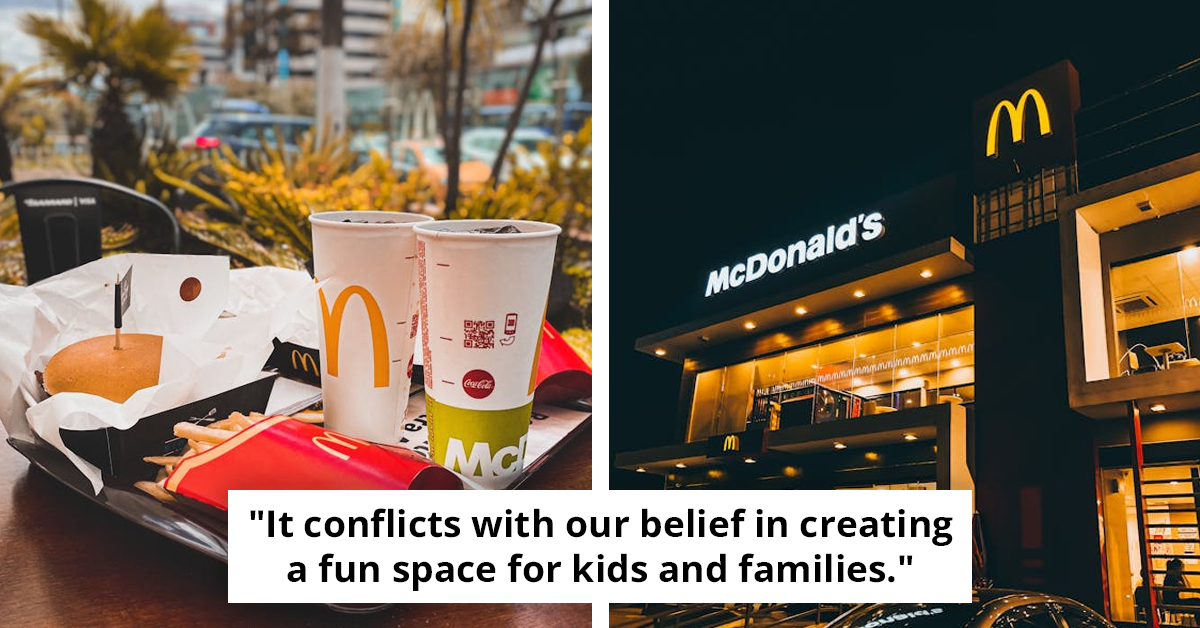
"We do not believe in abandoning and discarding food. This situation goes against our longtime philosophy that we have cherished as a restaurant to ‘offer a fun dining experience for children and families.’ We sincerely accept that our preparations had not been adequate."
The Company Has Since Issued a Statement Apologizing and Outlining How They Plan to Fix the Issue
 Justin Merriman
That’s when McDonald’s Japan admitted it underestimated demand, calling out that their preparations were not adequate in a statement shared with AP on August 11.
It also echoes a UK officer dismissed for deceptive tactics while claiming to work remotely.
The company also outlined measures to prevent a repeat of the incident. These include placing strict limits on the number of Happy Meals each customer can purchase, ending online orders during promotions, and reserving the right to refuse service to anyone breaking the rules.
In its closing remarks, McDonald’s emphasized a return to the original purpose of the Happy Meal.
"We vow to return to the basics of what lies behind the Happy Set, which is about helping to bring smiles to families so we can contribute to the wholesome development of the hearts and bodies of children, who are our future."
Then the brand rolled out new rules, including strict purchase limits, stopping online orders during promotions, and reserving the right to refuse service to rule-breakers.
The incident highlights the challenges brands face when collaborating with collectible franchises. While promotions like these are designed to spark joy, the secondary market for rare items often fuels chaos, overshadowing the original intent. For McDonald’s Japan, the hope now is that future campaigns will bring excitement without leaving behind waste and controversy.
The unexpected backlash to McDonald's Japan's latest Happy Meal campaign highlights the complex interplay of nostalgia in consumer behavior. Happy Meals, or "Happy Sets," have long been cherished as a nostalgic treat, eliciting fond memories for many adults. This emotional connection can significantly influence purchasing decisions, particularly when collectible items are involved. By attempting to appeal to this nostalgia, McDonald's aimed to engage both children and adults, but the reaction suggests that the execution may have missed the mark, leaving fans feeling alienated rather than reminiscing about their joyful experiences. The company's swift apology indicates an awareness of how deeply nostalgia can affect brand loyalty and consumer sentiment, revealing the delicate balance needed when tapping into such powerful emotions.
And just like that, the whole point of the Happy Set got shoved to the front again, with McDonald’s promising a return to smiles for children and families, not resale profits.
Marketing strategies like the Happy Meals campaign can significantly influence consumer behavior. However, when such campaigns result in waste or negative behaviors, companies may need to reassess their strategies to uphold ethical standards.
The recent backlash against McDonald's Japan's Happy Meal campaign underscores the intricate relationship between consumer psychology and marketing strategies. The promotion, intended to evoke nostalgia and joy, instead ignited discontent among fans who felt the campaign deviated from its beloved essence. This incident illustrates how the desire for control and familiarity can shape consumer expectations, and when those expectations are not met, the backlash can be swift and severe. Companies must recognize that while marketing strategies can effectively leverage emotional connections, they also carry the responsibility of ensuring that such campaigns resonate positively with their audience. The apology issued by McDonald's Japan serves as a reminder that ethical considerations should be at the forefront of promotional efforts. By reflecting on these lessons, businesses can refine their approach, fostering a stronger bond with consumers and avoiding potential missteps in the future.
The apology is nice, but Japan just learned how fast a Happy Meal can turn into a marketplace.
Fans think McDonald’s apology is messy, but wait until you read what experts say about Punch the monkey’s “sadness” might really be.

Damjan