Tom Cruise 'Reveals' Reason For Rejecting Trump's Invite To Kennedy Center Honors
Trump supporters reacted strongly on social media.
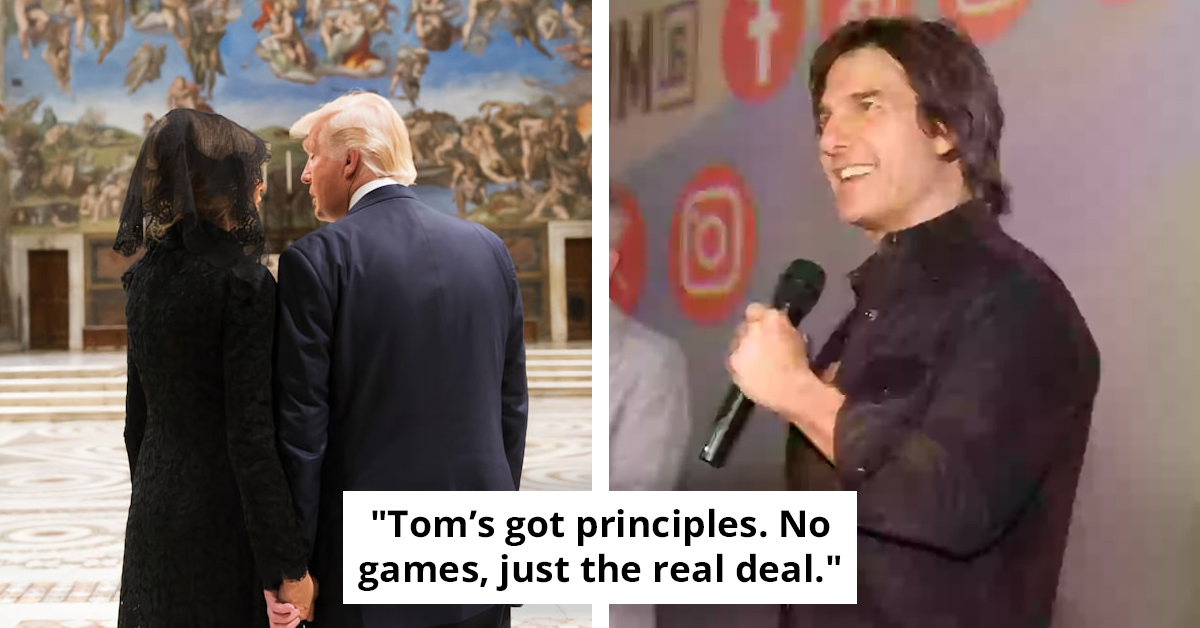
Tom Cruise turning down an invite to the Kennedy Center Honors has turned into the kind of headline that instantly becomes a political Rorschach test, even when the explanation is supposedly boring. Still, the internet did what it always does: Trump supporters slammed Cruise on X, while other fans defended him for staying out of politics.
And once the Mission: Impossible star brushed off Trump’s tariff questions last month, the whole thing started to feel less like logistics and more like a statement.
Trump is said to have been knocked back by Cruise
 Unsplash
The paper reported that Cruise turned down the invitation due to "scheduling conflicts," citing sources connected to the Kennedy Center. The explanation made no mention of politics or ideology.
Despite this, Trump supporters reacted strongly on social media. One user on X (formerly Twitter) wrote, "Massively disrespectful. Shame on Tom Cruise." Another said, "Disappointed in Tom Cruise if true."
Yet many others applauded the actor’s decision to remain focused on his craft. One fan commented, "Smart. Best to stay out of politics," while another wrote, "Tom's got principles and won't play political games. Respect for staying true to himself."
That “scheduling conflicts” claim is what kicked off the whole mess, right after Cruise’s name hit the Kennedy Center Honors rumor mill.
The strong reactions on social media following Tom Cruise's decision not to attend the Kennedy Center Honors highlight a psychological phenomenon often seen in polarized environments. This tendency, known as groupthink, leads individuals to prioritize consensus over critical evaluation. In the context of Trump's upcoming event, the fervent responses from supporters may reflect a desire to unify around a figure they admire, potentially stifling dissenting opinions. This dynamic raises questions about how celebrity choices, like Cruise's, can provoke intense collective responses and reveal the underlying tensions within the political landscape.
Trump supporters reacted strongly on social media.
 Richard Rodriguez for Paramount Pictures
Then the comment section exploded, with one X user calling it “Massively disrespectful” and another saying Cruise should “stay out of politics.”
Cruise has consistently maintained that he prefers not to engage in political debates. Just last month, during a press conference for the newest Mission: Impossible installment, he was asked about Trump’s tariff policies.
Cruise brushed the question aside, responding, "We’d rather answer questions about the movie. Thank you." His reply reinforced the idea that he prefers to keep his platform centered on entertainment rather than politics.
As Tom Cruise’s “scheduling conflicts” sparked backlash, it echoes Trudi Burgess confronting authorities over years of abuse.
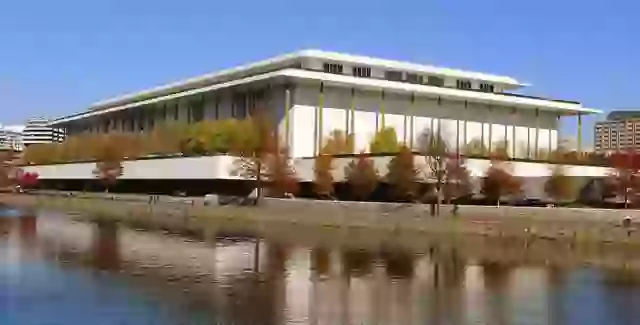
The Kennedy Center was opened in 1971 in honor of JFK
 Google Maps
The backlash and praise got even louder once people remembered Cruise dodging a question about Trump’s tariff policies at his press conference, saying, “We’d rather answer questions about the movie.”
The decision by Tom Cruise to decline an invitation to the Kennedy Center Honors, hosted by President Trump, raises intriguing questions about the dynamics of celebrity and politics. This rejection can be seen as a calculated move to preserve his carefully crafted public image. The notion of impression management is particularly relevant here, as Cruise navigates the complex landscape of Hollywood and its relationship with political figures. By stepping back from this event, he may be signaling a desire to distance himself from the polarizing nature of the current political climate, thereby reinforcing his brand as an artist focused on his craft rather than political affiliations. This strategic choice highlights the ongoing negotiation between personal beliefs and public perception that many celebrities face today.
The Kennedy Center itself has also been the subject of political discussion in recent months, which may explain the sensitivity surrounding the event.
Established in 1971 to honor President John F. Kennedy, the institution recently made headlines when Trump’s administration proposed renaming the Kennedy Center Opera House in honor of First Lady Melania Trump. Officials claimed the change would recognize her "support and commitment in promoting the arts and humanities."
Now that the Kennedy Center, opened in 1971 in honor of JFK, is tied to this drama, every reaction looks like it’s about more than one invite.
Adding to the controversy, Trump was appointed chairman of the Kennedy Center earlier this year and quickly replaced several long-serving board members. The move stirred criticism from those who saw it as political overreach into a cultural institution that has traditionally tried to remain above partisan battles.
Against this backdrop, Cruise’s decision to decline may be less about personal politics and more about avoiding controversy altogether. With passions running high on both sides, stepping away from the event allows him to maintain the neutrality he has long cultivated.
The 48th Kennedy Center Honors will still proceed with its slate of celebrated honorees, but Cruise’s absence ensures the conversation around the event will extend far beyond the stage in Washington.
Tom Cruise's decision to reject the invitation to the Kennedy Center Honors highlights a significant tension between personal beliefs and public expectations. This choice is not merely a personal preference; it reflects a broader struggle many individuals face when their values clash with the status quo. The potential backlash from fans and critics alike suggests that Cruise's actions may prompt audiences to engage in self-reflection about their own beliefs and the implications of supporting or opposing figures in the entertainment industry. This dynamic reveals how celebrity decisions can resonate deeply, igniting discussions about personal integrity versus public persona in a politically charged environment.
Tom Cruise's refusal to accept an invitation to the Kennedy Center Honors, hosted by President Trump, highlights the intricate dynamics of celebrity culture intertwined with political affiliations. His choice reflects broader societal themes regarding personal integrity and public perception. This situation can be analyzed through various psychological frameworks. Goffman's Dramaturgical Approach sheds light on how public figures manage their images in different contexts. Additionally, Janis's Groupthink theory illustrates how group dynamics can influence individual decisions, particularly in environments charged with political implications. Jost's System Justification Theory further elucidates how individuals rationalize their choices in relation to prevailing social norms. Ultimately, Cruise's decision is not merely personal; it represents a significant commentary on the intersection of art, politics, and the responsibilities of public figures in navigating these turbulent waters.
Cruise may have meant it as scheduling, but the internet heard a whole political plot.
Wait, experts are debating whether Punch the monkey’s “sadness” is real after abandonment, too.

Damjan