
Is ‘Bed Rotting’ Just Resting Or A Red Flag For Mental Health
Dr. Deborah Lee, a sleep expert, explains 'bed rotting.'
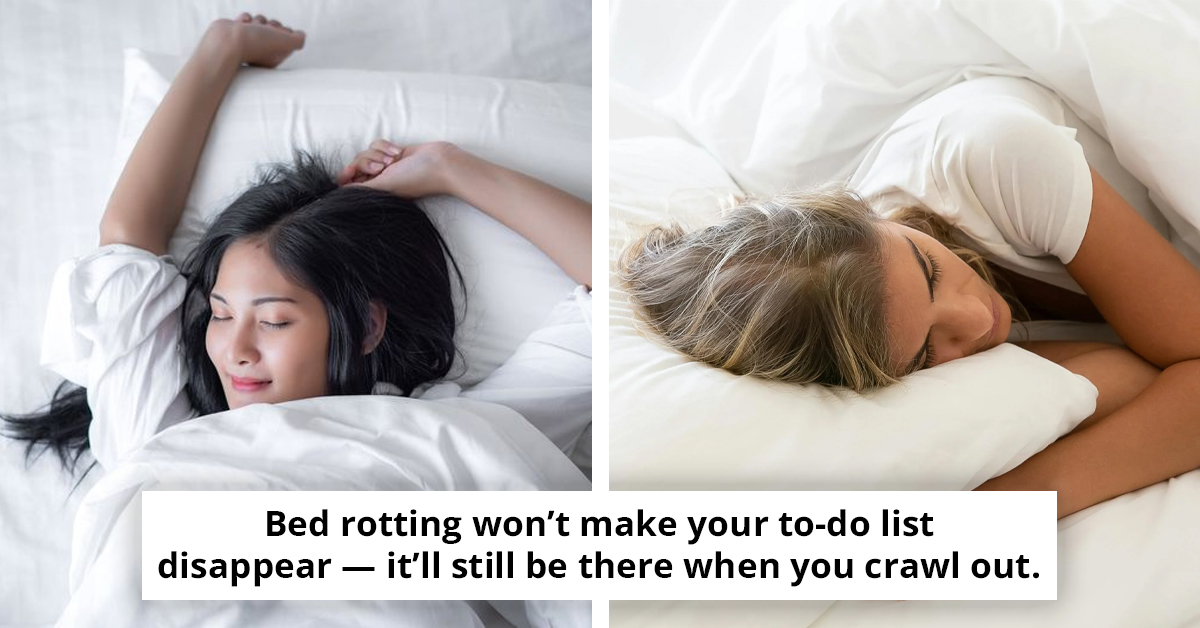
A 28-year-old woman called it “bed rotting” like it was just a quirky name for doing absolutely nothing. But her mornings kept turning into afternoons, and her “I’ll handle it later” energy started stacking up, until the to-do list felt louder than her alarm.
At first, it looked like harmless rest, the kind where you stay under the covers because life is busy and everything feels like too much. Then she fell into the loop, where avoiding real-life tasks felt easier than facing them, and suddenly breakfast, sunlight, and even basic movement became the battleground.
What starts as relaxing quickly turns into a red flag, because the list waits, no matter how long you stay in bed.
"Some people will take to ‘bed rotting’ to avoid real-life work, but in reality, the to-do list will still be there when they finally take themselves out of bed. It’s very much an ‘ignorance is bliss’ approach to important admin tasks."
 iStock
Her excuse sounded reasonable at first, but the to-do list still showed up the second she finally dragged herself out.
Still, not everyone turns to bed rotting for the right reasons.
Meanwhile, the relentless pace of modern life made her “bed rotting” feel less like laziness and more like an escape route.
Mental Health Perspectives
This behavior can be a response to modern life's relentless pace and pressures.
It’s a similar family standoff to the bride who excluded her parents for refusing to accept her non-binary partner.
The moment she tried to fix it, the smallest things got suspicious, like skipping breakfast and then blaming her energy levels for the next crawl back into bed.
How to Avoid 'Bed Rotting': Dr. Lee Shares Five Tips to Get Up and Stay Up
To help people avoid falling into the habit of bed rotting for extended periods, five practical steps can make mornings easier and reduce the temptation to crawl back under the covers.
1. Breakfast is key
“It might be easy to just grab a breakfast bar or put some bread in the toaster, but a breakfast that is rich in both carbohydrates and protein should make you feel more alert quickly and should prevent you from getting back into bed.
"Avoiding sugar in the mornings is a great way to feel more alert.”
Starting the day with a balanced meal helps stabilize energy levels and sets a positive tone for the hours ahead. Avoiding sugar crashes can keep you motivated and prevent a return to bed.
2. Morning exercise
“There aren’t many people who wake up in the morning and get excited by the thought of morning exercise. However, research has shown that doing a 30-minute workout with moderate effort will help you wake up a lot quicker than if you don’t exercise, reducing sleepiness. Doing some morning steps will help you stay out of the bedroom later on in the day.”
Even light movement in the morning can boost circulation and energy, helping the body shake off any lingering sleepiness.
3. Light up the room
“When your eyes see light in the morning, it sends signals to your brain that it’s time to wake up. If you have blackout curtains, this can be really confusing for the mind, and you’ll naturally want to stay in bed for long periods.
“Invest in a night lamp so that you can turn it on first thing in the morning. However, if you can utilize natural light by opening the curtains and getting outside as soon as possible, then that’s a better option.”
Exposure to light, especially natural daylight, supports your internal body clock and encourages a more active start to the day.
He points out that 'bed rotting' could indicate a withdrawal from responsibilities as a means of self-preservation.
However, prolonged disengagement can hinder emotional growth and lead to feelings of guilt or shame, particularly in high-achieving individuals.
Fostering emotional intelligence through mindfulness practices and setting achievable goals can promote healthier coping mechanisms. This approach encourages individuals to balance rest with active engagement in life.
By the time she turned to light up the room, even blackout curtains felt like they were helping her stay stuck, long after she wanted to move on.
While 'bed rotting' may appear to be a benign trend celebrated on social media, it raises significant concerns about potential underlying mental health issues. The phenomenon, which has captivated millions on TikTok, reflects a deeper cultural conversation about how we manage rest and self-care. This trend could indicate a need for individuals to escape the pressures of daily life, suggesting that what starts as a moment of relaxation might evolve into a pattern of avoidance.
To truly promote mental well-being, it is essential to balance rest with structured activities and meaningful social interactions. Recognizing the motivations behind 'bed rotting' is crucial. By doing so, individuals can begin to address the root causes of their behavior, paving the way for healthier habits that reinforce resilience and foster emotional growth amid life's challenges.
Nobody wants to live in the same cycle where rest turns into avoidance and the list keeps growing.
Bed rotting isn’t the only way people avoid conflict, see how one roommate used your utilities for a secret side business.

Damjan