Netflix Is Developing a Live-Action Series, and Fans of The Last of Us and Fallout Are Paying Attention
The streaming giant is diving deeper into the world of video game adaptations
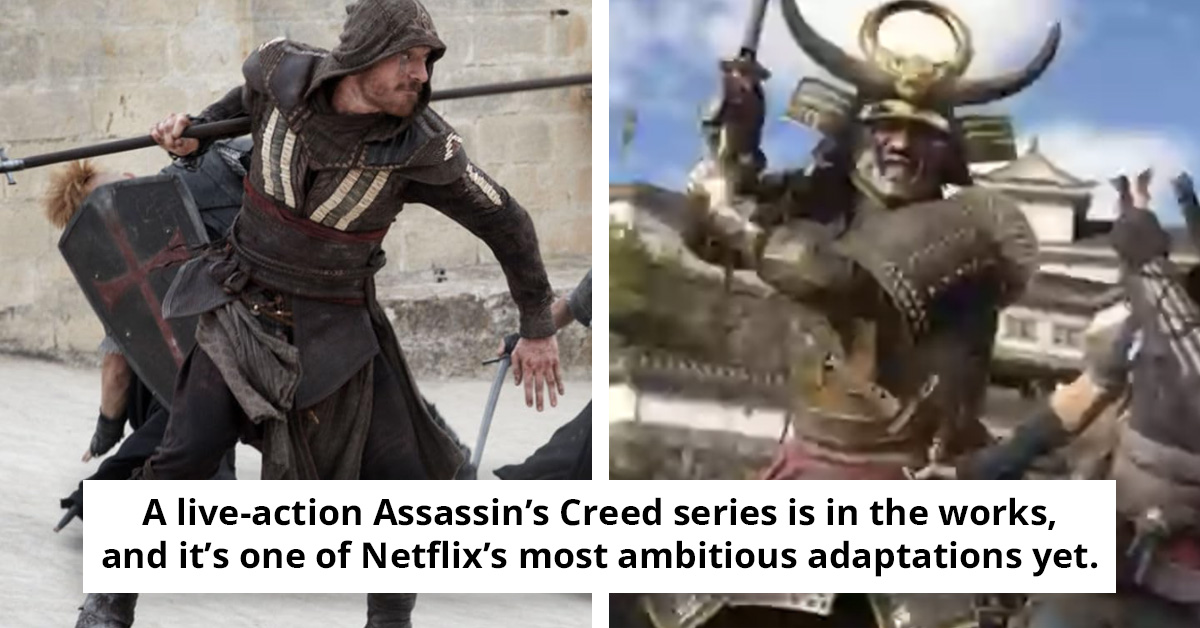
Netflix is taking another big swing at video game adaptations, and this one has Assassin’s Creed stamped all over it. A live-action series is officially in development, and the people behind it are talking like they want more than just parkour and spectacle.
Roberto Patino and David Wiener, both known for darker, character-driven TV, are set as creators and showrunners. They’re working with Ubisoft, and they’re aiming to dig into the “human story” beneath the action, the identity questions, the power and vengeance, and the connections that get ripped apart across time and cultures.
The best part is, this is shaping up to feel like the kind of adaptation fans of The Last of Us and Fallout won’t be able to ignore.
A live-action Assassin’s Creed series is officially in the works — and it's shaping up to be one of the most ambitious adaptations Netflix has taken on.
 Ubisoft
Behind the scenes, the series is being helmed by Roberto Patino (Westworld, DMZ) and David Wiener (Brave New World, Homecoming). The duo will serve as creators, showrunners, and executive producers. Their vision for the adaptation aims to delve deeper than just the action and spectacle fans might expect.
“We've been fans of Assassin's Creed since its release in 2007,” the creators shared. “Every day we work on this show, we come away excited and humbled by the possibilities that Assassin's Creed opens up to us.”
They added, “Beneath the scope, the spectacle, the parkour, and the thrills is a baseline for the most essential kind of human story — about people searching for purpose, struggling with questions of identity, destiny, and faith.”
Patino and Wiener’s “we’ve been fans since 2007” energy is the kind that makes Ubisoft’s involvement feel way more personal than PR.
Moreover, people who identify as fans often feel a sense of belonging to a community, which contributes to their well-being. This social phenomenon, known as 'collective identity,' can enhance self-esteem and provide a sense of purpose, supporting the hype surrounding new adaptations like the Assassin's Creed series.
There’s no official release date yet, but as production gears up, fans can expect updates soon
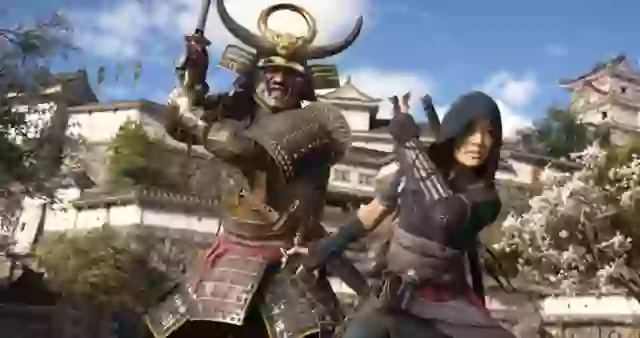 Ubisoft
And once they start pitching the show as power, violence, greed, and vengeance wrapped around human connection, it stops sounding like a hype trailer and starts sounding like a plot.
Patino and Wiener aim to bring a broader emotional core to the series, exploring deeper themes alongside the high-stakes action.
“It is about power, violence, sex, greed, and vengeance. But more than anything, this is a show about the value of human connection, across cultures and across time. And it's about what we stand to lose as a species when those connections break.”
They also emphasized the strength of the collaboration behind the scenes.
“We've got an amazing team behind us with the folks at Ubisoft and our champions at Netflix, and we're committed to creating something undeniable for fans all over the planet.”
This is the same kind of chaos as Ross getting roasted in Friends memes for his “Jeez” moment.
The 2016 film, starring Michael Fassbender, failed to make an impact with either critics or longtime fans.
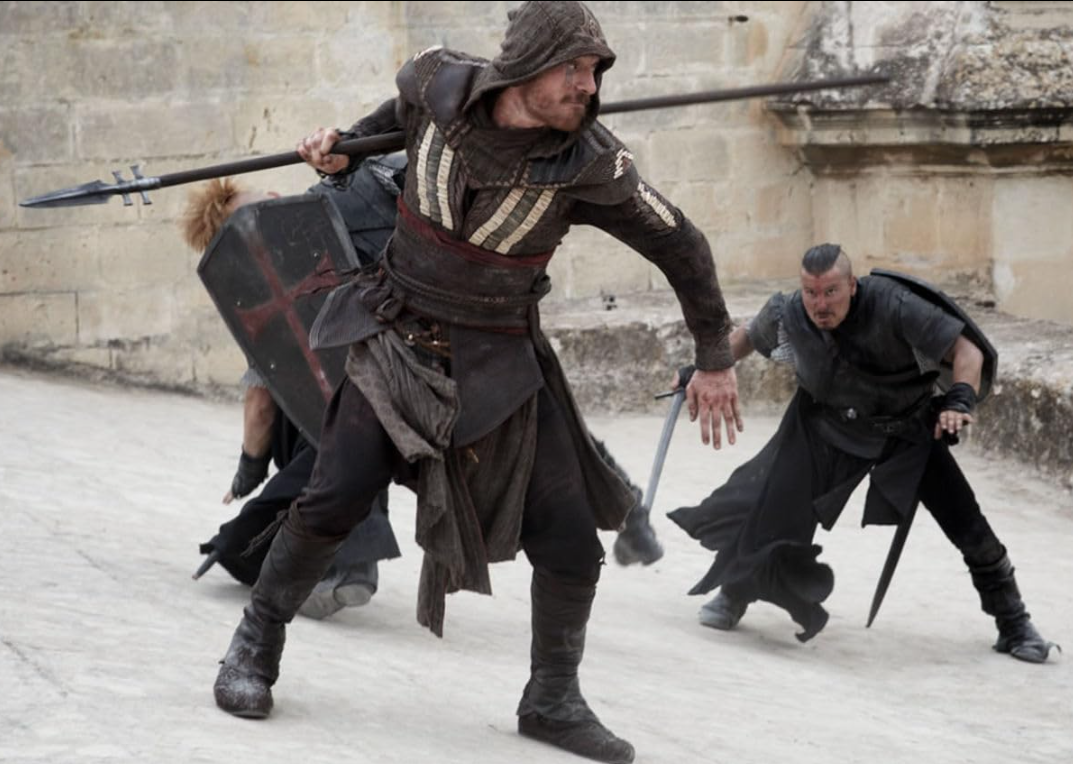 IMDB
IMDB
The fact that the 2016 Fassbender film “failed to mak” only adds pressure, because Netflix has to prove it can land this franchise without losing the soul.
The excitement surrounding Netflix's latest venture into live-action adaptations highlights a profound connection between fans and their favorite video game characters. This phenomenon is rooted in the concept of parasocial interaction, where viewers form emotional bonds with fictional figures. As fans eagerly await new adaptations, they are not just looking for entertainment; they are seeking a continuation of their relationships with these beloved characters. This desire for ongoing engagement fosters a sense of community among viewers, especially as they transition from successful series like The Last of Us and anticipate what Netflix has in store. Such adaptations are more than just new shows; they represent an opportunity for fans to reconnect with the narratives and characters that resonate deeply with them.
While The Last of Us and Fallout have set a new standard for video game-to-TV adaptations, it’s worth noting that Assassin’s Creed already had one swing at live-action. The 2016 film, starring Michael Fassbender, failed to make an impact with either critics or longtime fans.
It currently holds a dismal 18 percent rating on Rotten Tomatoes, a reminder that even a strong IP needs the right creative team to succeed.
This time, though, there’s cautious optimism.
There’s no official release date yet, but as production gears up, fans can expect updates soon. If you’ve been searching for your next genre fix, this one is worth keeping on your radar.
If you’re waiting for an official release date, just remember production is already gearing up, so the next update could hit fast once the series finds its footing at Netflix.
The excitement surrounding Netflix's upcoming live-action series is palpable, especially for fans who have already devoured The Last of Us on HBO and are eager for more content related to video game adaptations. This anticipation is not merely a fleeting emotion; it is a deeply rooted psychological response that enhances the viewing experience. As fans await the arrival of the Assassin's Creed series, they are likely experiencing a surge of dopamine that fuels their thrill and eagerness. This phenomenon illustrates why the lead-up to a new series can be just as exhilarating as the series itself, drawing in viewers who are hungry for immersive storytelling and rich narratives that video games often provide.
The buzz surrounding Netflix's upcoming live-action series illustrates a fascinating blend of psychological dynamics at play. Fans are not merely spectators; they engage in parasocial interactions that foster a sense of connection with the characters and narratives they adore. This phenomenon is particularly relevant for audiences who have already immersed themselves in the worlds of The Last of Us and Fallout. As anticipation builds for this new adaptation, it taps into a collective identity among gamers and series enthusiasts, creating a vibrant community eager for more content. The thrill of waiting for a new story to unfold provides not just entertainment but also a deep-seated reward, feeding into the desire for meaningful connections through shared experiences. The allure of video game adaptations lies in their ability to bridge these complex emotional landscapes, drawing viewers into a realm where they feel a part of something greater.
If Netflix nails this, Assassin’s Creed might finally stop being “the one that almost worked” and become the one everyone argues about.
For another family standoff, read about a sister demanding her nephew get a beloved game console.

Damjan