Meghan Markle’s Netflix Teaser Appears to Confirm Long-Standing Rumor About Prince Harry
Is it a matter of practicality?
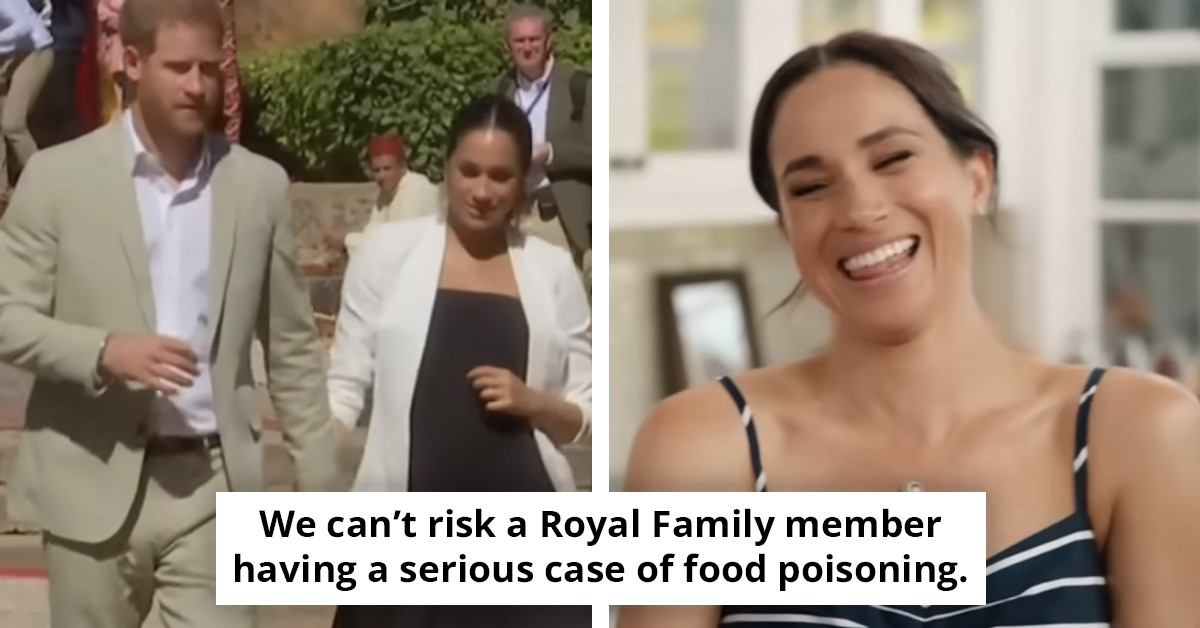
Meghan Markle’s Netflix teaser dropped a quote that sounds harmless until you realize it might be doing some heavy damage to a long-running royal rumor. The line, “Do you know who doesn’t like lobster? My husband,” hits like a throwaway joke, but royal-watchers hear confirmation.
Here’s the complicated part: the whole “no seafood” idea has been floating around for years, tied to food safety fears during public duties and overseas tours. It’s the kind of rule people swear is real, even though we’ve seen Charles at the Whitstable Oyster Festival in 2013 and old Windsor Castle menus featuring lobster soufflé.
And now, with Harry and Meghan’s own words landing on Netflix, that rumor has a new, very public spotlight.
“Do you know who doesn’t like lobster? My husband.”
That “my husband” line turns a casual Netflix moment into a direct callback to the supposed royal “no seafood” rule from the earlier royal butler claim about avoiding lobster and shellfish.
The Origins of the “No Seafood” Tradition
Grant Harrold, who served as a royal butler to King Charles III, told the Express earlier this year:
“It is a very sensible move to avoid having seafood when out and about on public duties. We don’t want a member of the Royal Family having a serious reaction to food poisoning, especially if they are on an overseas tour. Therefore, you will not normally find this on the royal menu.”
Given that lobster and shellfish can be riskier in terms of food safety, the theory holds weight. If Harry has chosen to avoid it entirely—both on and off royal duty—it would be an understandable precaution.
Meghan Markle's recent Netflix teaser serves as a fascinating example of how personal disclosures can unfold in unexpected ways. In this instance, Markle appears to have inadvertently confirmed a persistent rumor about Prince Harry, showcasing how easily personal revelations can slip into public discourse. This incident highlights the broader phenomenon where individuals, perhaps without intention, share personal information that can significantly impact relationships and perceptions. By revealing this detail, Markle not only adds layers to her narrative but also illustrates the delicate balance between privacy and public life that many in the royal family grapple with.
Suddenly, the Whitstable Oyster Festival photo of King Charles III and Queen Camilla in 2013 feels less like a fun exception and more like a contradiction Meghan just tossed into the mix.
Royal Rebels and Seafood Moments
Of course, as with many “royal rules,” there have been exceptions. King Charles III, for instance, was photographed at the Whitstable Oyster Festival in 2013 enjoying fresh oysters straight from the shell alongside Queen Camilla, a very public deviation from the supposed no-seafood guideline.
Even Queen Elizabeth II, often thought to be a traditionalist in such matters, was known to enjoy her fair share of fish and seafood. Former royal chef Darren McGrady shared a photograph of a 1989 menu from Windsor Castle showing “soufflé de homard” (lobster soufflé) as part of a royal dinner. The late monarch apparently had no qualms about indulging in lobster behind palace walls.
And if you’re wondering about “rules” from celebrities, Simon Cowell’s orange glasses are tied to a “mystery illness” claim.
Harry’s Preference: Rule or Taste?
So, is Harry’s avoidance of lobster really a matter of protocol, or is it simply a case of personal taste? Meghan’s tone in the clip suggests the latter, as if this is just one of those charming differences couples learn to live with.
But given his upbringing, it’s equally possible that years of subtle royal dining habits have influenced his palate.
And for fans of With Love, the revelation was just another example of how Meghan’s series blends lifestyle content with intimate moments. In the first season, she brought viewers into her Montecito home, whipped up signature dishes, and invited celebrity friends over for dinner parties.
Harry even made a surprise appearance in the finale, showcasing the easy domestic chemistry between them. Season two seems set to offer more of the same—plus the occasional unexpected royal tidbit.
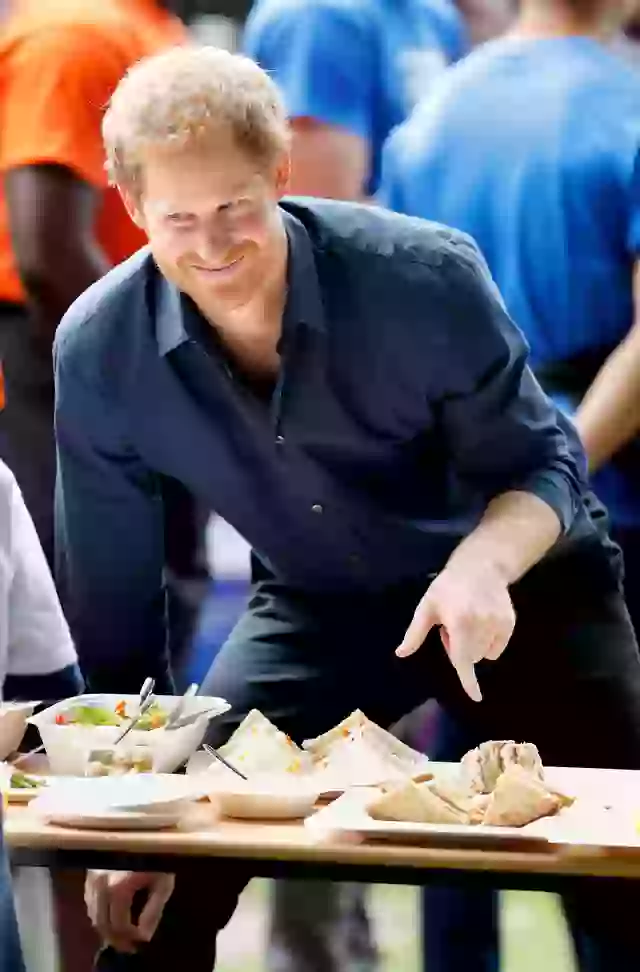
Harry is said to be actively against lobster
 Max Mumby/Indigo
Then there’s Darren McGrady’s 1989 Windsor Castle menu with “soufflé de homard,” which makes Harry’s alleged lobster dislike sound either wildly consistent or hilariously selective.
A Peek Behind the Curtain
While it’s hardly the biggest royal scandal, Meghan’s offhand comment adds to the public’s ongoing fascination with the couple’s private life. The Duke and Duchess of Sussex may have stepped back from official royal duties, but moments like this prove they still carry an aura of intrigue—and that their everyday choices, even something as simple as what’s on the dinner table, can spark conversation.
Whether it’s protocol, preference, or a combination of both, one thing’s for sure: lobster won’t be making an appearance at the Sussex dinner table anytime soon.
By the time the teaser frames Harry’s preference as something Meghan can casually drop, the rumor stops being “maybe” and starts feeling like a headline.</p>
The recent trailer for Meghan Markle's Netflix series subtly hints at a significant personal revelation regarding Prince Harry, aligning with the principles of interpersonal communication theories. As relationships evolve, individuals often share more intimate details, fostering deeper connections. This dynamic is particularly relevant in the context of Markle's public persona and her relationship with the audience. By revealing aspects of her life with Harry, she not only strengthens her narrative but also invites viewers into their world, creating a sense of intimacy that can resonate with fans. This strategic self-disclosure may enhance their perception of her authenticity and the authenticity of their relationship.
This unexpected revelation from Meghan Markle in the Netflix teaser not only sheds light on her relationship with Prince Harry but also highlights the intricate dynamics of self-disclosure in the public eye. By casually confirming a long-standing rumor, Markle demonstrates how celebrities navigate their personal narratives and the impact these revelations can have on their public personas. As viewers consume this content, it raises important questions about the psychological motivations behind such disclosures and the broader implications for celebrity culture in the digital age. The evolving relationship between personal storytelling and public perception warrants further exploration, particularly as more celebrities embrace platforms like Netflix to share their truths.
The lobster joke was supposed to be cute, but it basically turned Harry’s food preferences into royal legend overnight.
From Marvel megastars to box-office rivals, see how Scarlett Johansson lost her highest-grossing title.

Damjan