Johnny Depp Speaks on Trial and Names Three People Who Turned on Him
Loyalty Tested in the Harshest Spotlight
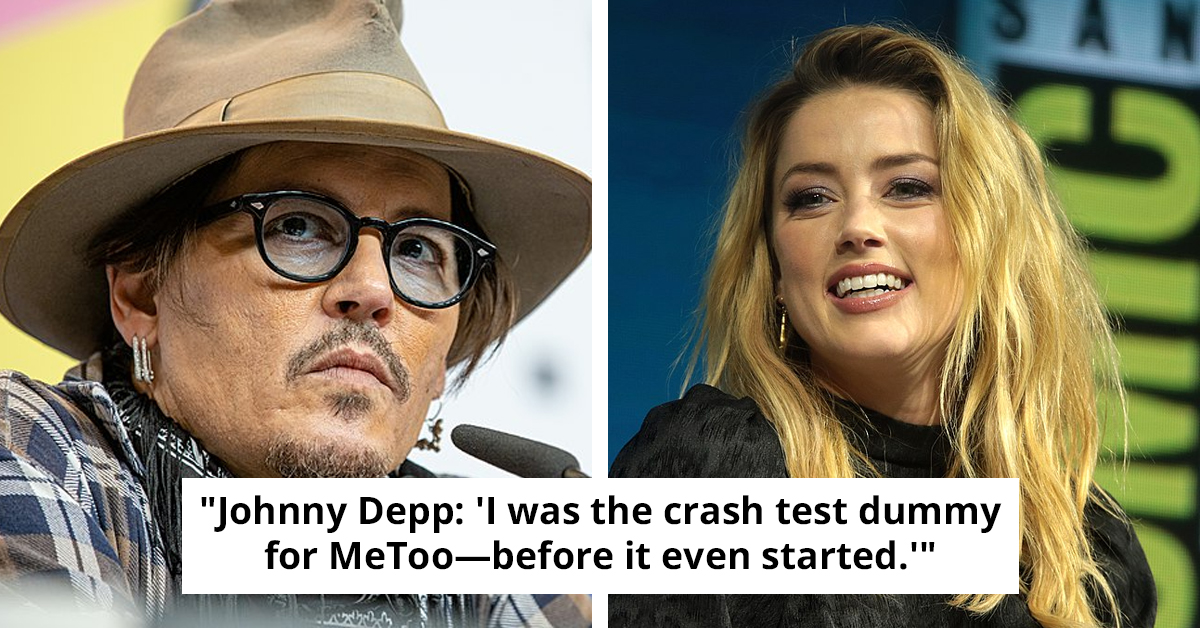
Johnny Depp didn’t just show up to talk about the trial, he came in swinging about betrayal, loyalty, and the people he says stuck around only when the money was good. In a recent sit-down with The Sunday Times, he framed the whole legal mess as “one of many betrayals,” and somehow managed to make it sound even messier than it already was.
Depp pointed at his former agent of 30 years, Tracey Jacobs, after she testified during the Amber Heard trial that studios were hesitant to work with him, blaming his behavior and, specifically, his habit of showing up late. Depp denies that claim, then went after the idea of fake support with the kind of sarcasm that makes courtroom drama feel like high school gossip. He also hinted at a tighter inner circle, saying there were “three” people who “did me dirty,” and yes, he connected it to them being at his kids’ parties.
Between the confetti comment and the kids’ party callout, Depp’s story is basically one long question: who really stood by him when it mattered?
Depp called the trial one of many betrayals, accusing his ex-agent and others of fake loyalty for money.
Talking to The Sunday Times, Depp made it clear that the legal battle wasn’t the only fight he faced.
“As weird as I am, certain things can be trusted,” he said. “And my loyalty is the last thing anybody could question.”
He then zeroed in on people who, in his eyes, sold him out when things got tough. One such person was his former agent of 30 years, Tracey Jacobs.
She testified during the Heard trial that studios were hesitant to work with Depp because of his behavior, mainly showing up late to sets. Depp denies that claim, and he didn’t mince words about how it felt to hear her speak against him in court.
“That’s death by confetti,” he said. “These fake motherf*ckers who lie to you, celebrate you, say all sorts of horror behind your back, yet keep the money, that confetti machine going, because what do they want? Dough.”
 commons.wikimedia
Depp’s rant about “fake motherf*ckers” and “dough” lands right after Tracey Jacobs testified, and it makes the courtroom feel personal, not just legal.
The betrayal still lingers. Depp didn’t name all the people he feels turned on him, but he hinted at a tight circle.
“I’ll tell you what hurts. There are people, and I’m thinking of three, who did me dirty,” he said. “Those people were at my kids’ parties, throwing them in the air.”
He called them out not just for walking away when things got complicated, but for pretending to be loyal friends in better times.
“And I wanted from the hundreds of people I’ve met in that industry to see who was playing it safe. Better go woke!”
Depp called himself a “crash test dummy for MeToo,” saying the backlash began before the movement.
Depp also placed himself within the broader context of Hollywood’s reckoning with abuse and accountability, saying he felt like a “crash test dummy for MeToo,” referencing the wave of public accusations that began after Harvey Weinstein’s arrest in 2018.
“I was pre-MeToo. It was before Harvey Weinstein. And I sponged it, took it all in,” he said. “I understand people who could not stand up [for me], because the most frightening thing to them was making the right choice.”
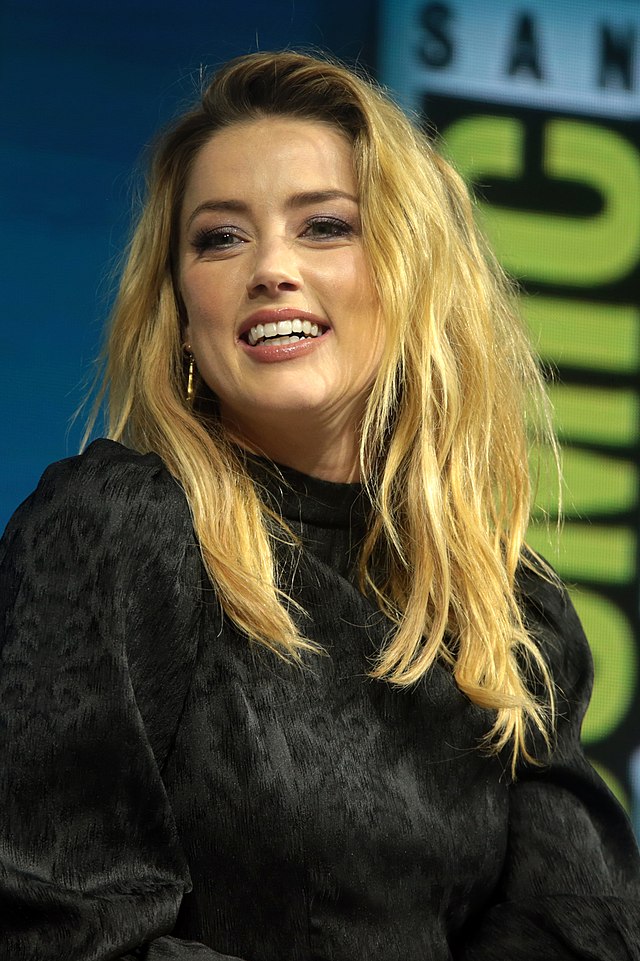 commons.wikimedia
That’s when he shifts from his agent to the “three” people he claims were throwing his kids in the air, then disappearing when things got complicated.
And while Depp names Tracey Jacobs as a betrayal, it’s a lot like Stranger Things ending debates that still split fans after nine years.
The bitterness gets even sharper as he adds that he wanted the industry to “see who was playing it safe,” because he thinks loyalty vanished the moment the spotlight turned.
Ultimately, both Depp and Heard appealed parts of the trial’s verdict, but they settled in December 2022. Heard agreed to pay $1 million to Depp, and both sides dropped the appeals.
Now, Depp seems less concerned with money or headlines and more focused on who stuck around and who didn’t.
loyalty is a cornerstone of healthy interpersonal dynamics.
Such strategies can significantly improve relationship resilience, especially in high-stress scenarios.
And then he drags Hollywood’s bigger timeline into it, calling himself a “crash test dummy for MeToo” before Harvey Weinstein’s 2018 fall-out changed everything.
Johnny Depp's recent interview reveals the profound emotional impact of betrayal, particularly in the context of his high-profile legal struggles with Amber Heard. The emotional scars he describes highlight the lasting effects of personal conflict that often extend beyond the courtroom. Depp's candidness about feeling let down by those he once considered allies illustrates a universal truth about human relationships and the pain that can accompany them.
By sharing specific instances of betrayal, Depp underscores the importance of recognizing and articulating our emotions in the healing process. This acknowledgment can serve as a catalyst for personal growth and resilience, allowing individuals to navigate their feelings with greater understanding. As Depp reflects on these challenges, it becomes evident that confronting emotional turmoil can ultimately lead to deeper connections and a renewed sense of self.
He’s not just arguing in court, he’s trying to figure out who clapped for him while quietly cashing in.
For celebrity interview chaos like when the guest answered off script and flipped the power dynamic, read this interview that went off script.

Damjan