The Shocking True Story of How Jack Nicholson Discovered His Sister Was Actually His Mother
“I was very impressed by their ability to keep the secret, if nothing else. It’s done great things for me.”
Jack Nicholson was already riding high in the early 1970s, with fame building fast and Chinatown moments away from theaters. Then, in 1974, a phone call-era bombshell turned his personal life into a full-blown mystery.
Time magazine was preparing a feature, and its researchers dug into Nicholson’s background and found details that did not add up. Even more wild, June, the woman he thought was his sister, allegedly gave birth to him.
Nobody expects a “family fact” to flip in the middle of a career peak, but that is exactly what happened next.
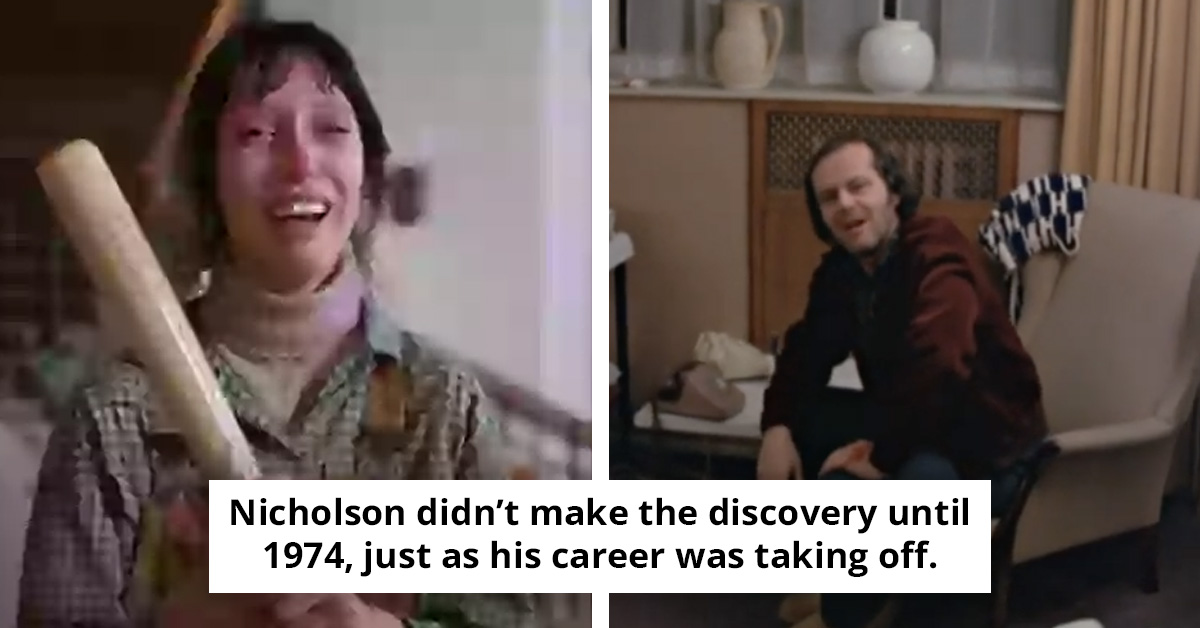
Nicholson's discovery didn’t come until 1974, as his career was gaining serious momentum
That’s when Nicholson reportedly asked Time to hold the story while he investigated the claim that his “father” might still be alive in Ocean Grove.
Nicholson's discovery didn’t come until 1974, as his career was gaining serious momentum. His noir classic Chinatown was about to hit theaters, and he was riding the wave of fame after a string of successful films.
At the time, Time magazine was preparing a feature on the actor. But as the magazine’s researchers dug into his background, they uncovered something that didn’t add up.
Before going to print, the journalists reached out to Nicholson and dropped a bombshell: they believed his real father was still alive and living in Ocean Grove, New Jersey. More stunningly, they had reason to believe that Ethel May wasn’t his biological mother at all — and that June, whom he thought was his sister, had actually given birth to him.
Understandably shaken, Nicholson asked the magazine to delay publishing so he could investigate the claims himself. He reportedly told them, “It’s the most f***ed up thing I’ve ever heard.”
The hidden truth about Jack Nicholson's family—discovering that his sister was actually his mother—serves as a poignant reminder of the psychological toll that secrets can exact. The article highlights how this revelation, unearthed when Nicholson was nearly 40, likely brought forth a wave of emotional turmoil, not just for him but also for those who kept the secret. The strain of such a profound family dynamic can lead to heightened levels of stress and anxiety, as individuals grapple with the implications of their hidden pasts. Nicholson's experience exemplifies the dramatic impact that long-buried truths can have on personal well-being and family relationships.
Shelley Duvall played Wendy Torrance
 Warner Bros
Then the magazine researchers pressed harder, pointing out that Ethel May and June did not fit the version of his family he’d been living with.
And speaking of twisted backstories, Rowan Atkinson explains why Rufus’s “angel” role got wasted in Love Actually.
He added, “A guy calls me on the phone and says that my father is still alive, and that Ethel May wasn’t really my mother, that June was my mother.”
At first, the relative denied the story. But another family member, Lorraine, whom Jack also believed was his sister, eventually confirmed the truth. Tragically, by the time Nicholson uncovered this revelation, both Ethel May and June had passed away. He never had the chance to speak with either of them about the secret they had kept so well.
Despite the shock, Nicholson says the discovery didn’t emotionally devastate him. In a 1983 interview with Rolling Stone, he explained, “It wasn’t what I’d call traumatizing.” He went on to say it was more “dramatic” than anything else.
“I was very impressed by their ability to keep the secret, if nothing else. It’s done great things for me,” he added.
Nicholson even fired off his reaction, calling it the most “f***ed up thing” he’d ever heard, after being told June was actually his mother.
Nicholson’s story is a rare look behind the curtain of a Hollywood legend.
It's also worth noting the resilience Nicholson exhibits in the face of such a shocking revelation.
And when the first relative denied it, Lorraine, another woman Nicholson believed was his sister, became part of the tangled, messy fallout.
Family dynamics and relationships can significantly impact a person's psychological development. Nicholson's unique family structure, therefore, likely had a profound effect on his psychological development and relationships.
Jack Nicholson’s journey to uncover the truth about his familial ties serves as a compelling exploration of the psychological ramifications that hidden secrets can impose. The revelation that his sister was, in fact, his mother not only reshaped his understanding of identity but also illustrates the profound impact family dynamics have on an individual's psyche. This narrative poignantly highlights how such revelations can be both liberating and heartbreaking, as they challenge our perceptions of self. Additionally, the story underscores the significance of confronting these deep-rooted issues, which can pave the way for healing and personal growth. Nicholson’s experience resonates with many, reminding us that the complexities of our family relationships can have lasting effects on our lives and identities.
He spent years believing the wrong family story, and the dinner conversation still probably never recovered.
If you thought Nicholson’s family bombshell was shocking, wait until you see how Stranger Things fans argued over the final episode.

Damjan