Matlock And Other Long Shots The Emmys Shouldn’t Ignore
Matlock Proves Structure Doesn’t Equal Boring
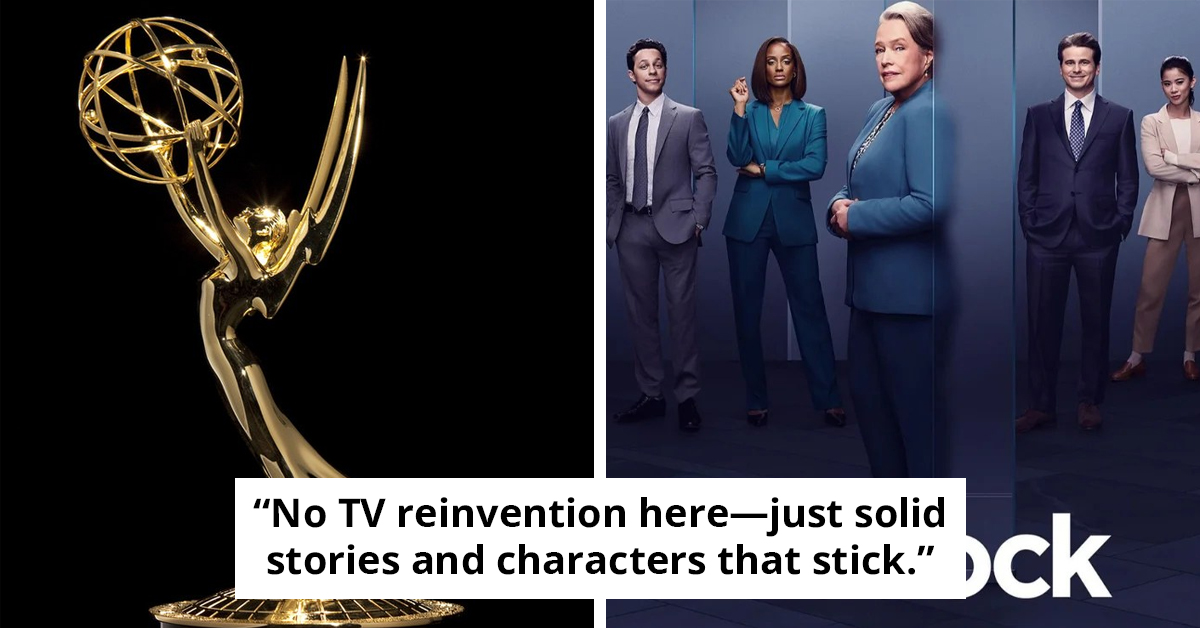
Matlock is the kind of show that sneaks up on you, then refuses to let go. One episode you’re watching a courtroom case-of-the-week, the next you realize the real story is the mess underneath the verdict.
In 2025, the Emmys keep leaning toward prestige dramas and streaming glow, but Matlock is proving a procedural can dig into corporate cover-ups, institutional injustice, and personal loss without losing momentum. Add in Bates carrying the role with razor-sharp timing and quiet control, and it gets complicated in the best way.
If the Emmys want staying power, Matlock is already building it, one argument at a time.
In 2025, Matlock proves that smart procedurals can rival prestige dramas in depth and staying power.
That bias against network procedurals isn’t new. Emmy voters have long shown a preference for streaming content and prestige dramas with moody lighting and ambiguous endings.
But it’s an outdated way of thinking—especially in 2025, when shows like Poker Face and The Residence have already proven that procedural formats can carry complex storytelling and layered performances.
Matlock fits that mold, too. It takes the structure of a case-of-the-week drama and uses it to tackle deeper issues: corporate cover-ups, institutional injustice, and personal loss. It’s all there, just wrapped in a format that’s efficient and effective, not flashy for the sake of it.
And unlike some high-concept shows that burn bright and fade fast, Matlock feels built to last.
 commons.wikimedia
That network procedural bias is exactly what Matlock is challenging, case file by case file, in 2025.
Bates is no stranger to accolades. She’s won her fair share of awards, and rightly so. But this role is different. It’s not just about delivering powerful monologues or shedding a few well-timed tears. It’s about control, presence, and timing—all of which she nails.
She makes courtroom dialogue feel gripping. She gives small gestures weight. And she carries the show without ever overshadowing it. If Emmy voters truly value consistency, nuance, and craft, Bates should be a lock for a nomination.
This isn’t just about one actress, though. It’s about what her nomination would signal: that the Emmys are willing to reward performances wherever they happen, not just on the “right” platforms.
Bates doesn’t just deliver monologues in this courtroom, she turns small gestures into evidence that lands.
The Value of Underdogs
Entertainment industry veteran and Emmy judge, David Hill, emphasizes the importance of recognizing underdog shows like Matlock in the Emmy nominations.
Hill notes that the emotional resonance of a well-crafted narrative can often be more impactful than lavish sets or star-studded casts. He encourages voters to look beyond the surface and consider how these narratives connect with audiences, which is essential for a robust representation in awards.
It also echoes Kate Winslet’s sharp response to nepo-baby critics.
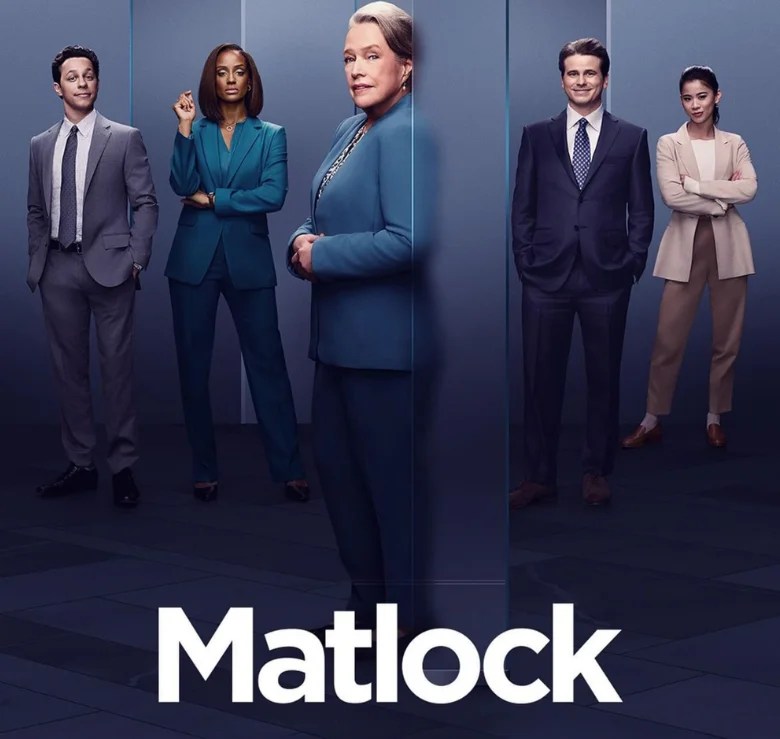
Kathy Bates leads the cast of the 2024 Matlock, starring alongside Jason Ritter, Leah Lewis, David Del Rio, and Skye P. Marshall.
Beyond Bates, Matlock is backed by a capable supporting cast and a rotation of guest stars who keep each episode fresh. It’s a similar setup to Elsbeth, another CBS procedural that’s been getting Emmy buzz, and not without reason.
Both shows lean on charismatic leads, strong ensemble chemistry, and tight storytelling. They also share something else: they challenge the idea that network television can’t be smart, stylish, or award-worthy.
Matlock isn’t trying to reinvent television. It’s just trying to do what good shows have always done: tell compelling stories with characters you care about. And it does that well.
 imdb
imdb
And when the show keeps stacking corporate cover-ups and institutional injustice under the same tidy format, the “long shot” label starts to feel silly.
As Emmy nominations draw closer, there’s always hope that voters will make a few bold picks. That they’ll look past the hype and give some love to the shows that might not be trendy but are undeniably good.
Matlock fits that bill. It’s not a viral hit. It’s not dominating think pieces. But it’s sharp, grounded, and genuinely enjoyable, and sometimes, that’s exactly what great TV looks like.
So here’s hoping the Emmys throw a curveball. Let the courtroom drama get its day in court. Let Kathy Bates take the stage. Let a network procedural remind everyone that prestige doesn’t have to mean pretentious; it just has to be good.
Even the talk about underdog shows like Matlock hits differently once you’ve watched the show refuse to burn bright and fade fast.
Cultural critic and television expert, Joan Walsh, points out that the Emmys should focus on inclusivity and diversity, not just in genres but also in styles and formats.
Walsh suggests that the industry should prioritize stories that reflect varied experiences. By doing so, they can inspire a broader spectrum of viewers, which ultimately enriches the cultural landscape of television.
As the Emmy nominations draw near, it becomes increasingly important for voters to expand their horizons and consider a broader spectrum of storytelling approaches. Highlighting shows like Matlock not only celebrates unique narratives but also prompts the industry to support a wider range of voices.
By recognizing underdog series, the Emmys have the potential to cultivate a more enriching cultural conversation, paving the way for more vibrant television. A dedication to inclusivity can guarantee that every story—regardless of scale—has the chance to be recognized, mirroring the diverse fabric of contemporary society.
The Emmys should stop acting like Matlock is just background noise.
For more box-office heartbreak, see Scarlett Johansson losing her highest-grossing actress title.

Damjan