New Deep-Sea Discovery Reveals Sea Spiders Fueled by Methane
A New Look at Life in Extreme Places
Scientists off the US coast have a new weird-and-wonderful discovery, and it sounds like a comic book plot until you see the evidence. Sea spiders are basically running a tiny methane meal plan, and the “fuel” is not just nearby microbes, it’s microbes they grow and eat.
Here’s where it gets complicated: the researchers didn’t just watch the spiders hang out near bacteria. They introduced a carbon isotope tracer into the environment to see whether the spiders were actually pulling methane-based carbon into their own tissues. And within five days, the spiders’ digestive systems were loaded with it, pointing straight to one conclusion, they consumed methane-oxidizing bacteria.
Now the real twist is whether this bacterial setup is passed down, meaning the next generation might start life already ready to snack.
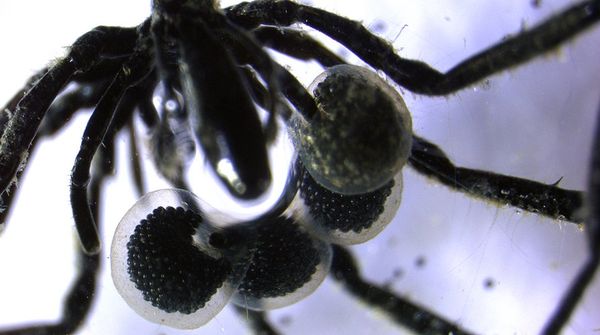
Instead of just living near the bacteria or picking them up from the environment, the spiders seem to grow the bacteria on their bodies. And then they eat it. Yes, the current theory is that these spiders cultivate bacteria on their surface and directly consume them, using them as a food source.
It’s like growing your groceries and then snacking on them when you’re hungry. That alone is a big deal.
That “grow the bacteria, then eat it” idea is wild enough on its own, but the tracer results are what really seal the deal.
Ecological Implications
Scientists have discovered "methane-powered sea spiders" off the US coast.
But the story doesn’t stop there. The scientists also introduced a carbon isotope tracer into the environment, which allowed them to track how quickly the spiders were incorporating this methane-based carbon into their tissues.
The results showed that, within just five days, the spiders’ digestive systems were full of it. The only way that could’ve happened, the team says, is if the spiders had eaten the bacteria.
"Nearly all sea spider-associated MMOx bacterial cells assimilated carbon from either methane or methanol but not CO₂," the researchers explained.
“Within five days, sea spider digestive tissues also showed significant incorporation of the [carbon isotope] label, a phenomenon that could only have occurred via consumption of methane-oxidizing bacteria.”
 Shana Goffredi
After five days of carbon isotope labeling, the spiders’ digestive tissues showed the methane signal, and the bacteria-eating theory stopped being a maybe.
And if you’re wondering how deep-sea life pulls off show-stopping tricks, a fluorescent organism’s glow was visible from space.
Even better, the team’s findings suggest the methane-powered bacteria might stick around through generations, like a biological starter kit.
Even more interesting is the possibility that the bacteria aren’t just something the spiders pick up by chance. There’s evidence to suggest it might be passed down through generations, meaning sea spider offspring might be born with it already in place, ready to grow and feed off of.
This kind of symbiotic relationship isn’t entirely unheard of in extreme environments, but seeing it work this way, in an animal cultivating bacteria directly on its body as a food source, is rare. It offers a glimpse into just how flexible and strange life can be, especially in places where most creatures wouldn’t last a minute.
So while the nickname “methane-powered sea spiders” might sound like a comic book idea, it’s rooted in some pretty wild reality.
These creatures have adapted to one of the harshest ecosystems on Earth and turned it into a sustainable, possibly inherited food system. And scientists are only just beginning to understand how it all works.
So while “methane-powered sea spiders” sounds like a nickname you’d hear at a science convention, it’s turning into a real, repeatable survival strategy.</p>
The emergence of methane-powered sea spiders is a groundbreaking development that not only enriches our understanding of marine biology but also highlights the urgent need to protect these extraordinary ecosystems. These creatures, thriving in extreme conditions, embody the resilience of life and the delicate equilibrium that sustains ocean habitats. Their unique metabolic processes illustrate how life can adapt to seemingly inhospitable environments, offering a glimpse into the complex interactions within marine ecosystems.
As we look to the future, it is essential to leverage innovative technologies to delve deeper into these extreme habitats. Collaborative efforts across various scientific disciplines will be crucial in crafting effective conservation strategies aimed at safeguarding these remarkable organisms and the environments they inhabit. The discoveries made in these depths may hold the key to understanding broader ecological dynamics and the impact of climate change on marine life.
The sea spiders didn’t just find methane, they built a full snack system out of it.
Want another ocean oddity, check out the “Lost City” columns that rise over 200 feet from the ocean floor.

Damjan