
Discover 13 Real Animals That Look Straight Out Of A Fantasy World
No filters, no tricks - just nature showing off its weirdest side.

Sometimes, nature doesn’t follow the script. Just when you think you’ve seen it all, lions, penguins, dolphins, something shows up that looks like it came straight out of a sci-fi movie or an artist’s imagination. These are the creatures that make people stop scrolling, tilt their heads, and wonder if someone went wild with Photoshop.
But no filters here, these animals are 100% real, even if they look anything but ordinary. From transparent bodies to wild color patterns and shapes that seem designed by accident, nature has created some truly unbelievable living beings. It’s almost as if evolution had a sense of humor.
Some of these animals use their strange looks to survive, blending in with their surroundings or scaring off predators. Others seem to exist just to confuse us, looking too odd or too perfect to belong on the same planet as us.
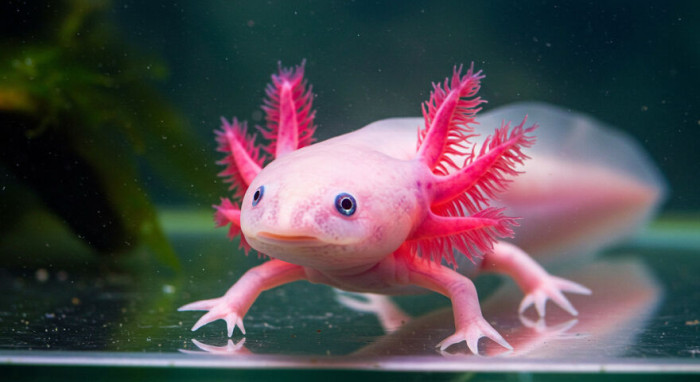
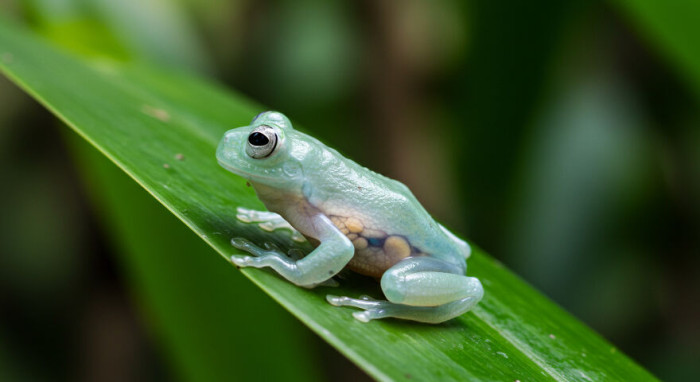
Take the axolotl, for example, the forever-smiling salamander that refuses to grow up. It keeps its baby features all its life, with its pink frills and wide grin making it look like a cartoon character. Or the glass frog, whose skin is so transparent you can literally see its organs. It sounds made up, but it’s real, hopping around in the rainforests of Central and South America.
1. Axolotl
4. Pink Fairy Armadillo

Then there’s the shoebill stork - a bird that looks like it walked straight out of a prehistoric era. Standing over four feet tall with a massive shoe-shaped bill and an unblinking stare, it’s both fascinating and mildly terrifying.
People who’ve met one in the wild often describe it as “like staring into the eyes of a dinosaur.” Not exactly your typical backyard bird.
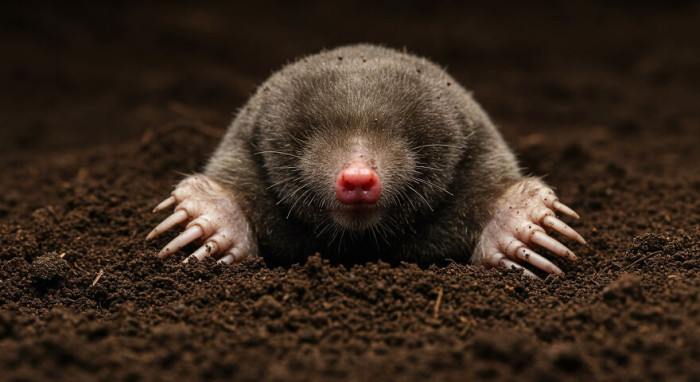
The star-nosed mole might not win any beauty contests, but it’s a marvel of design. Its odd, tentacled nose isn’t just for show - it’s a super-sensitive tool that helps it feel its way through the dark underground world.
It can detect and eat prey faster than you can blink. Weird? Yes. Impressive? Absolutely.
Engaging with Nature
Experts recommend that engaging with local wildlife can enhance understanding and appreciation for unique species. Dr. Alexandra Horowitz, a dog cognition researcher at Alexandra Horowitz, encourages people to observe and document wildlife in their areas.
This practice not only fosters a deeper connection with nature but can also spark interest in conservation. Creating citizen science projects allows communities to contribute to wildlife research while learning about their local ecosystems.
3. Glass Frog
Nature's Artistic Palette
Dr. Jennifer Holland, a wildlife journalist at National Geographic, emphasizes that the unique appearances of certain animals often stem from their adaptations to specific environments. Each striking trait serves a purpose, whether it's for camouflage, mating, or survival.
For example, the vibrant colors of the poison dart frog are not just for show; they warn predators about their toxicity. This is a classic case of nature's artistry being driven by survival instincts.
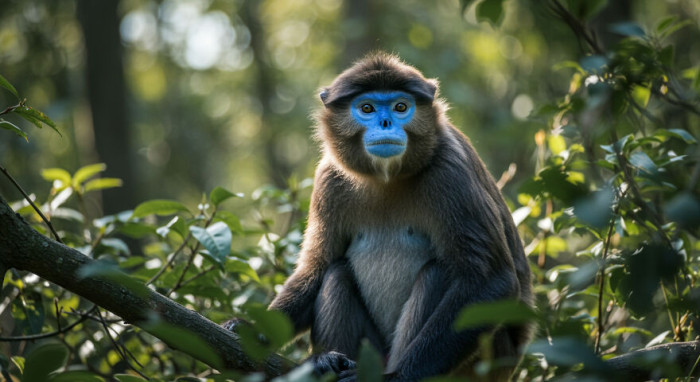
13. Yunnan Snub-Nosed Monkey
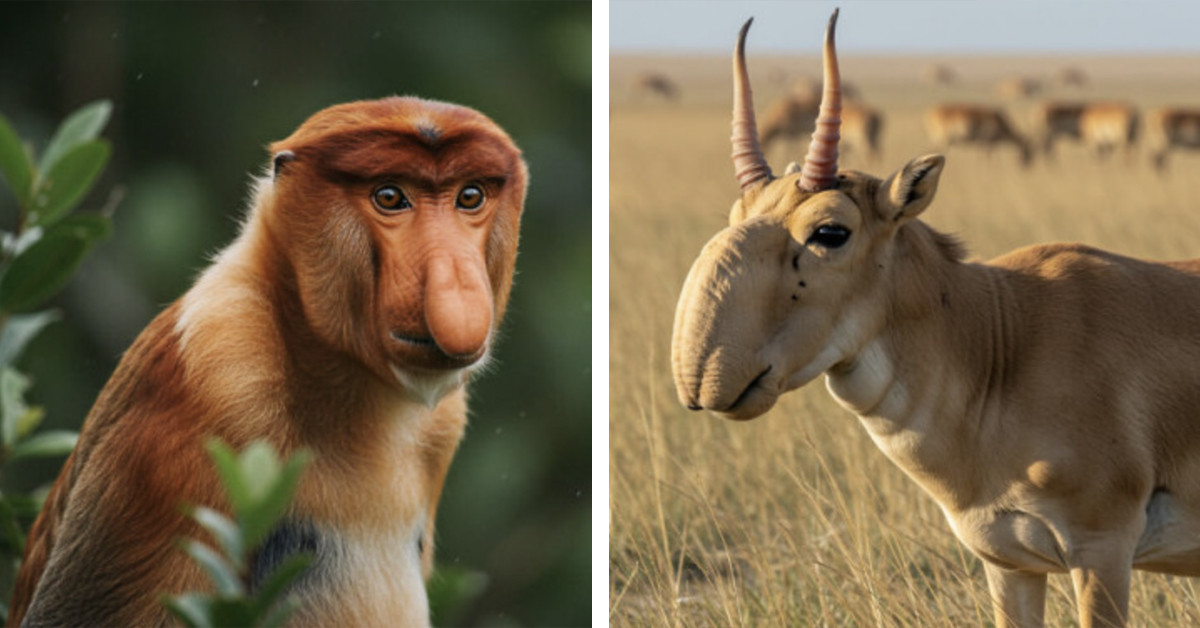
6. Saiga Antelope

If you think that’s strange, the leaf-tailed gecko might just outdo them all. This reptile looks exactly like a dead leaf, down to the color, veins, and edges. It’s a master of disguise, blending into the forest floor so perfectly that you’d probably step right over it without noticing. Nature really nailed camouflage with this one.
On the other end of the scale, there’s the mandarin fish - a tiny underwater gem that looks hand-painted in neon blue, orange, and green. It’s one of the most colorful animals on Earth, and no, those colors aren’t photoshopped. The fish’s skin actually produces a natural pigment that gives it that glowing, impossible look.
9. Proboscis Monkey

Dr. Chris Packham, a naturalist, points out that encountering bizarre animals can challenge our understanding of biodiversity. He notes that species like the axolotl, with its regenerative capabilities, showcase how evolution can yield fantastical traits that seem almost magical.
He suggests that educational initiatives focusing on these unique creatures can foster appreciation and inspire conservation efforts. Highlighting the wonders of nature can encourage people to preserve these extraordinary species and their habitats.
And then there’s the saiga antelope, with its strange, oversized nose that looks like a mix between a camel’s snout and a vacuum hose. It may look funny, but that nose helps it survive in harsh climates, filtering dust and warming cold air before it reaches its lungs.
11. Leafy Sea Dragon
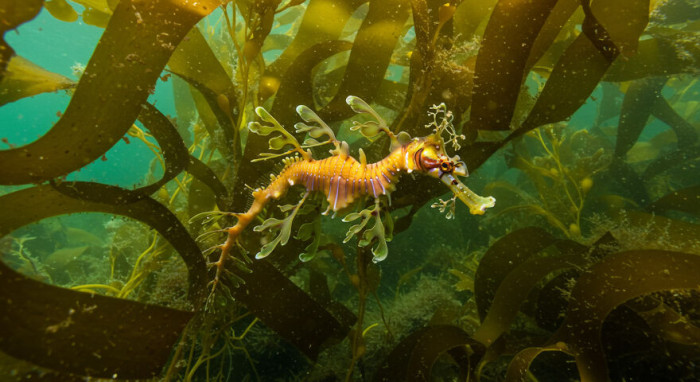
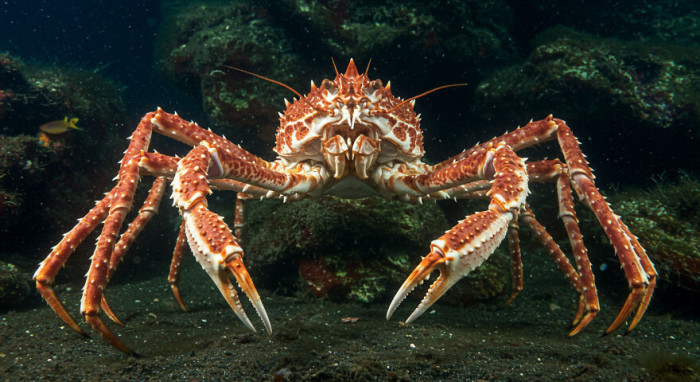
12. Japanese Spider Crab
2. Star-Nosed Mole
The Importance of Biodiversity
Wildlife experts believe that showcasing unique animals helps raise awareness about biodiversity. Dr. Carl Safina, an ecologist and author at Carl Safina, argues that each species plays a critical role in its ecosystem. The more diverse an ecosystem, the more resilient it is to changes.
To encourage conservation, Dr. Safina recommends community-led initiatives that emphasize local wildlife. By fostering direct connections between people and their local environments, we can inspire action to protect these fantastical creatures.
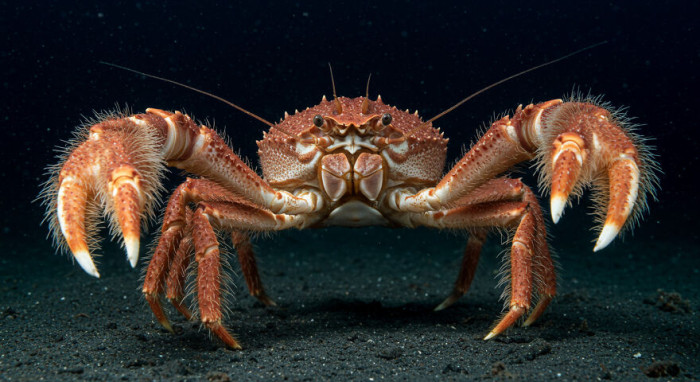
7. Yeti Crab
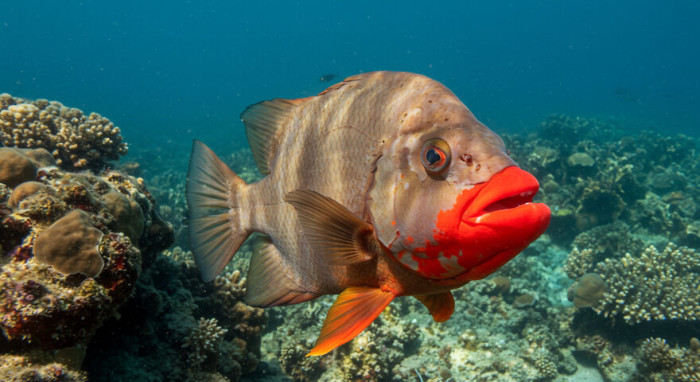
10. Red-Lipped Batfish
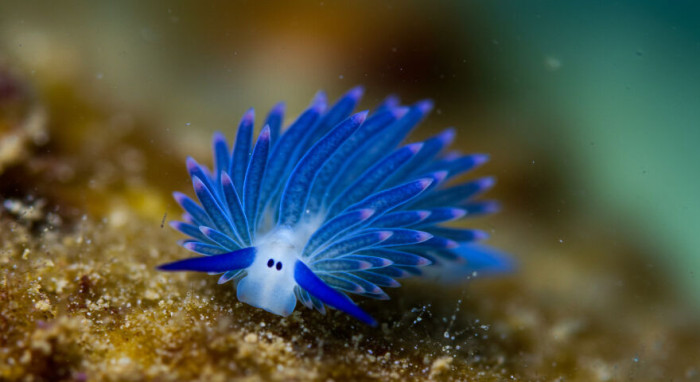
8. Blue Dragon (Glaucus Atlanticus)
Dr. Frans de Waal, a primatologist at Emory University, describes how many of these extraordinary animals exhibit complex behaviors that challenge our understanding of intelligence in the animal kingdom. For instance, the social structures of elephants and their communication methods reveal profound emotional depth.
Recognizing these traits can reshape how we interact with wildlife. De Waal suggests incorporating animal behavior studies into educational curricula to promote empathy and respect for all living beings.
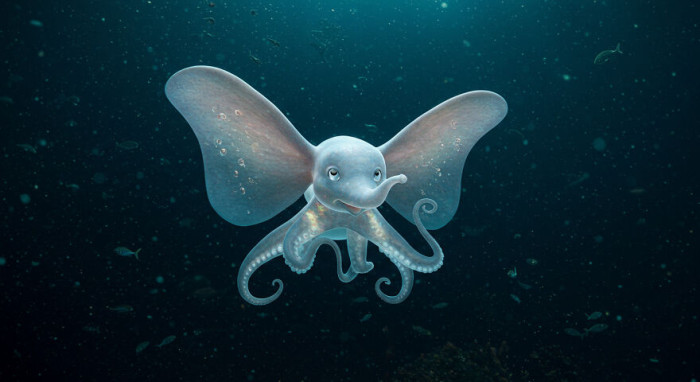
5. Dumbo Octopus
Nature doesn’t need special effects to amaze us. These unusual creatures show us how diverse and unpredictable life can be. Every strange color, shape, and feature has a purpose, even if it looks unreal.
They’re proof that the natural world is still full of surprises - and we’ve only scratched the surface.
Professional Assessment & Guidance
Understanding and appreciating wildlife that resembles fantasy creatures ultimately highlights the importance of biodiversity. As experts like Dr. Jane Goodall have noted, protecting these unique species is vital for maintaining ecological balance. Greater awareness can lead to more significant conservation efforts.
By fostering curiosity and respect for the natural world through education and community engagement, we can inspire future generations to cherish and protect these extraordinary beings. It's our responsibility to ensure that the wonders of nature continue to thrive for years to come.
