
This Brazilian Mailman Turns His Route Into a Daily Dog-Love Tour - 50 Images
Meet the postman who’s redefining “beware of dog” signs—by turning his delivery route into a neighborhood of wagging tails and furry friendships.

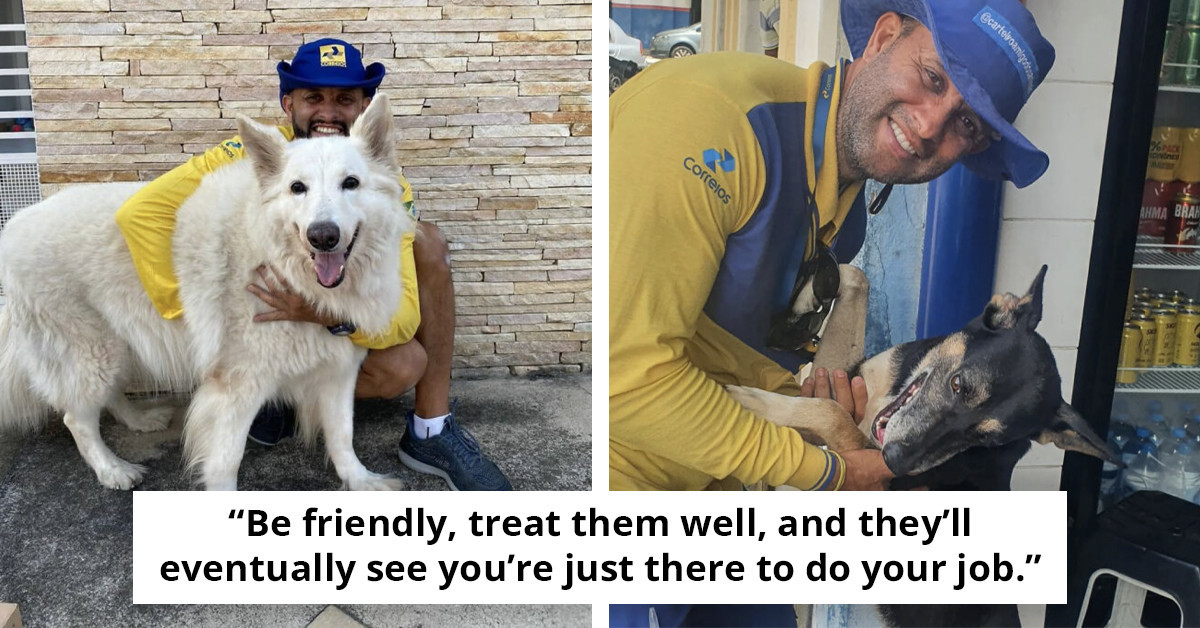
Angelo, a Brazilian mailman, didn’t just deliver letters, he turned his route into a daily dog-love tour. The holiday spirit is usually about lights, music, and gifts, but for him it’s more like belly rubs and wagging tails, delivered right along with the mail.
It started with a childhood admiration for mail carriers, his mother always handing them gifts like wine or champagne at the end of the year. Then Angelo grew up, became a mailman, and added his own twist by connecting with the dogs on his route, even when they bark and guard like their job depends on it.
Now his deliveries come with selfies, videos, and a whole lot of “please wait for me” energy, and the route itself has become a feel-good mission.
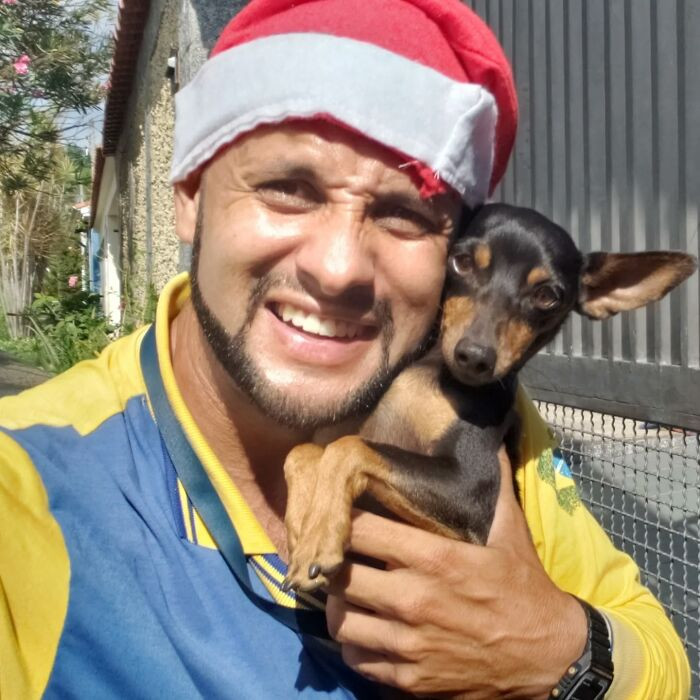
1. Proof that the holiday spirit fits perfectly in one arm.
For Angelo, the idea started simply. “Since I was a child, I admired the mail carriers who delivered letters to my home. My mother always gave them gifts, like wine or champagne, at the end of the year,” he said. “When I grew up, I didn’t think twice about pursuing a career as a mailman.”
 carteiroamigodosanimais
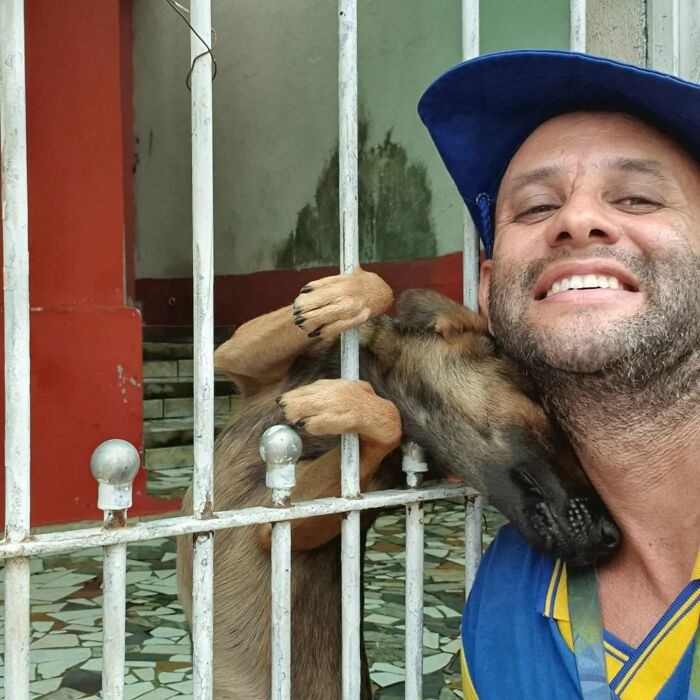
2. Proof that some deliveries come with extra affection—no postage required.
It was a dream rooted in admiration, but his love for animals added something special to it.
“Being an animal lover, I decided to make my work even more enjoyable by connecting with the dogs on my route.”
 carteiroamigodosanimais
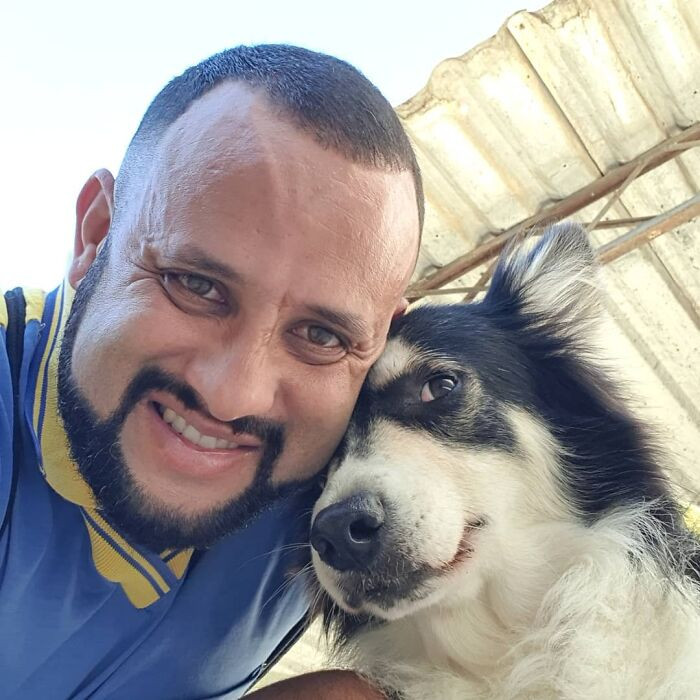
3. “When your selfie game is strong, but your friendship game is stronger.”
He quickly realized that what most people saw as a challenge—the barking, the guarding, the distance—could be softened with time and respect.
“Dogs often bark at mail carriers because their job is to protect their territory. But as I love animals, I made it my mission to win them over. By approaching them gently, petting them, or snapping a photo or video, I build a bond,” Angelo explained. “This makes the workday happier not only for me but also for the animals—many now eagerly wait for me to arrive.”
 carteiroamigodosanimais
The Power of Animal Connections
He explains that forging positive relationships with pets can significantly improve emotional well-being. This aligns with findings from several studies which indicate that pet ownership can lead to lower blood pressure and reduced feelings of loneliness.
4. “This delivery stop comes with belly rubs and good company.”
What started as a few friendly encounters soon grew into something larger. Angelo began posting his daily photos to Instagram, and thousands of followers flocked to his page to see the smiling faces—both human and canine. Beyond cute pictures, his account also became a platform for helping animals in need. When he finds abandoned or injured pets, he posts their stories, raises funds for their care, and helps them find new homes.
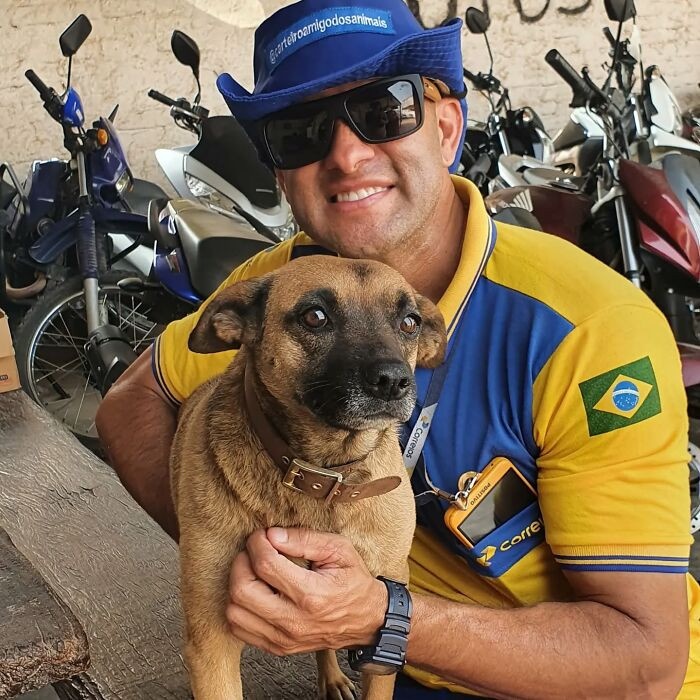 carteiroamigodosanimais
5. This face could stop anyone mid-delivery.
One of his most touching memories involves a stray named Cabrita. “She was the leader of a group of dogs that often chased me,” he recalled. “I started trying to win her over. Slowly, she began to respond, and we became friends. Once Cabrita trusted me, the others did too. Today, she lives in a loving home, which makes me so happy.”
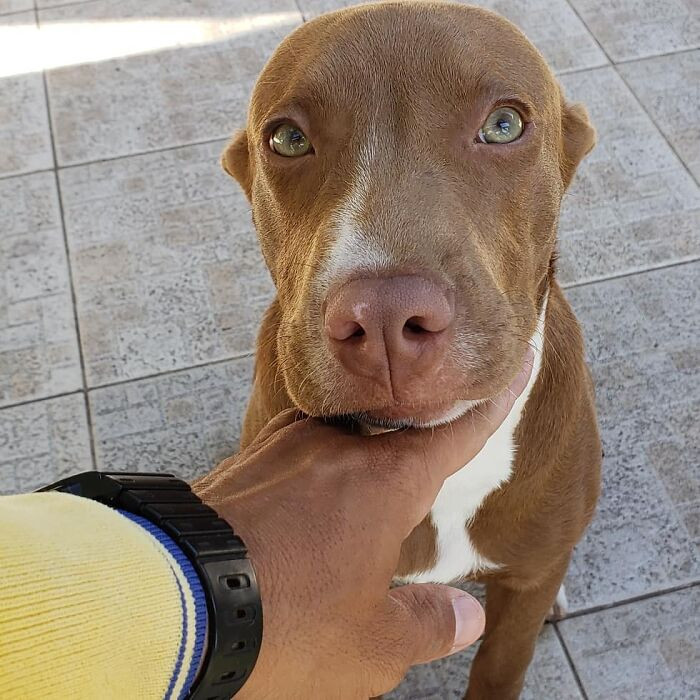 carteiroamigodosanimais
6. “That look says, ‘You’re my favorite part of the delivery route.’”
His compassion has since inspired countless others to see dogs—and their daily routines—a little differently. “Always respect the animals,” he says. “Show them you want to be friends, and never mistreat them. Over time, they’ll trust you and understand you’re just there to do your job.”
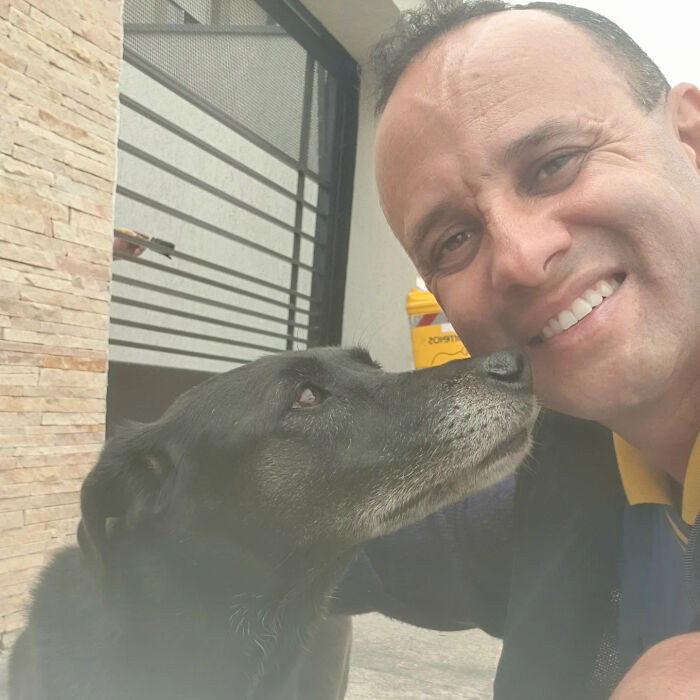 carteiroamigodosanimais
Animal welfare advocates note that every interaction with pets can contribute to their socialization and overall happiness. A well-socialized dog is less likely to exhibit behavioral issues, making their interaction with the community more positive.
Veterinarians suggest incorporating regular socialization practices into a dog's routine to build confidence and reduce anxiety when meeting new people. Engaging with friendly mail carriers, like Angelo Cristiano Da Silva Antunes, can be an excellent part of this strategy.
7. Golden hour with the goldenest of good boys.
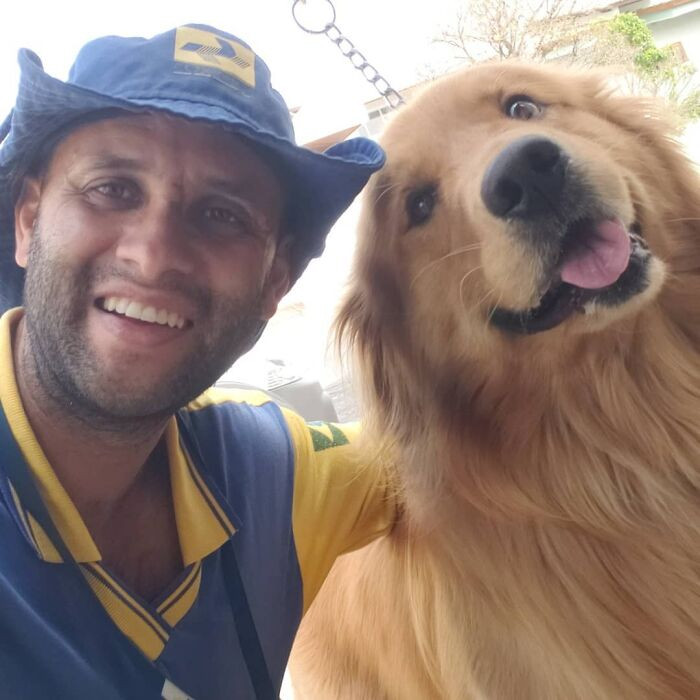 carteiroamigodosanimais
8. “You can almost hear the tail wag through the photo.”
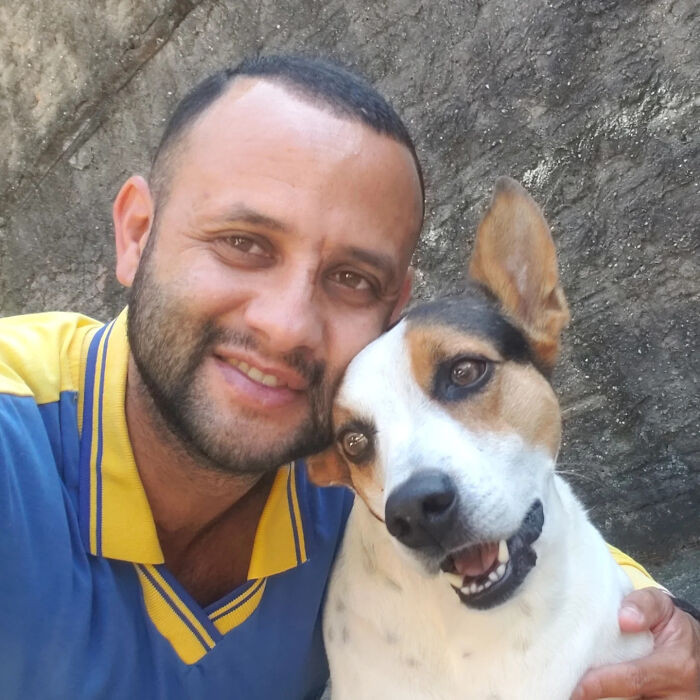 carteiroamigodosanimais
9. “He’s not barking—he’s whispering sweet secrets through the gate.”
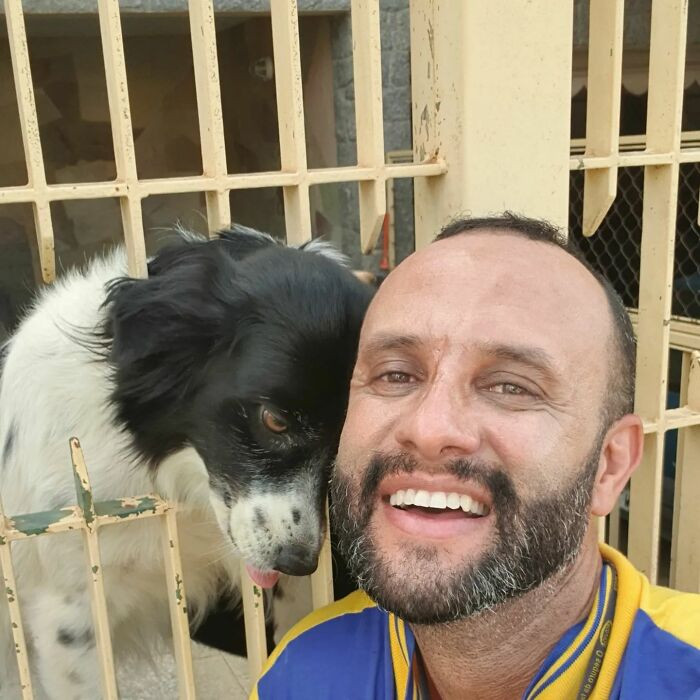 carteiroamigodosanimais
Angelo’s route used to be just deliveries, but once he started approaching barking dogs gently, the whole neighborhood began to treat his stops like mini dog parties.
Positive Reinforcement Techniques
In her book, 'The Other End of the Leash', she outlines how this approach not only teaches dogs good manners but also enhances their relationships with humans. Regular reinforcement can lead to more relaxed interactions, reducing the anxiety that some dogs feel around strangers.
10. “Every gray hair tells a story—and this one’s full of tail wags.”
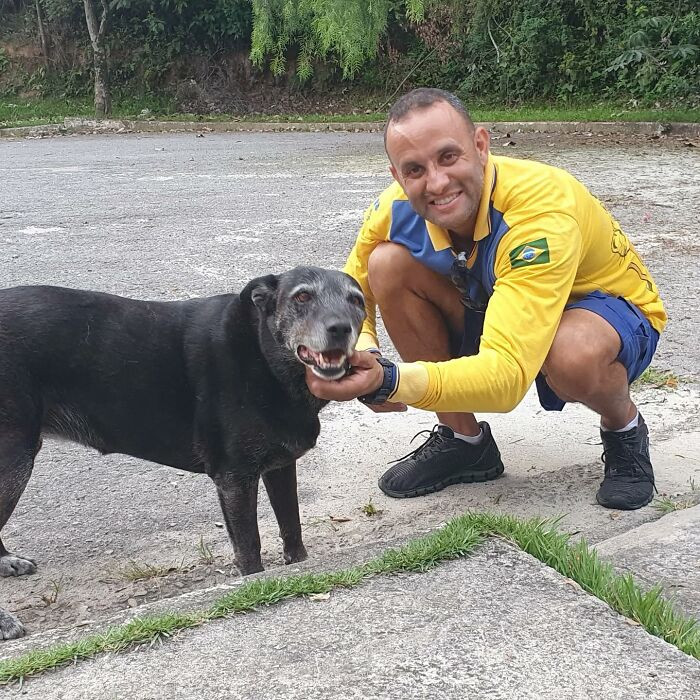 carteiroamigodosanimais
11. “He’s not stealing the mail, he’s stealing hearts.”
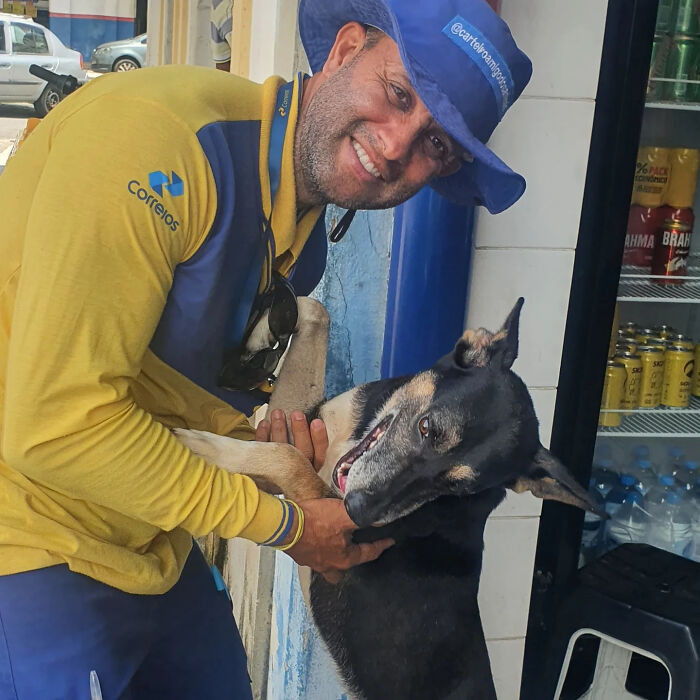 carteiroamigodosanimais
12. “Business meeting concluded: more treats, fewer barks.”
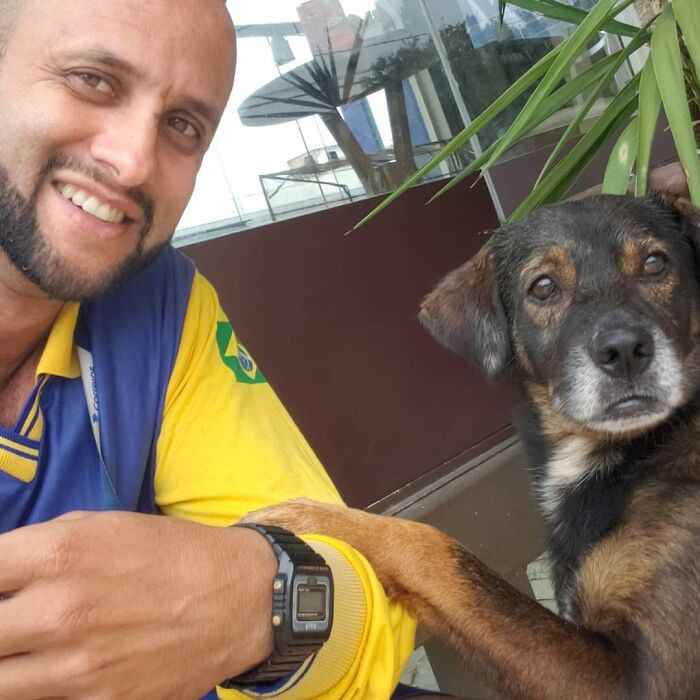 carteiroamigodosanimais
dogs are highly adaptable and can learn to respond positively to various stimuli, including postal workers.
Consistent positive experiences can encourage dogs to associate mail delivery with friendly encounters, leading to a reduction in typical defensive behaviors like barking or growling.
13. “That face says ‘I signed for the package, now where’s my treat?’”
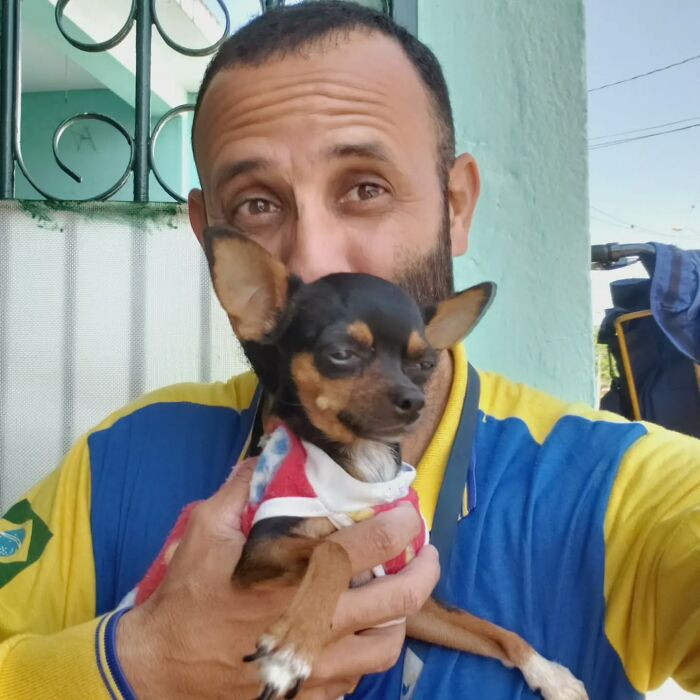 carteiroamigodosanimais
14. “You can’t tell who’s fluffier, but you can tell they’re both delighted.”
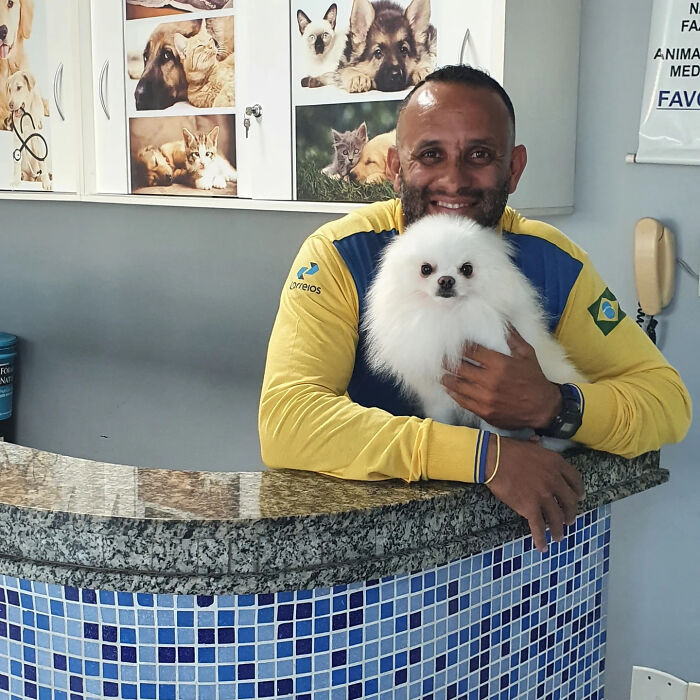 carteiroamigodosanimais
15. “You can’t teach this kind of customer service smile.”
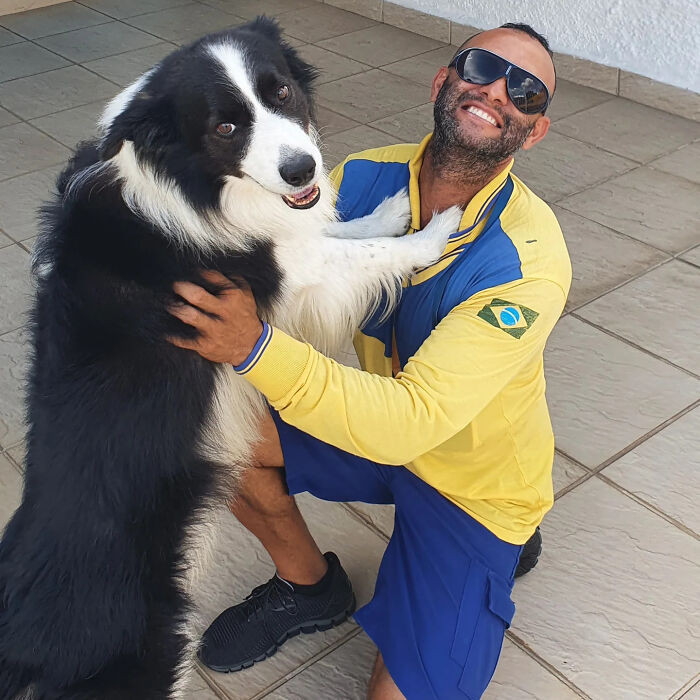 carteiroamigodosanimais
This barking can signal excitement or a protective instinct. By reframing our understanding of these behaviors, pet owners can better manage their dogs' reactions during encounters, turning potentially tense moments into opportunities for positive engagement.
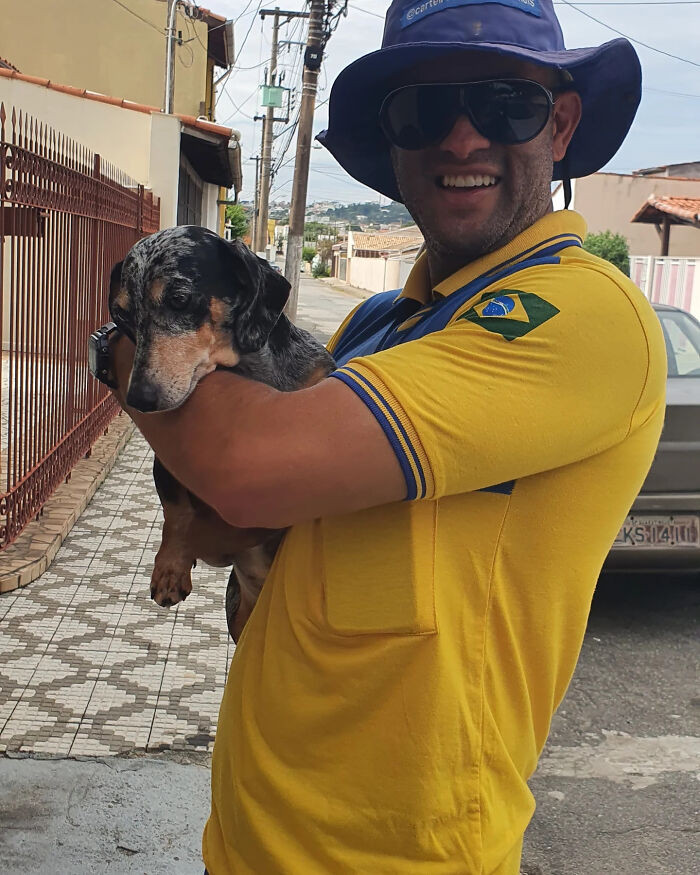
16. “He delivers letters, not treats—but try telling that to this dachshund.”
 carteiroamigodosanimais
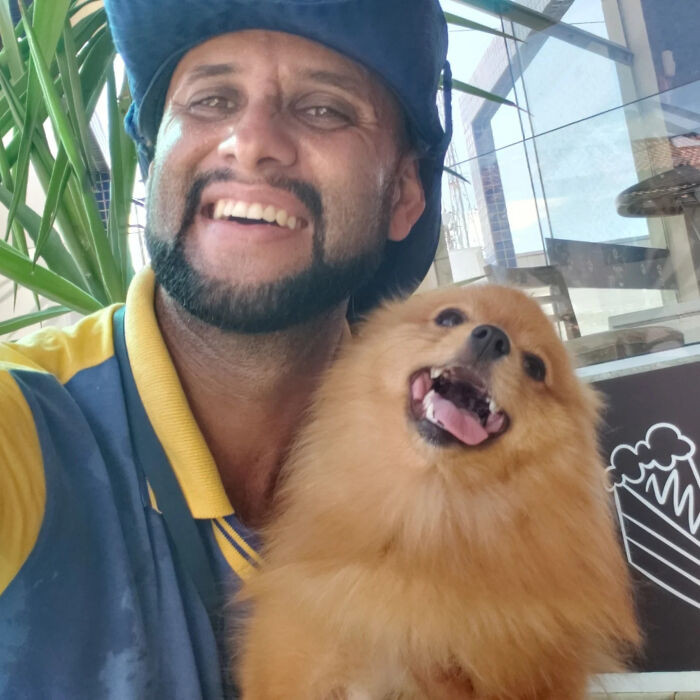
17. Two smiles, zero bills to deliver—just pure serotonin.
 carteiroamigodosanimais
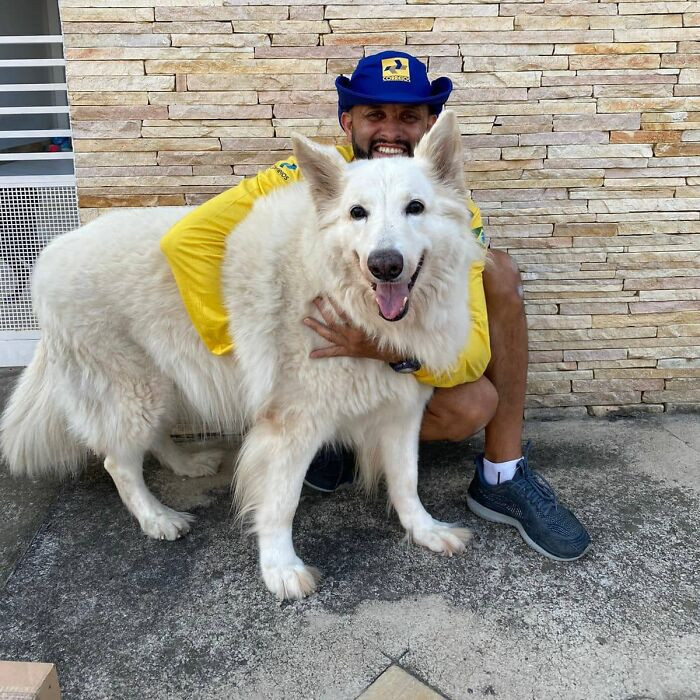
18. “The only delivery this gentle giant’s waiting for is another hug.”
 carteiroamigodosanimais
That’s when the holiday gift vibe kicked in again, except this time it was Angelo earning trust with pets, photos, and the kind of patience that makes even the toughest guard dogs soften up.
Incorporating structured playtime into the daily routine of dogs can significantly enhance their social skills.
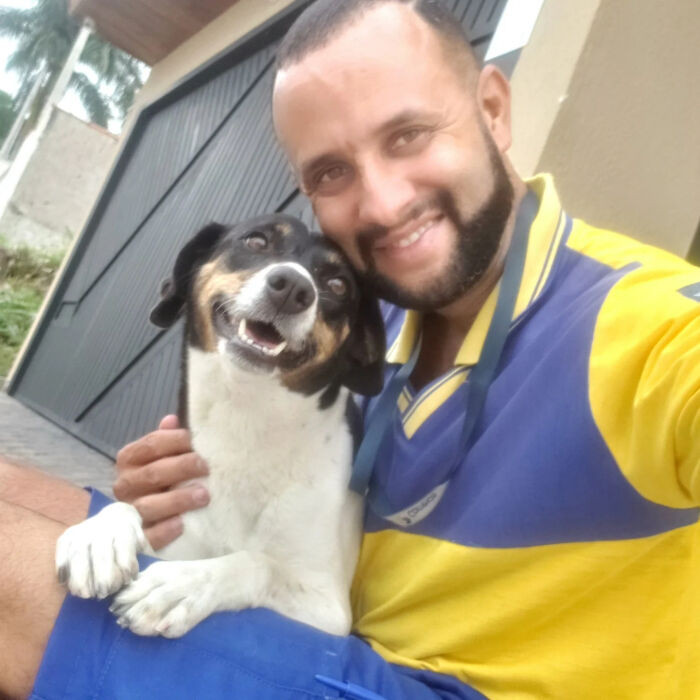
19. When the delivery includes smiles on both ends of the leash.
 carteiroamigodosanimais
20. “When you try to look tough but your favorite human shows up.”
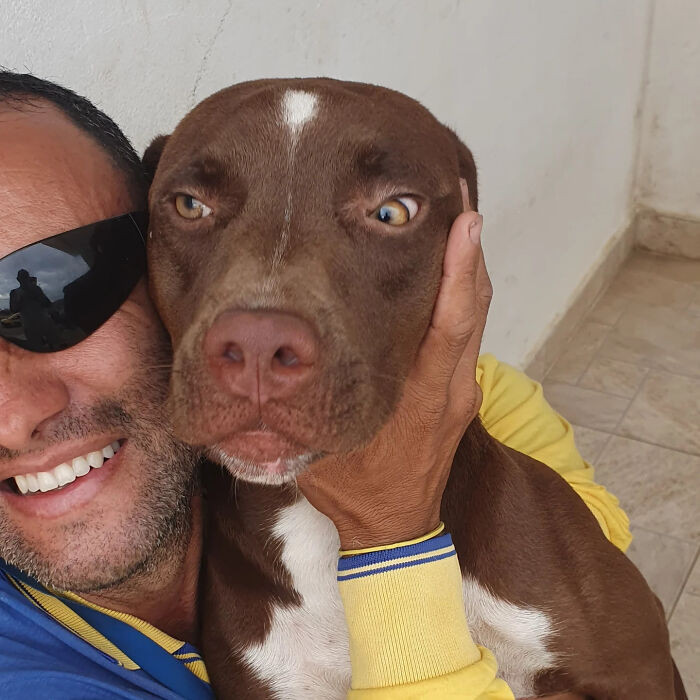 carteiroamigodosanimais
21. “They both understood the selfie assignment perfectly.”
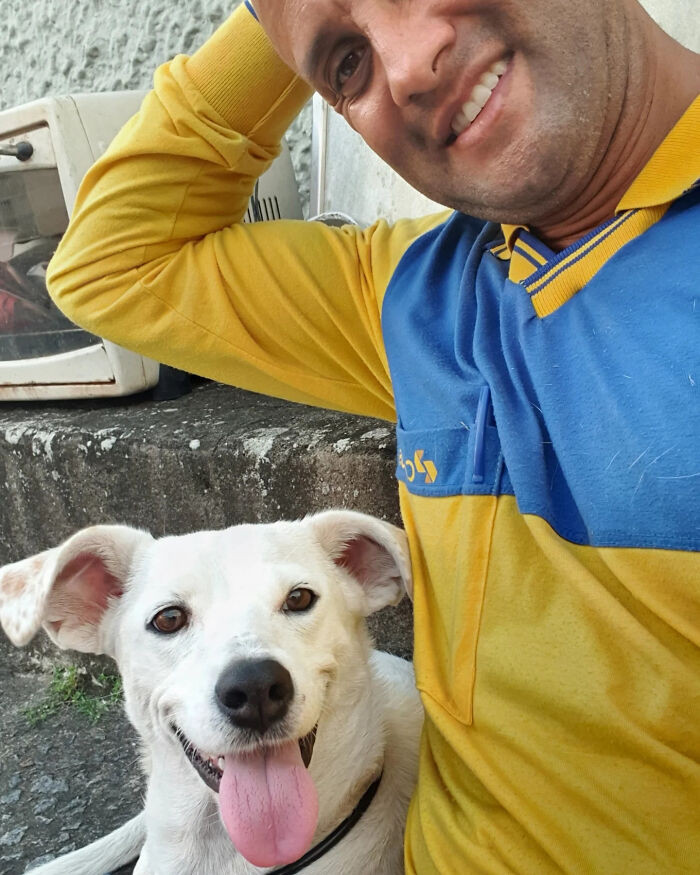 carteiroamigodosanimais
Community Engagement Through Pets
By promoting these interactions, communities can create a more pet-friendly atmosphere, leading to increased happiness and reduced isolation among residents. This aligns with the experiences of mail carriers like Angelo, who find joy in their daily interactions with dogs.
Speaking of delivery-day bonding, check out the UPS Dogs community’s 45 moments of drivers meeting adorable pups.
22. The look of a dog realizing his best friend delivers happiness daily.
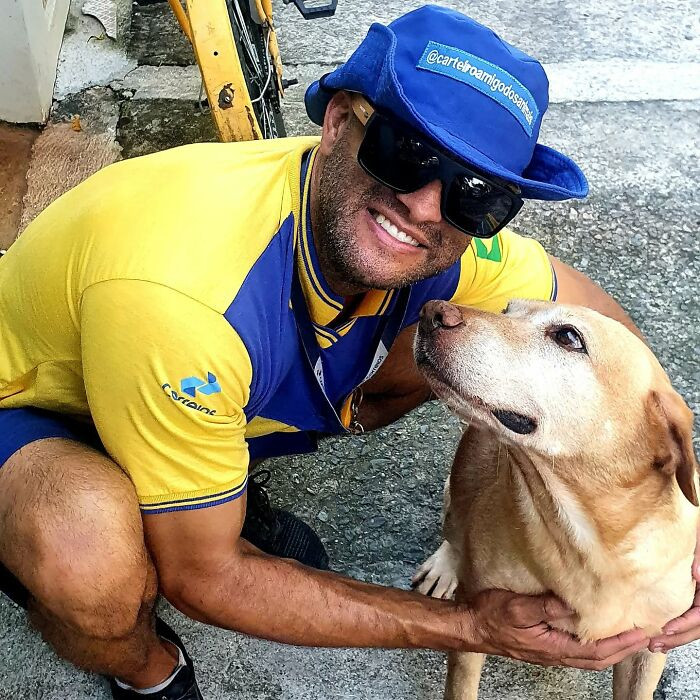 carteiroamigodosanimais
23. “When your favorite delivery is the guy, not the package.”
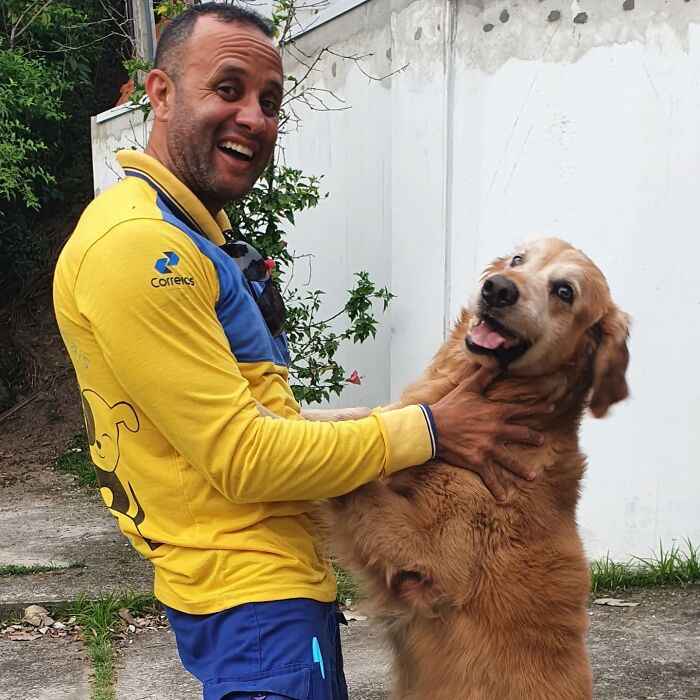 carteiroamigodosanimais
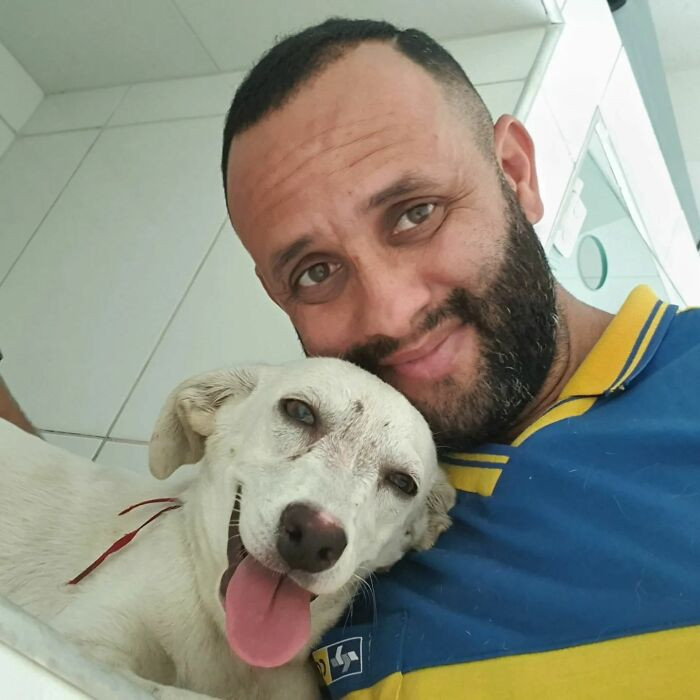
24. Some deliveries are better than mail — like love in fur form.
 carteiroamigodosanimais
Veterinary behaviorists recommend that dog owners educate themselves about canine body language to better interpret their pets' feelings during encounters. Understanding signs of stress, fear, or excitement can help owners manage their dogs' responses effectively.
Dog training classes often include modules on body language to empower owners. This knowledge can lead to more successful social interactions, reducing the chances of misunderstandings between dogs and people.
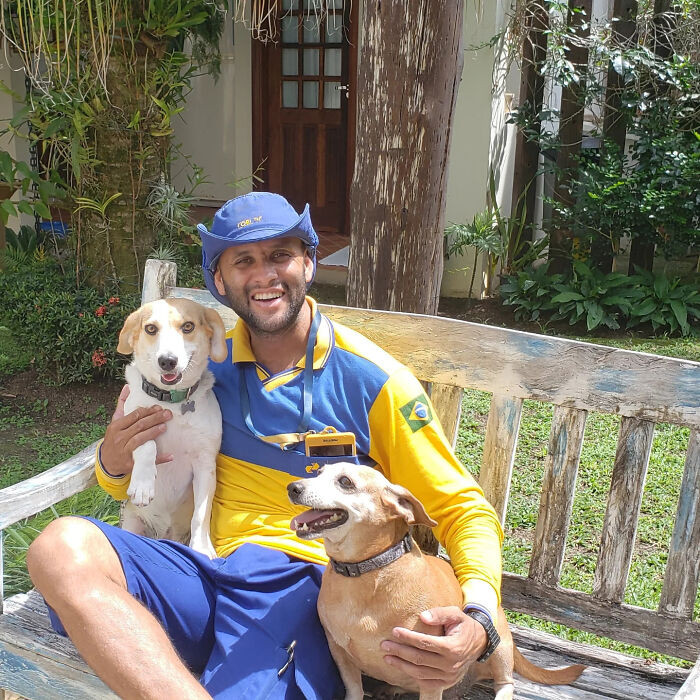
25. The unofficial neighborhood bench of belly rubs and pure joy.
 carteiroamigodosanimais
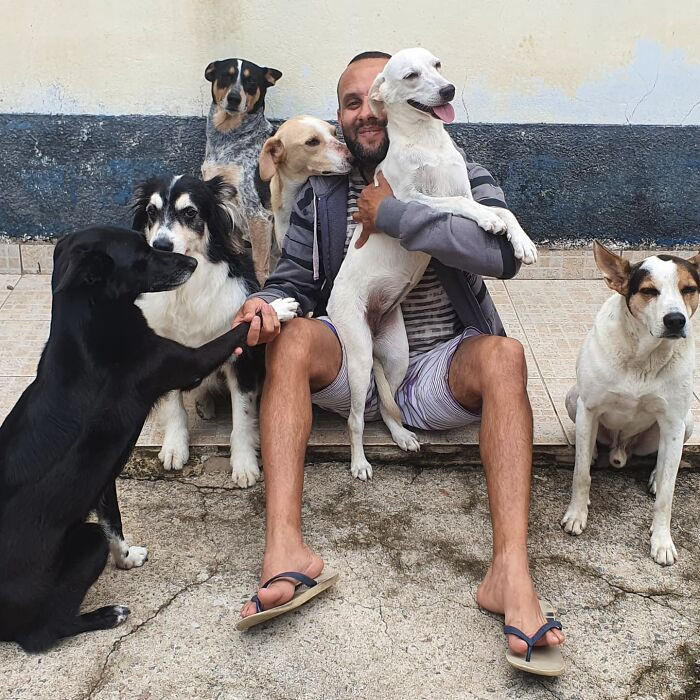
26. “When your fan club insists on a group photo before you finish your route.”
 carteiroamigodosanimais
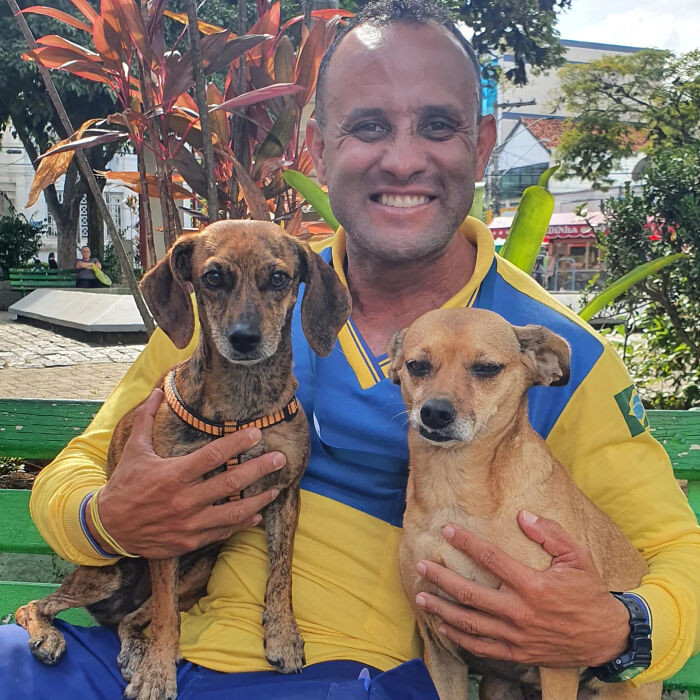
27. Double the dogs, double the happiness delivered.
 carteiroamigodosanimais
When dogs know what to expect, they are less likely to react negatively to new experiences, such as seeing a mailman. Regularly scheduled walks, playtimes, and training sessions can create a well-adjusted dog that embraces social interactions.
28. “When your daily route includes bonus cuddles.”
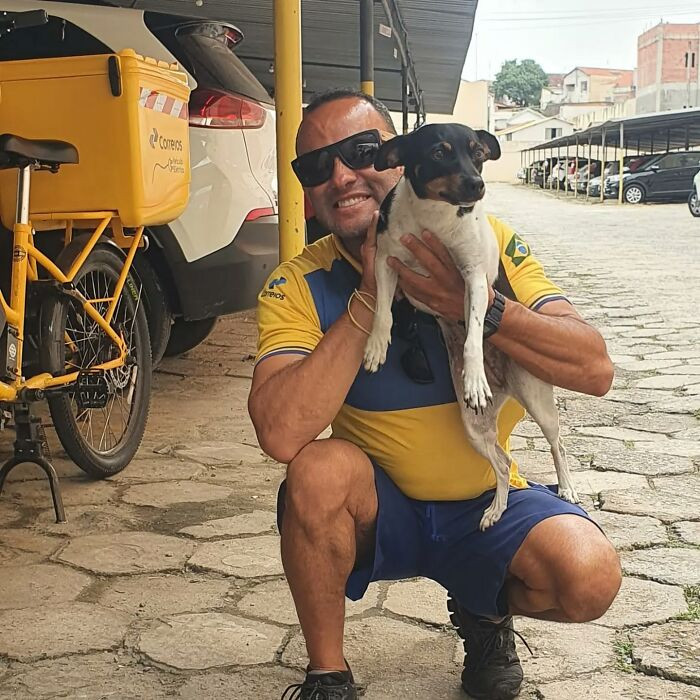 carteiroamigodosanimais
29. "He came to drop off letters, stayed for forehead kisses."
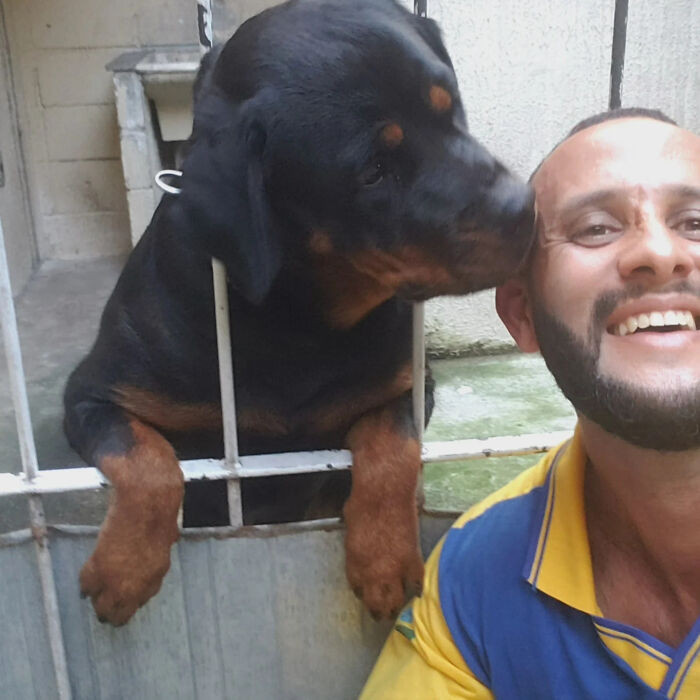 carteiroamigodosanimais
30. “This little guy just invented the world’s cutest handshake.”
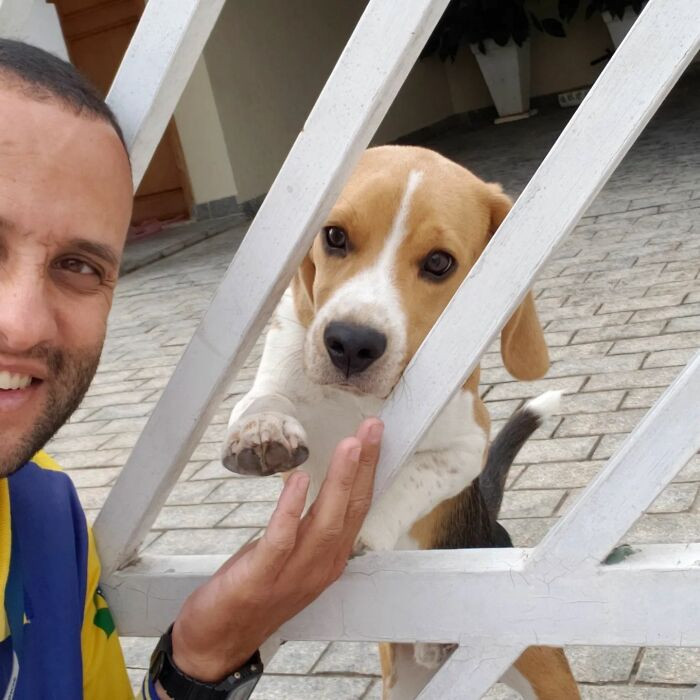 carteiroamigodosanimais
After Angelo began posting his daily human-and-canine smiles on Instagram, his followers started showing up for the cuteness, and the comments quickly turned into real support for animals in trouble.
Engaging dogs in structured games, such as fetch or tug-of-war, allows them to interact positively with both humans and other dogs.
Veterinarians recommend incorporating these activities into daily routines to build confidence and reduce anxiety. This proactive approach can lead to more favorable interactions with community members, including mail carriers.
31. Two rays of sunshine, one wearing a hat.
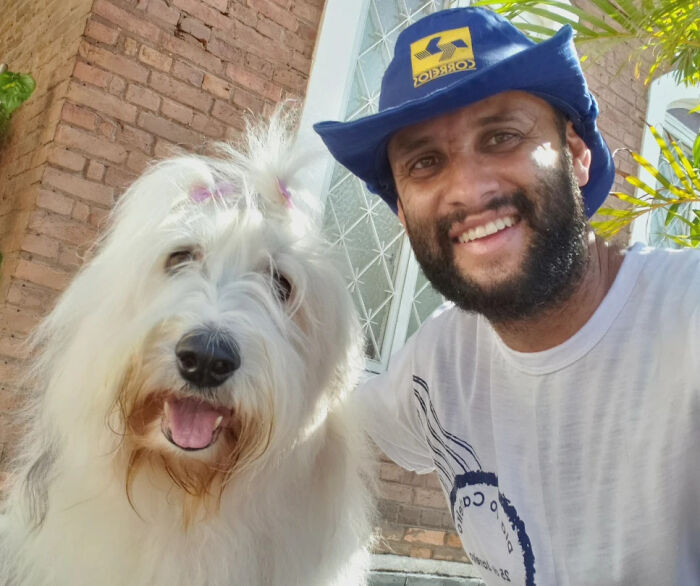 carteiroamigodosanimais
32. Customer feedback: five stars, one enthusiastic lick.
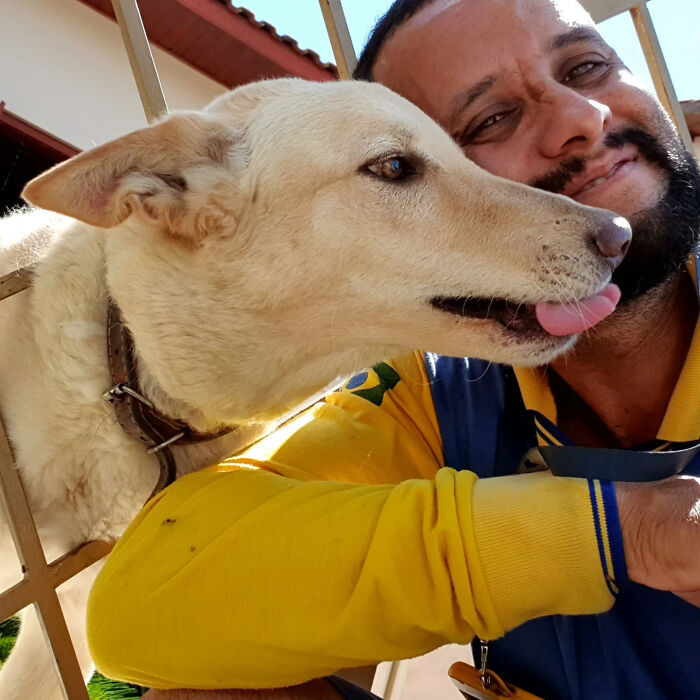 carteiroamigodosanimais
33. Proof that the best part of the route doesn’t fit in a mailbox.
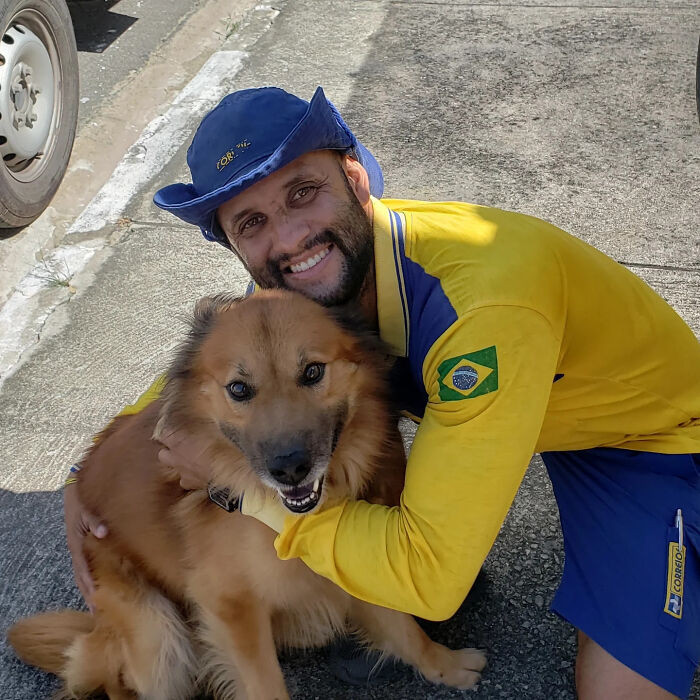 carteiroamigodosanimais
Leveraging Technology for Pet Training
Animal trainers are increasingly using technology to enhance pet training. For instance, mobile applications now exist that help owners track their dog's behavior and training progress.
34. “The kind of loyalty you can’t track with a barcode.”
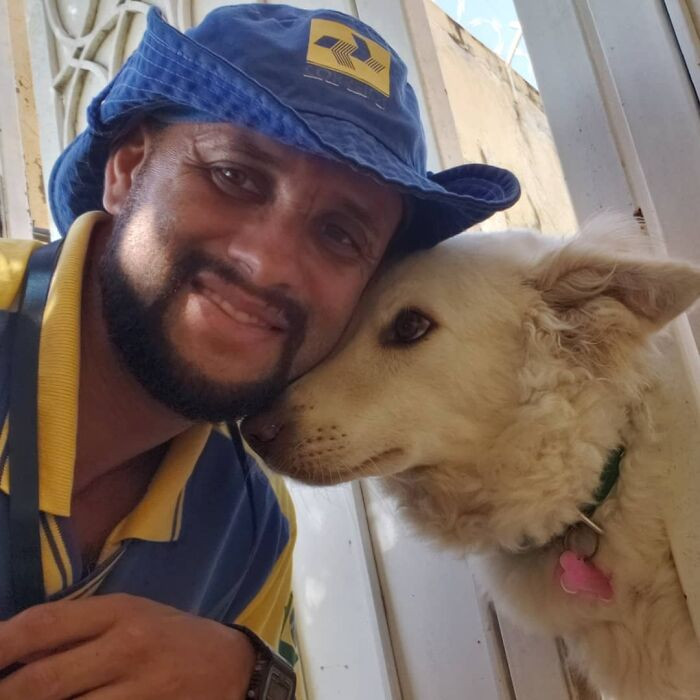 carteiroamigodosanimais
35. Special delivery: one fluffy ball of sunshine.
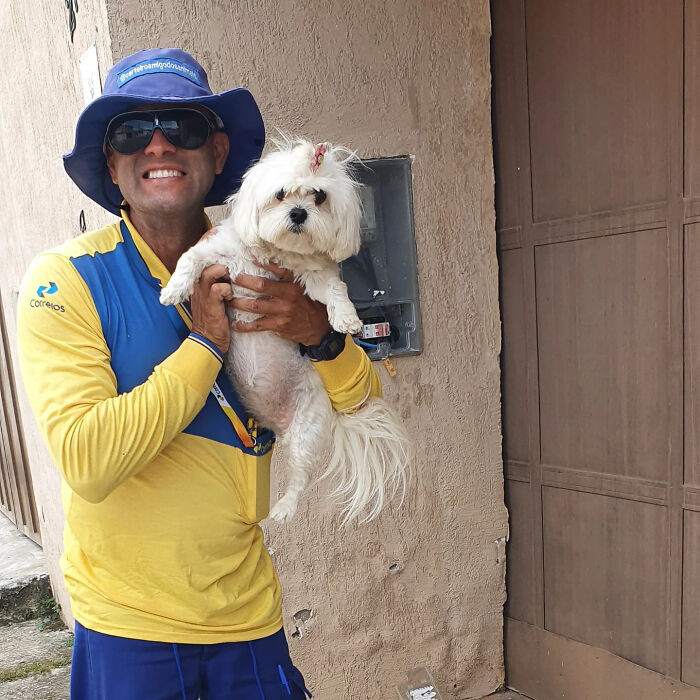 carteiroamigodosanimais
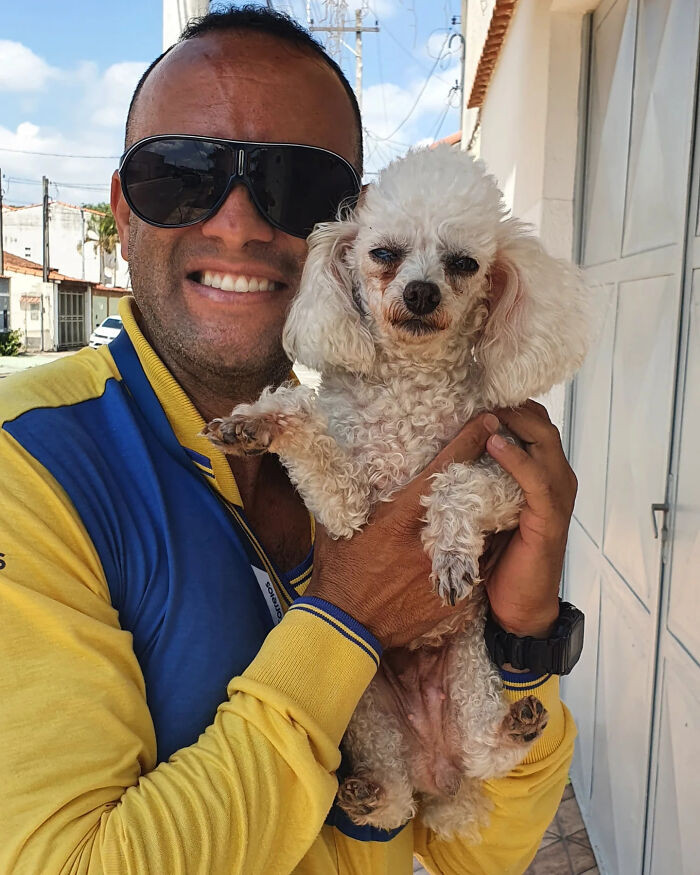
36. “This little one looks like she’s seen every letter on the route—and judged them all.”
 carteiroamigodosanimais
To improve community relations through pets, local governments can introduce initiatives that promote responsible pet ownership. Training programs and community events can help bring awareness to the benefits of socializing dogs.
Veterinary professionals recommend open forums where pet owners can share experiences and learn from each other. Such initiatives can create a more pet-friendly environment while enhancing the quality of life for both pets and their owners.
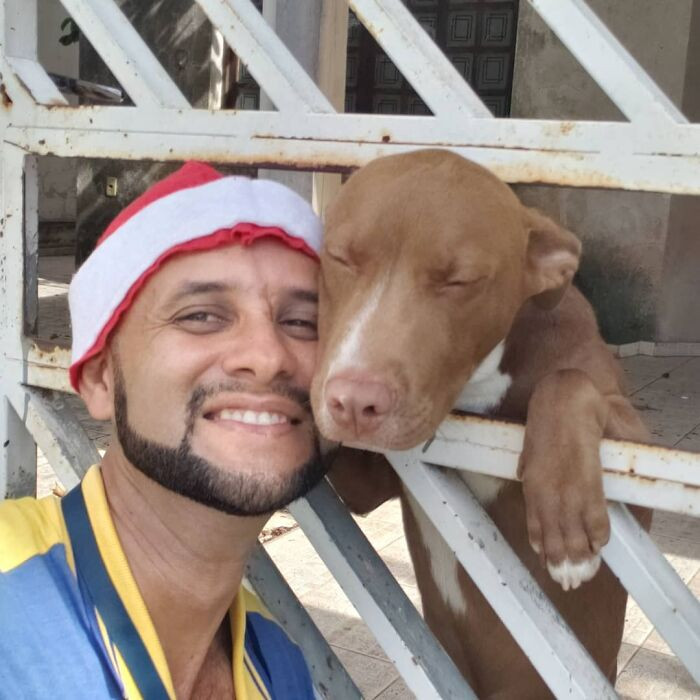
37. “Santa’s got helpers, but this guy’s got the best one of all.”
 carteiroamigodosanimais
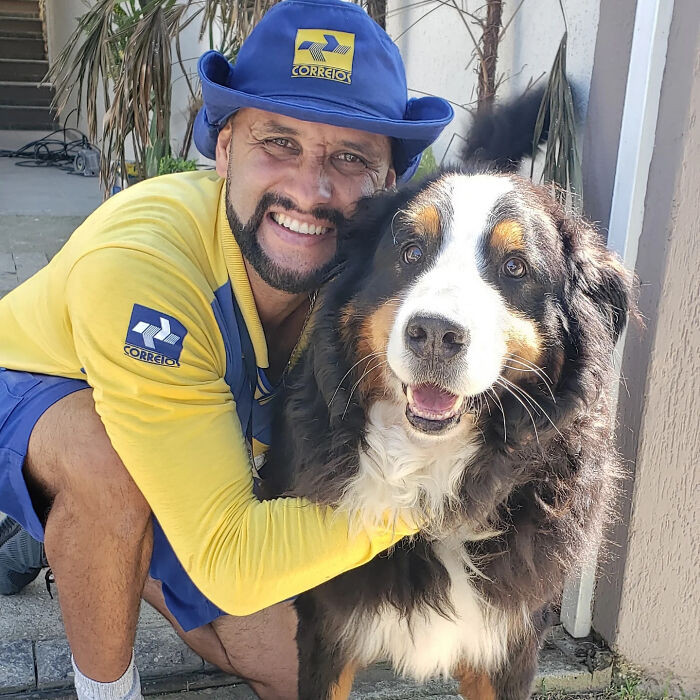
38. “Neither rain nor snow nor giant fluffy hugs will slow this delivery.”
 carteiroamigodosanimais
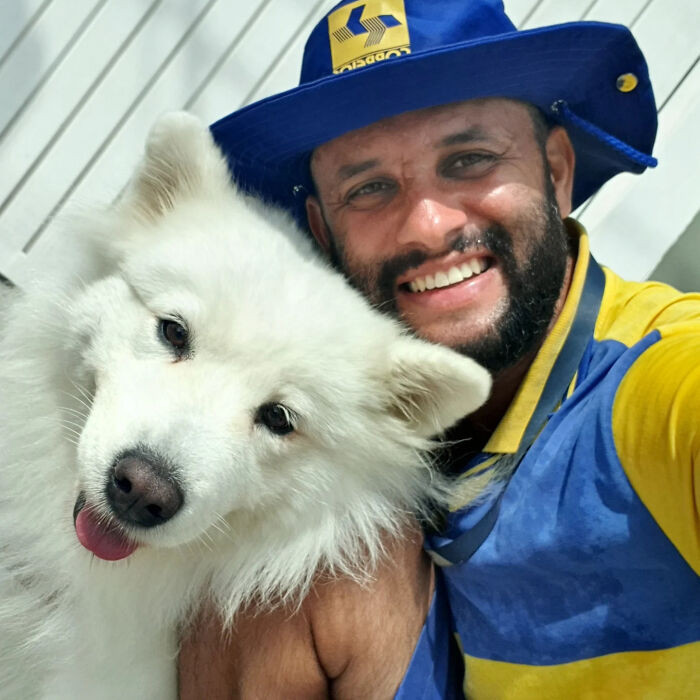
39. Too much fluff to fit in one photo, not enough to contain the joy.
 carteiroamigodosanimais
By the time he’s finding abandoned or injured pets and sharing their stories to raise funds, every “regular” delivery stop feels like it comes with a second job, rescue mode.
Benefits of Positive Interactions
Positive interactions between pets and people can lead to better overall health for both parties.
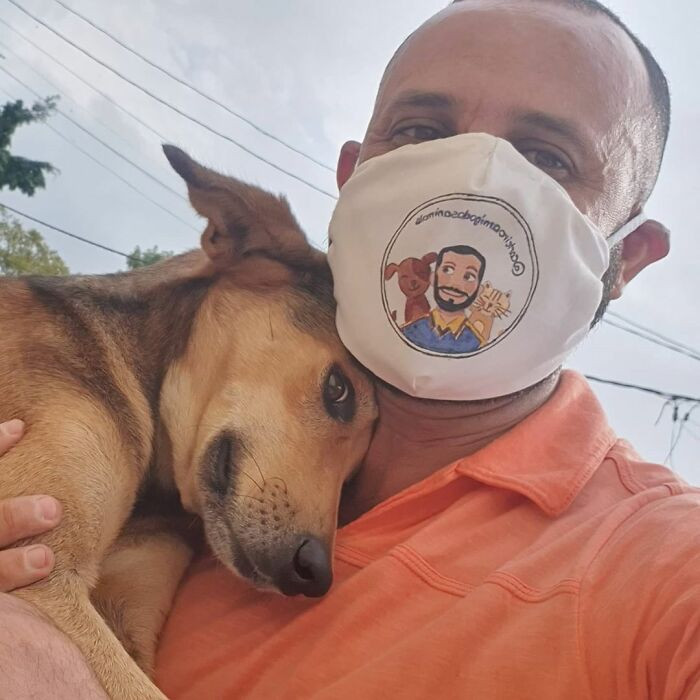
40. “Logo on the mask, love in the arms—brand consistency at its sweetest.”
 carteiroamigodosanimais
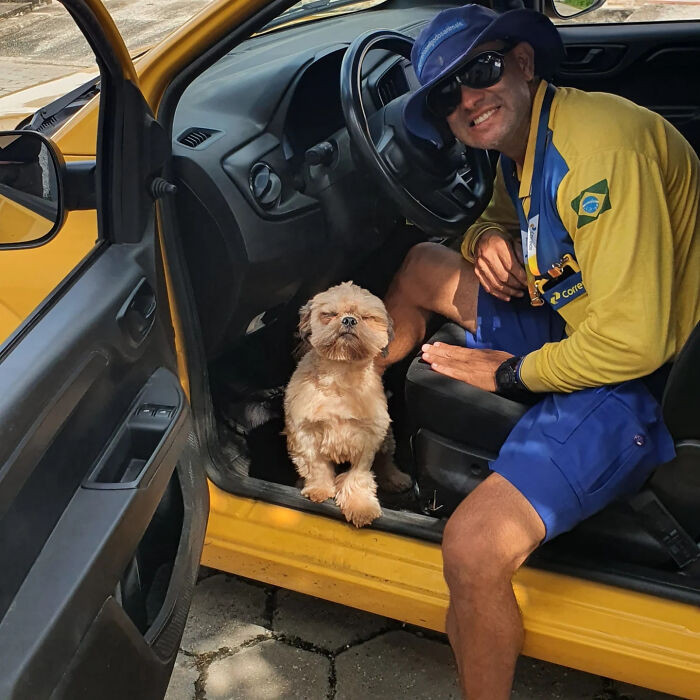
41. “When you bring your coworker along for emotional support and cuteness.”
 carteiroamigodosanimais
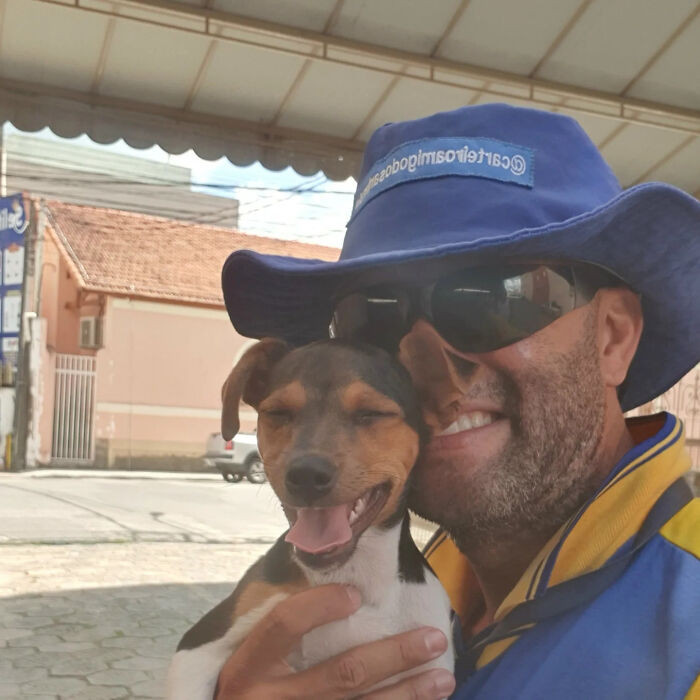
42. “Both clearly on their lunch break from spreading joy.”
 carteiroamigodosanimais
These spaces provide an excellent opportunity for dogs to socialize while reducing the risk of negative encounters, like territorial barking at mail carriers.
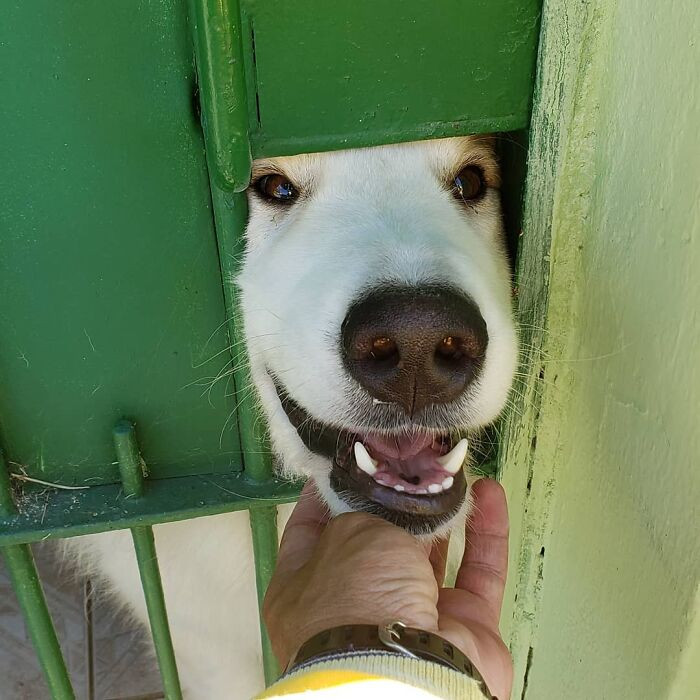
43. “When you can’t open the gate, but you can still open your heart.”
 carteiroamigodosanimais
44. “One’s delivering mail, the other’s delivering pure chill.”
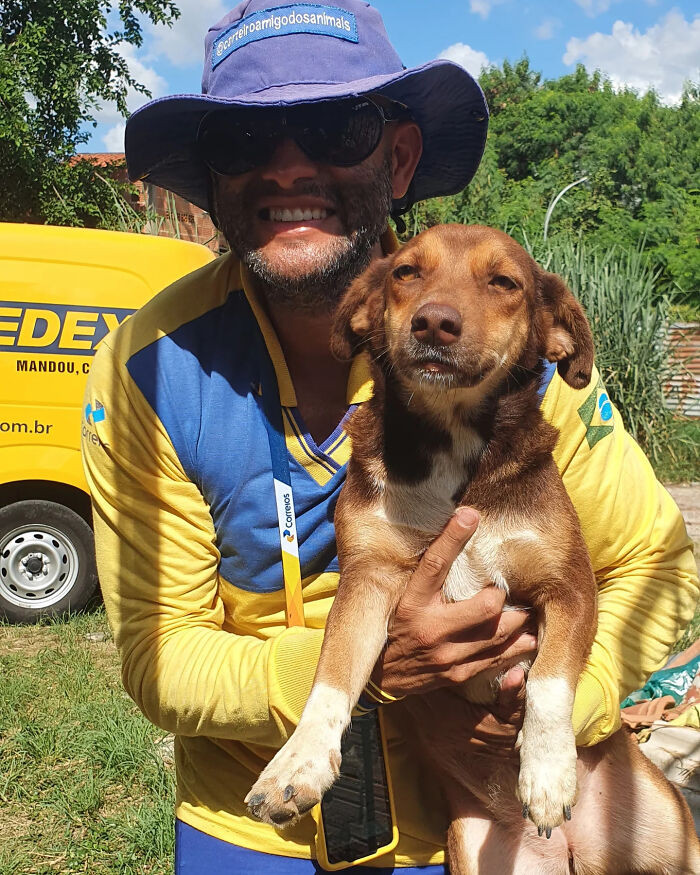 carteiroamigodosanimais
45. Proof that happiness really is contagious.
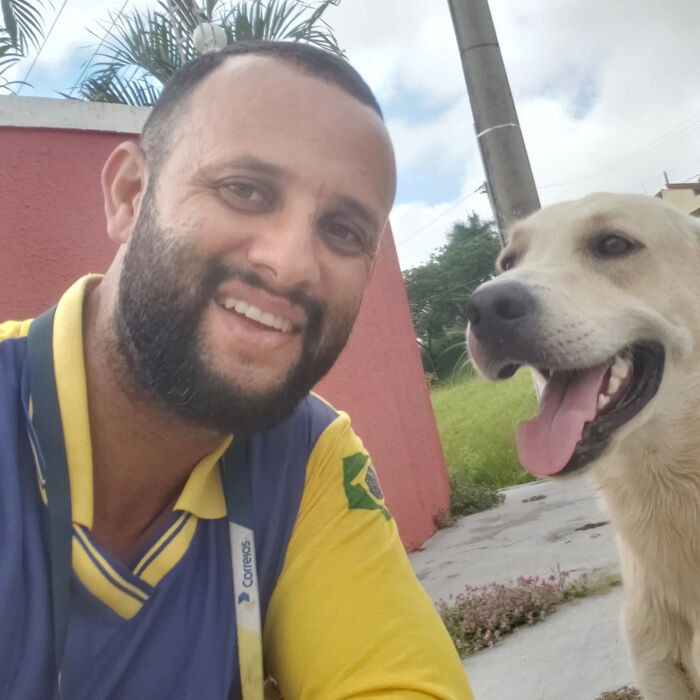 carteiroamigodosanimais
46. “Looks like someone just got upgraded to express affection.”
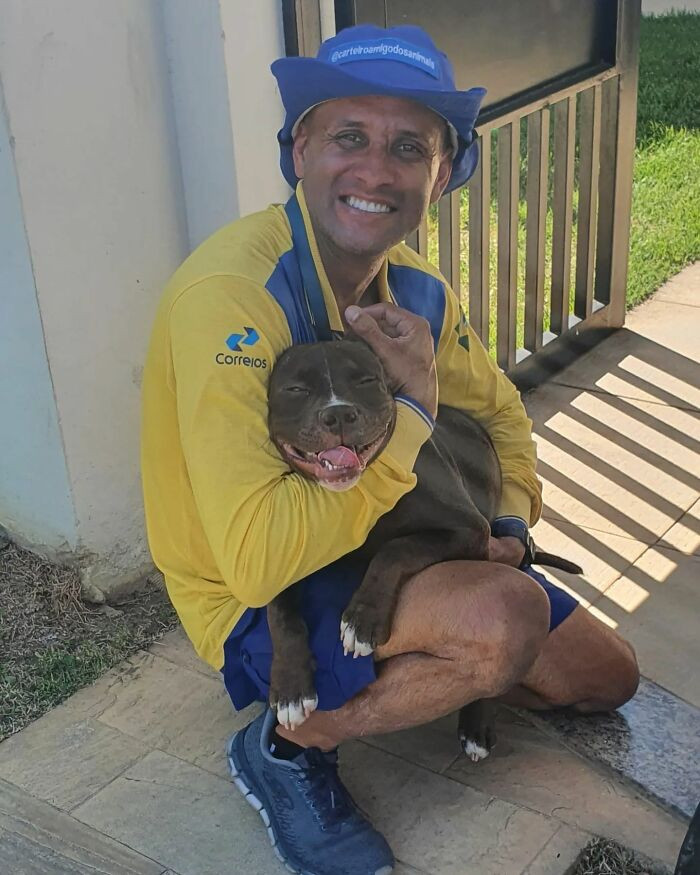 carteiroamigodosanimais
47. “This is what ‘special delivery’ looks like in pure joy form.”
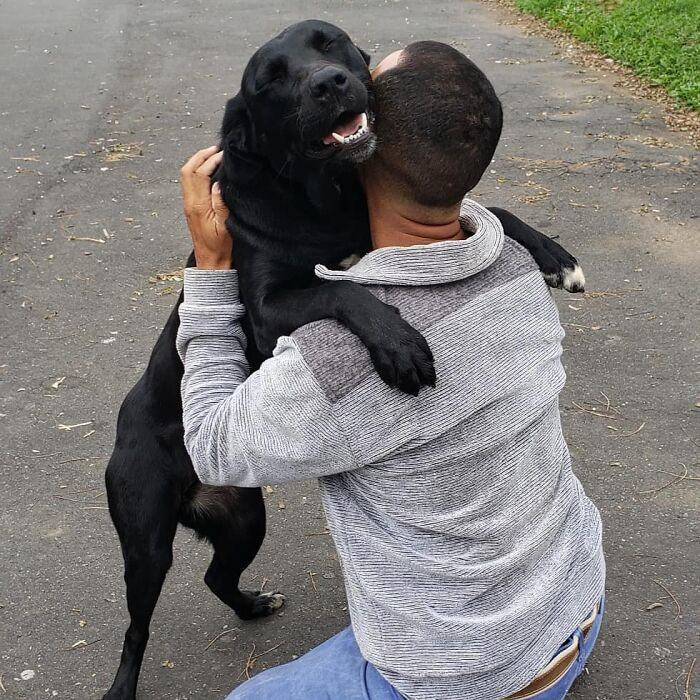 carteiroamigodosanimais
48. “Two different eye colors, one shared mission: brighten everyone’s day.”
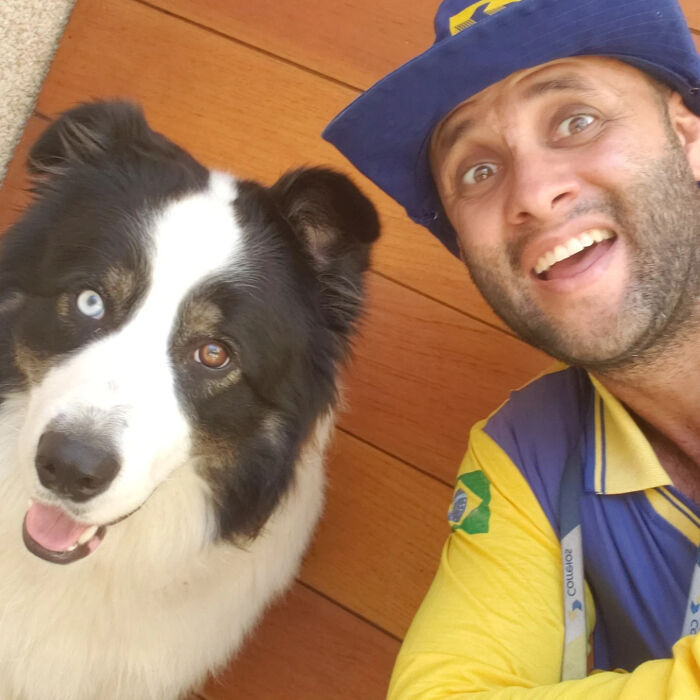 carteiroamigodosanimais
49. Two tough guys, one soft spot for friendship.
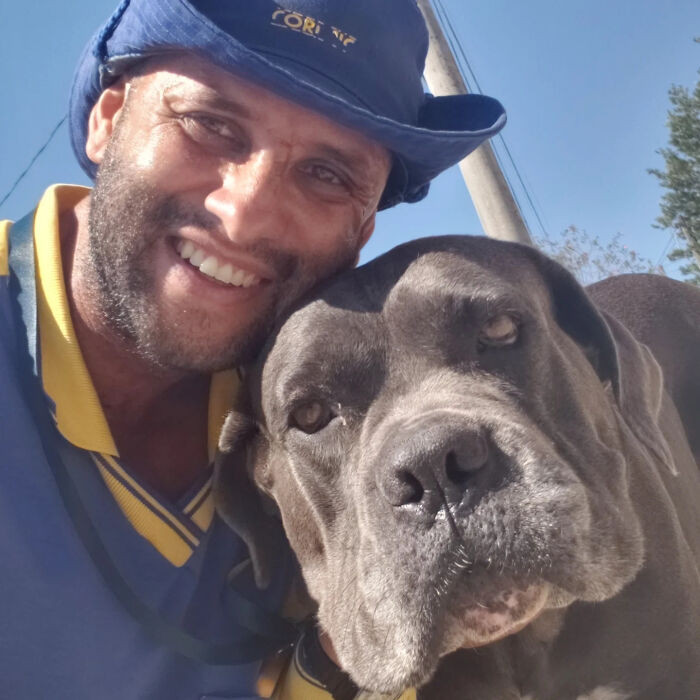 carteiroamigodosanimais
50. “Proof that trust is the best thing you can deliver.”
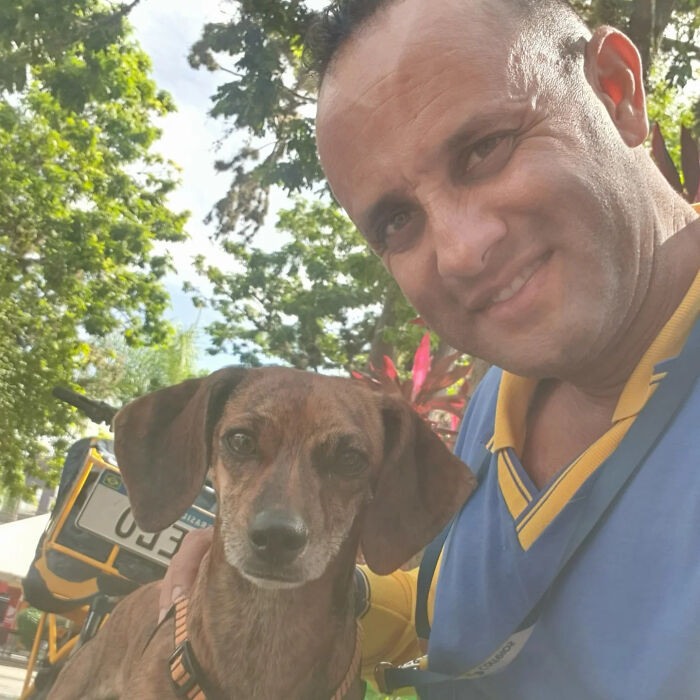 carteiroamigodosanimais
In a world where it’s easier to scroll past than stop and care, Angelo reminds us that small acts still matter. His friendship with the dogs of Guaratinguetá has become more than a feel-good story—it’s proof that kindness can bridge even the oldest divides. The next time you see a barking dog, maybe think of the mailman who paused, smiled, and reached out anyway. Because sometimes, a little patience can turn fear into trust, and a job into joy.
Share this story with someone who could use a reminder that kindness always delivers.
The heartwarming tale of Angelo Cristiano Da Silva Antunes, the mailman in Guaratinguetá, illustrates the profound impact of building connections between humans and dogs within a community. As he transforms his daily route into a dog-love tour, Antunes not only enriches the lives of the animals he encounters but also fosters a sense of unity among residents. This simple yet powerful interaction demonstrates how nurturing these bonds can lead to a more harmonious neighborhood. By embracing such intentional socialization, communities can create spaces where both dogs and their human companions flourish, enhancing emotional well-being on both sides.
He didn’t change careers, he just changed what a mail route is supposed to look like.
Angelo’s dog-love route is adorable, but see how a UPS driver’s heartwarming dog photoshoots started on his deliveries.
