
Dogs And Cats Are Evolving To Look More Alike — And The Reason Is Surprisingly Human
A new study reveals a strange twist in the tale of these beloved pets.

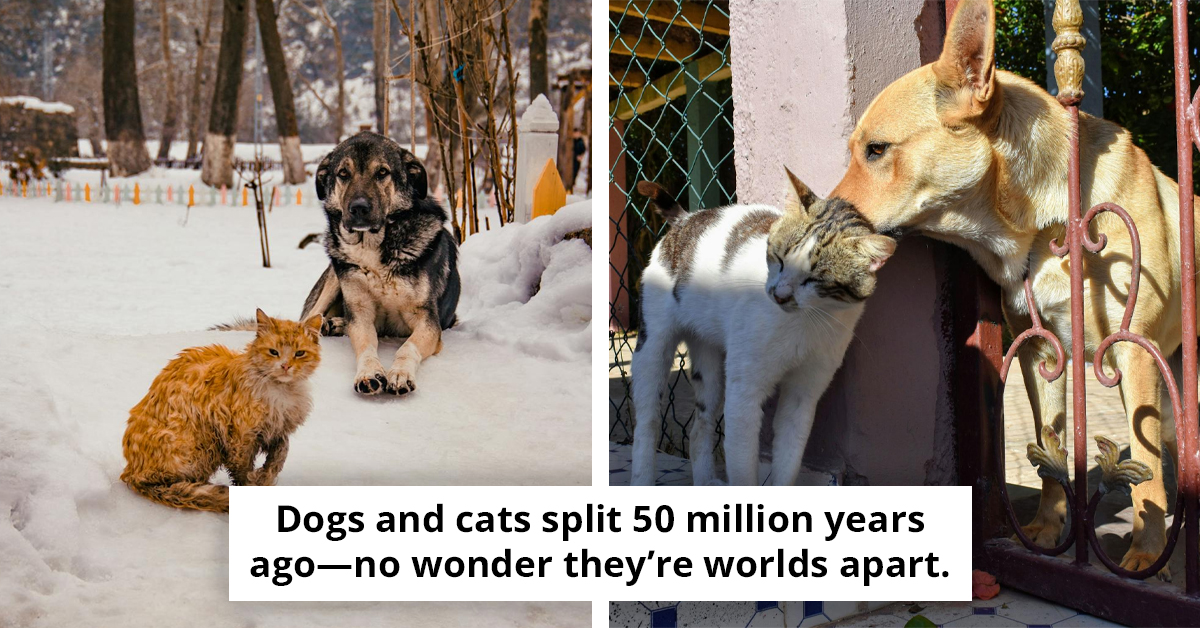
Breeders have been turning the classic rivalry between cats and dogs into something a lot more confusing, and it all starts with the same “cute” checklist. Round heads, big eyes, short snouts, that unmistakable baby-face look. Across species, the results are getting weirdly similar.
It’s not happening by accident. Pet owners have been gravitating toward flattened faces and expressive eyes, and breeders keep selecting for those traits generation after generation. Even though dogs and cats split evolutionarily tens of millions of years ago, the choices people reward are essentially pushing both groups toward the same infant-like features.
And once you notice it, you cannot unsee it: a pug and a Persian cat can look like they share a family resemblance.
Cats and dogs have long been known as polar opposites
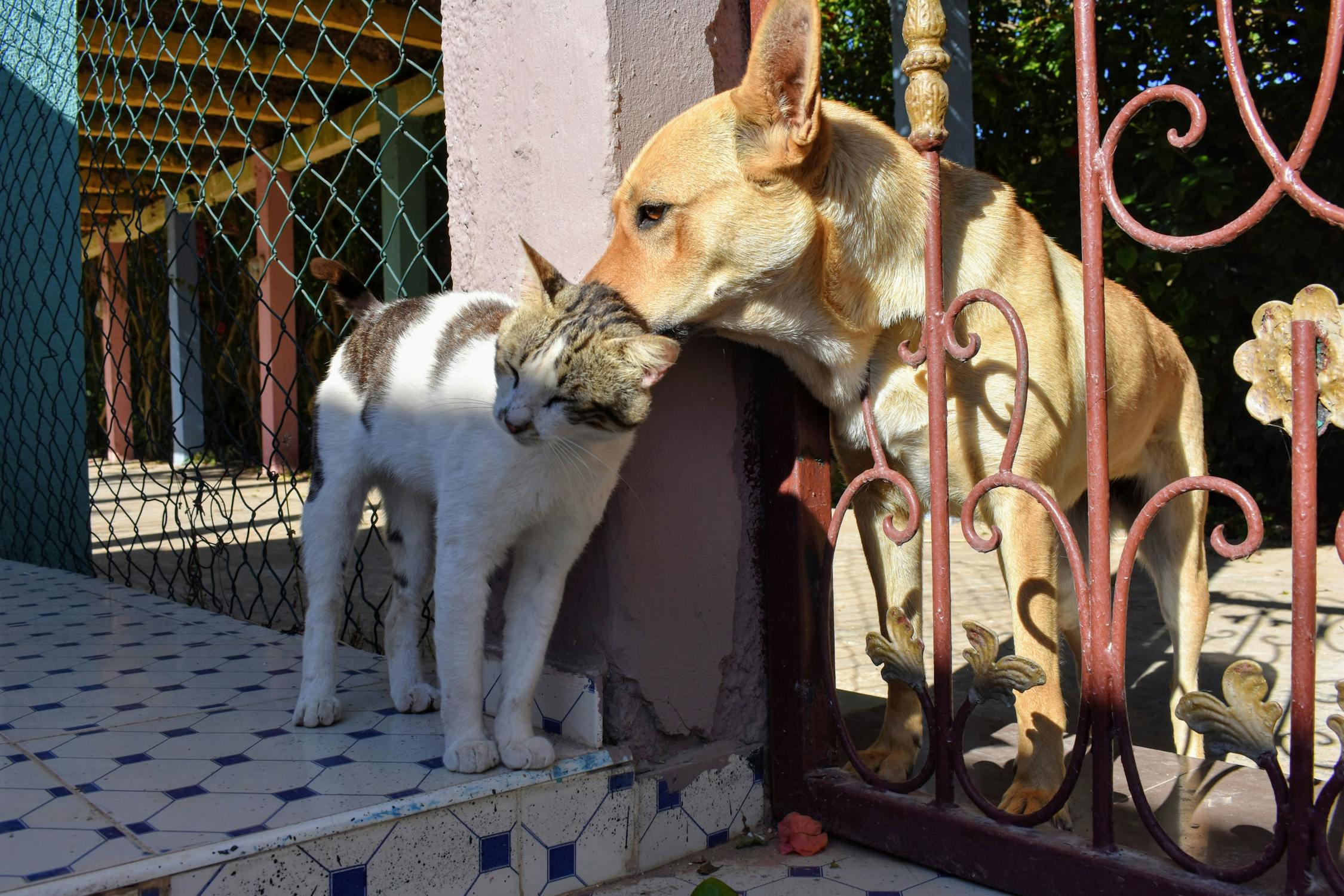 Pexels
That’s when you realize the “copycat” part is coming straight from what people keep buying, the flat-faced, wide-eyed look on everything from Pugs and Pekingese to Persians.
A Case of 'Copycat' Evolution?
This trend seems particularly evident in certain breeds known for their flattened faces. Over the years, pet owners have gravitated toward animals with round heads, short snouts, and large, expressive eyes — features often associated with infant-like cuteness.
“The skulls of a Pug or a Pekingese and a Persian cat are more similar to each other than either is to their ancestors, the wolf and the North African wildcat,” Losos noted.
“I don’t think anyone would have expected that.”
He went on to explain just how profound this change is when placed in an evolutionary context.
“The dog and cat families diverged evolutionarily 50 million years ago. If you think about canids and felines in nature, they look very different,” he said.
“What’s happening now is that breeders are selecting for the same baby-like features in dogs and cats: big eyes, small noses, and round heads. Who would have thought that you could substantially erase differences accumulated over 50 million years just by selecting for those characteristics?”
The phenomenon of dogs and cats beginning to look more alike signals a significant shift in pet breeding driven by human preferences. As pet owners increasingly seek specific traits in their animals, they inadvertently foster similarities between these distinct species, including shared characteristics like size and coat texture. This trend may also reflect the realities of urban living, where smaller and less aggressive pets are often more practical and desirable. Understanding these evolving aesthetics is crucial for pet owners, as it can guide them in making choices that prioritize both visual appeal and the well-being of the animals.
The moment breeders select for those round heads and tiny noses, the differences that used to scream “wolf versus wildcat” start getting sanded down.
The Power of Human Preference
The study highlights how modern pet breeding is increasingly influenced by emotional appeal. The traits people find cute or comforting are being selected and reinforced over generations, often at the expense of more natural or functional traits.
This trend isn't limited to appearance. As pets become more integrated into family life, often treated more like children than animals, their temperaments, behavior, and even health profiles are being reshaped to better fit human environments.
What began as companionship has evolved into something more curated, almost designed. From teacup breeds to snub-nosed cats, the animals we bring into our homes are beginning to mirror not just our tastes but also our emotional ideals.
This also sounds like owners using ChatGPT to imagine their cats and dogs as humans.
A new study reveals a strange twist in the tale of our beloved pets
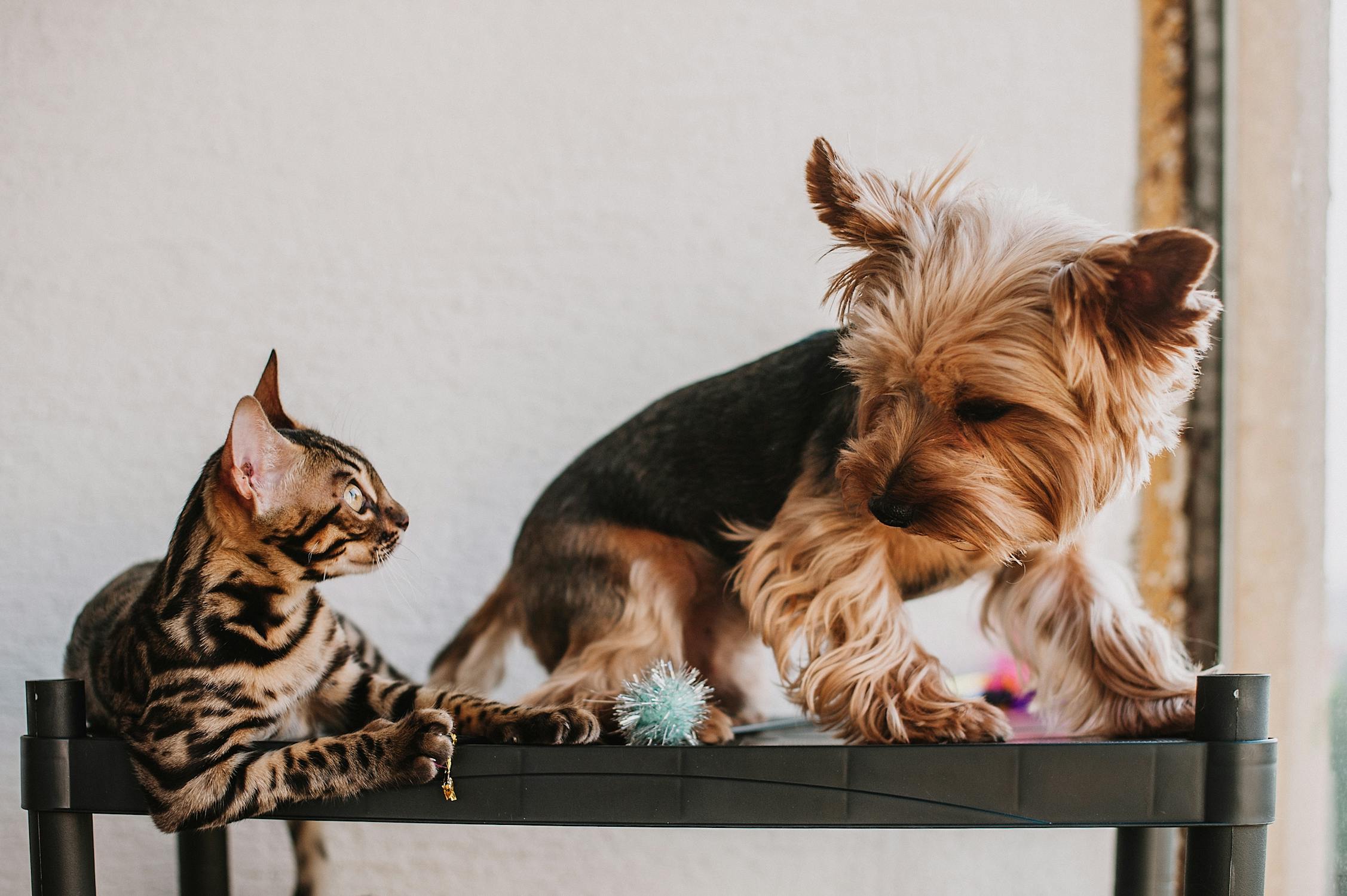 Pexels
Then urban life adds another layer, because smaller, less aggressive-looking pets are more practical, and people keep reinforcing the same appearance that fits the vibe.
What It Means for the Future of Pets
This convergence in appearance raises important questions about the long-term implications of breeding practices. While the results may be cute, they can also come with complications. Brachycephalic (flat-faced) animals, for instance, are prone to breathing issues, eye problems, and other health concerns.
As Drake and Losos continue to explore the consequences of these findings, their work serves as a reminder of the unexpected power humans hold in shaping the natural world — sometimes in subtle, subconscious ways.
By the time you’re comparing skull shapes and noticing the shared “baby-like” features, it’s clear this isn’t just aesthetics, it’s a human-driven trend that keeps snowballing.
The article reveals a fascinating phenomenon: as dogs and cats evolve to resemble each other, the implications extend beyond mere aesthetics. It highlights the importance of understanding breed characteristics and their influence on behavior. Responsible breeding practices that prioritize temperament over mere looks are essential in this evolving landscape. Pet owners are encouraged to adopt animals that fit their lifestyle instead of making impulse decisions based solely on appearance.
Furthermore, the article underscores the necessity of educating potential pet owners about the behavioral traits associated with different breeds. This knowledge can play a critical role in preventing future behavioral issues and ensuring that both pets and their human companions can coexist in harmony.
This evolving similarity between dogs and cats highlights a significant interaction between human preferences and animal development.
The family resemblance between cats and dogs is getting so strong it feels like humans accidentally wrote the same design brief for both.
Ready for more, see how scientists say modern people are reshaping dog evolution.
